

What does water damage look like in a home? Use this guide to spot water damage after a leak or flood to determine if you need to take action.

Foundation cracks signal structural damage in your home when they appear horizontal, allow water entry, or grow larger over time.
Typical costs range from $250 to $20,000 for foundation repair, $150 to $8,000 for roof issues, and $1,350 to $6,250 for water damage repairs.
Sticking doors and windows in your home indicate shifting foundations or wall cracks that need prompt attention before problems worsen.
Hiring a local structural engineering professional provides clear answers through full assessments and expert recommendations, helping you protect your investment confidently.
Your home is your refuge and your biggest investment, so keeping it in good shape is a high priority. Some problems, however, indicate that more than regular maintenance might be needed in order to keep your home structurally sound. Learn to recognize the signs of structural damage that indicate you may have a serious issue you need to address.
Recognizing early warning signs is important, but figuring out the right fix isn't always simple. Delaying professional help or attempting complex DIY repairs can lead to further damage and increased costs. With our network of local pros, you can hire a skilled professional to assess the issue and recommend the best solution.
Any damage to your home’s structure can lead to safety risks. Problems with the foundation, roof, floors, or walls can affect the stability of your home, leading to more extensive damage.
Structural damage is also expensive to repair, especially if problems compound. Lastly, structural damage can affect your home’s value, making it more difficult to sell, as well as making it harder to insure.
Some warning signs of structural damage in your home include curving interior walls, horizontal cracks in the foundation, and sagging floors or roofs. Calling in a structural engineer to take a look as soon as you notice these signs can save you from a bigger problem later on.


Knowing what to look for when it comes to structural damage can help you save on the cost of expensive repairs and the headache that goes along with them. Catching structural damage early is always the best bet—problems will only get worse, more dangerous, and more expensive to fix as time goes on.
Your home’s foundation is a critical component of the building’s stability, and foundation issues can often lead to large, costly repairs. Foundation cracks are one of the most common signs of structural damage, but not all cracks indicate serious problems or are a sign that your house will collapse.
As a house settles, it’s not unusual for foundations to develop small cracks, but larger cracks, horizontal cracks, or cracks that allow water to enter the foundation should all be taken seriously. A home inspection from a structural engineer can help you determine whether a foundation crack indicates a problem that needs to be fixed.
Visible cracks in your drywall can be a red flag that something is structurally amiss. Small hairline cracks are often nothing to worry about, but larger cracks, cracks that are growing in size, and cracks that spread from ceilings to walls or vice versa can signal that the pressure being exerted in that area has changed.
A cracked window is not always a sign of structural damage, as window glass is fragile and can crack for any number of reasons, like impact damage or extreme temperature changes. In some cases, though, a cracked window may be a sign that you should check if your home has structural issues that need to be addressed. Investigate further if:
The crack is in a basement window
The crack runs horizontally across the window
Replacement windows crack in the same way the original window did

Issues with windows and doors, particularly sticking when you open and close them, can be an indication that something is structurally amiss in your home. Windows and doors often stick due to humidity, but if a previously functioning window or door is suddenly difficult to open or close, it’s worth following up on, as it may indicate cracks in the wall or uneven floors.
Your home’s floors should feel solid and supportive as you walk across them. Floors that feel spongy or bouncy can be a red flag that something is wrong underneath them. A bouncy or squeaky floor may indicate joist problems, damaged subflooring, or foundation issues. Any changes to how your flooring feels should be looked into in case they’re the result of structural damage.
Formerly level floors that are sloping can be a sign of a dramatic foundation shift or damaged joists or subfloor. Floors that are no longer level should be investigated to see if the issue is normal house settling, improperly installed flooring, or something more serious.
A leaky roof can not only cause serious water damage to your home, but it may be an indication of a larger structural problem. Roofs can leak for a number of reasons, including shifting of your home’s frame, damage from weather, or lack of maintenance. Always look into roof leaks as soon as you’re aware of them in order to protect your home from further damage.
Crumbling concrete often occurs due to water intrusion, so if you notice your foundation is crumbling in spots, it may be a clear sign that you have a water problem. In addition to crumbling concrete, you may also notice signs of water damage in your basement from water coming through the foundation. You may be able to remedy the issue by sealing or re-sealing the foundation, but any problems that affect your foundation involving water should be taken seriously.
Chimneys can also show signs of structural damage if you know what to look for. Cracks in the chimney, or a chimney that no longer sits level, can be a clear sign that your foundation is shifting and pressure is being placed on the chimney, causing damage.
Suddenly finding flaws in your paint can let you know that something is happening in or behind your walls. Changes to paint can be caused by water problems, such as a plumbing leak behind the wall, moisture intrusion from a roof leak, or termite activity that creates moisture within the nest. All of these issues can cause serious and costly damage to your home, so always look for the source of paint problems.
If you notice any of the above signs of structural damage, you want to hire a structural engineer to investigate the problem and determine whether or not your issue needs to be fixed. The cost of a structural engineer is well worth it, as structural damage can be extremely serious and expensive to fix, and it’s always better to remedy a problem as early as possible before it has a chance to get worse.
A local structural engineer can assess the extent of the problem and make recommendations about the best way to proceed in order to protect your investment and keep your home safe for everyone.
Repairing structural damage is a job best handled by professionals. Major structural repairs require equipment and expertise that the average homeowner just doesn’t have. There may also be a legal component. Some kinds of repairs require a licensed professional to pull permits, do the work, and meet local building codes.
Preventing structural damage requires regular proactive maintenance and staying aware of any changes to your home. Some ways to prevent structural damage include:
Have an annual roof inspection to check for damage.
Monitor your basement and crawl space for cracks or signs of water damage.
Inspect your foundation once a year to identify potential problems.
Repair any water leaks or plumbing problems as soon as you notice them.
The cost of repairing structural damage depends on the type of damage and how extensive it is. The cost of foundation repair can range from as little as $250 to fix small cracks up to $20,000 to lift the foundation. Repairing your roof can cost between $150 and $8,000 on average. The average cost of repairing water damage ranges from $1,350 and $6,250, depending on the extent of the damage and which materials need to be replaced.
This company does it right. Firstly, I want to say that Landan was a joy to work with. He was so kind, transparent, and had everything under control. His entire team showed up ready to work and they were all very respectful of the fact that we were in an office space. A little backstory – we...
 Krumlauf Floors
Professional Team, smooth to communication chain and schedule flexibility. Follows proper construction procedure and completes task on time.
 Pegasus Concrete
I cannot recommend Inspired Design Contracting highly enough! From start to finish, working with Jim Venetucci was an absolute pleasure. His vast knowledge and keen understanding of design were evident in every conversation. What truly set Jim apart was his incredible patience and genuine...
 Inspired Design & Contracting
We have bought and sold numerous times over the past 50 years. Sherman Hall and Top Line are top notch. Thorough and detailed, he explains every possibility, probability, and eventuality. High class and pleasant. The best.
 Top Line Home Inspections, LLC
Excellent experience in mounting our 77 inch TV with in wall cable management. Service was efficient and would highly recommend!
 Tether House
Storms Mobile Welding was great to work with. They were prompt, professional and did an overall excellent job on the project. I highly recommend.
The techs on my project, Shawn and Cliff, were great. They were prompt, courteous, and efficient. I am very happy with the results and would definitely contact Mr. Electric for any future electrical projects.
 Mr. Electric of Columbus
Excellent choices and quality of materials. Workmen were very efficient and took their work very seriously. Pride of workmanship and cleaned up beautifully at end of job. Would recommend this company highly.
 Window Depot USA of Central Ohio
The guys at PaveWay are top notch. From the estimate to the job being completed,all was done in a timely and professional manner. I myself was a DOT Engineer Inspector(know what to look for) and got to talking with Cameron and he himself was a Contract inspector for a few years,same job as...
 All Star Paving and Sealing
Car interior was immaculate, brand new. You could eat off the engine it was so clean. Truly showroom quality. Clint shows you the water from the interior cleaning, and my daughter would have gagged had she known. Now, a father's daughter loves the car even more, thanks to Clint.
 Auto Detail Doctor
From average costs to expert advice, get all the answers you need to get your job done.
What does water damage look like in a home? Use this guide to spot water damage after a leak or flood to determine if you need to take action.

A home doesn’t collapse unexpectedly. Learn the warning signs that a house will collapse, so you can protect your family and your home.
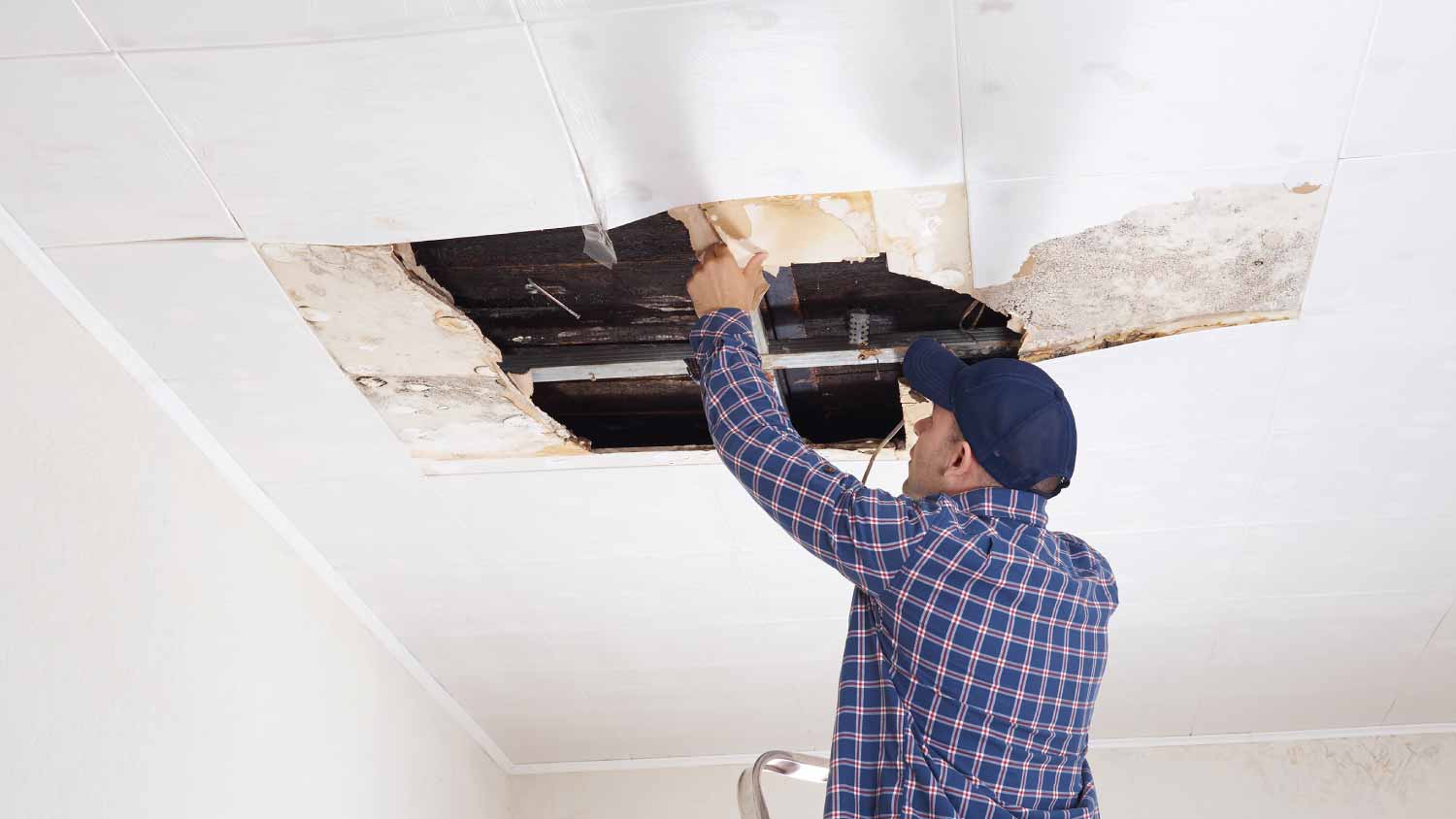
Learn the top 8 signs of water damage in drywall so you can identify water damage early, prevent costly repairs, and protect your home from further issues.

Identify potentially serious problems with your foundation with an inspection from a structural engineer.
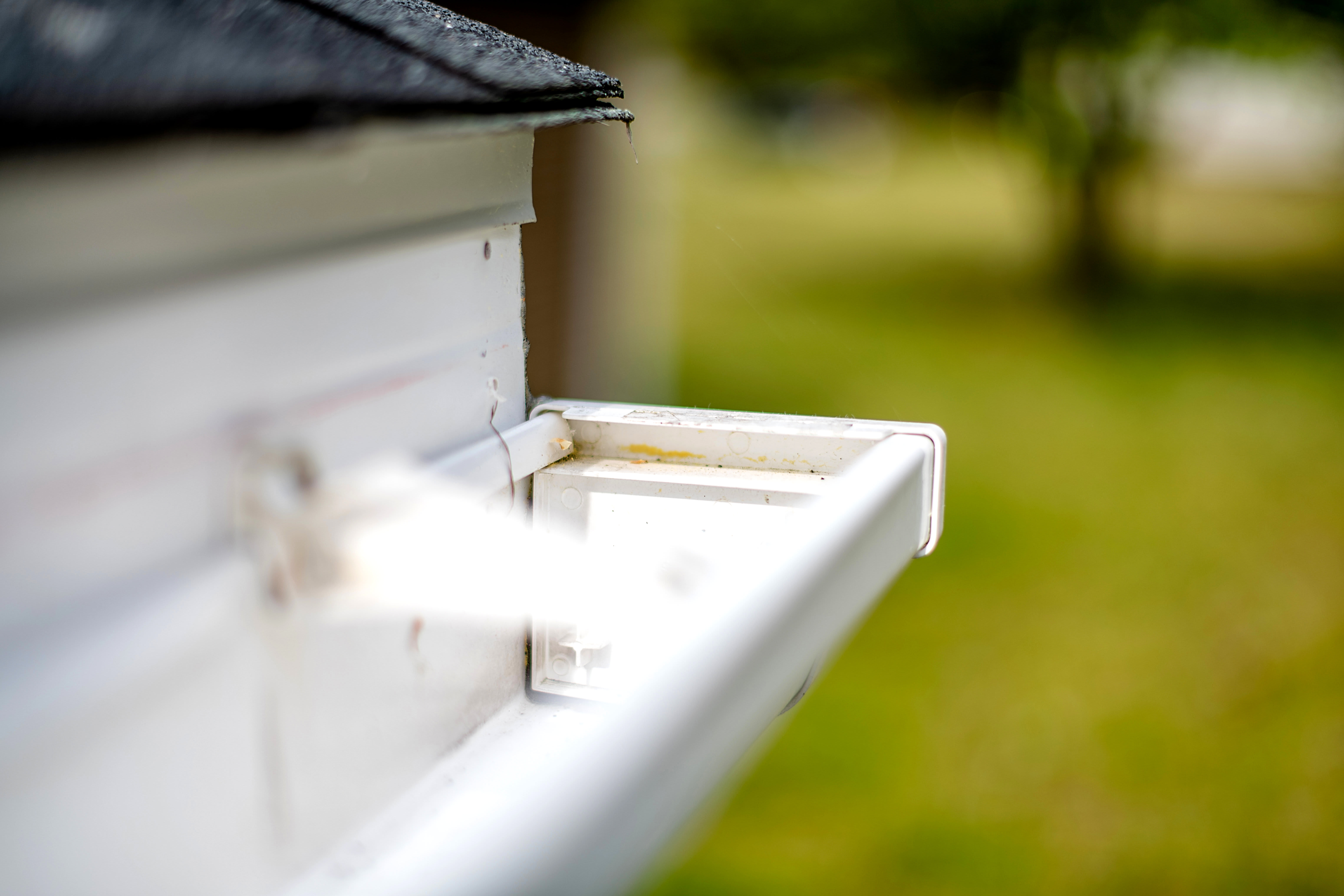
Signs of gutter damage include drooping gutters, stained siding, and wet foundations. Learn how to spot gutter damage and protect your home from costly repairs.
It’s never fun to find out that you have roof storm damage. If bad weather has gotten the best of your roof, explore this guide to see what you should do next.