
Top-rated excavation pros.

Get matched with top excavation pros in Zwolle, LA

Enter your zip and get matched with up to 5 pros

Need a pro for your excavation project in Zwolle, LA?

Select your specific project to find the pro for you.

Find Excavation pros in Zwolle

4G land development
New to Angi
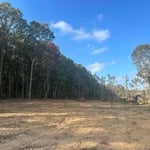
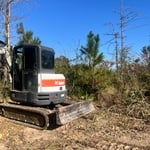
Building Site - Preparation and ClearingExcavation - Major Grading or Resloping

Serving Zwolle, LA and surrounding areas

Approved

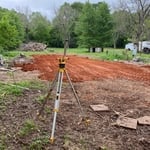
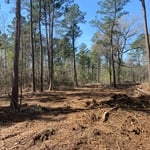
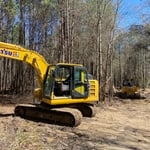
Hello, I’m Hunter Guillory, and I lead a dedicated team committed to providing high-quality land clearing and dirt work services.\n\nWhen you choose us, you're not just hiring equipment; you're partnering with an operator who values hard work, expertise, and your complete satisfaction.\n\nWhy Hire Us?\n\n8 Years of Dirt Work Expertise: I've spent eight years mastering the ins and outs of site preparation, excavation, and professional land clearing. This depth of experience ensures your project is handled efficiently, safely, and correctly from start to finish.\n\nA Commitment to Hard Work: I personally oversee every job, working diligently to clear your land exactly to your specifications and timeline. We pride ourselves on our strong work ethic and attention to detail.\n\n100% Customer Satisfaction: My top priority is ensuring every single customer is satisfied with the final result. We communicate clearly throughout the process and don't consider the job complete until you are happy.

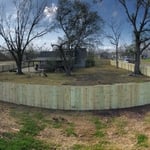
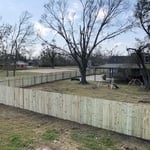
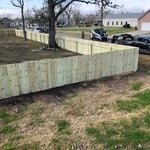
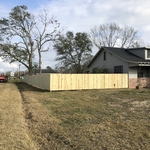
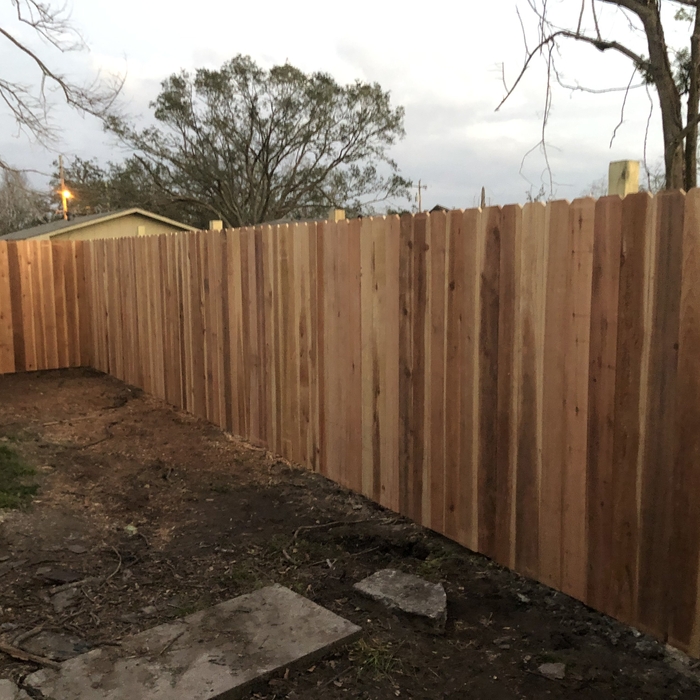
Goat yard
Showing 1-10 of 45
Excavating questions, answered by experts

Yes. A metal detector is one of the quickest and easiest ways to find your septic tank. However, metal detectors can be too expensive (costing upward of $300 in some cases), and not everyone has a metal detector just lying around. If that’s the case for you, you can also take a long metal rod and poke it into the ground at regular intervals until you hit something—likely your septic tank lid.

Depth is not a qualifying component of evacuation. Any human-made cut, cavity, or depression in the earth’s surface is considered excavation. The hole from excavation can be any size, shape, or depth. Excavation is used to create foundations, reservoirs, drainage ditches, and roads. Long, narrow excavations are called trenches and are often used for underground utilities.

No, a ditch isn’t a trench. A ditch is an open, relatively shallow channel that’s carved out of the ground and used for drainage purposes. In contrast, a trench is a deeper excavation that’s entirely underground. Trenches have many uses, including gas lines, sewage systems, and electrical wiring. Unlike trenches, ditches don’t get filled back in with dirt after they’re dug.

No, you typically cannot use metal detectors to find your sewer line. Most sewer lines are made of non-metallic materials such as PVC, clay, or cast iron, which are not detectable by standard metal detectors. Metal detectors are designed to locate metallic objects, so they won't be effective for identifying the path of a non-metallic sewer line. To locate your sewer line accurately, it's best to use other methods.

The rules and regulations regarding groundwater use vary between states. To find out if you can dig a well on your property, you’ll have to consult these regulations, address any compliance requirements, and get the appropriate permits. It’s also important to check that your intended location has the right geology and water table to support a well.

The Zwolle, LA homeowners’ guide to excavation services

From average costs to expert advice, get all the answers you need to get your job done.