






Top-rated excavation pros.

Get matched with top excavation pros in Milam, TX

Enter your zip and get matched with up to 5 pros

Need a pro for your excavation project in Milam, TX?

Select your specific project to find the pro for you.

Find Excavation pros in Milam

Avatar for Dumpster Dog
Dumpster Dog
5.0(
10
)

Serving Milam, TX and surrounding areas

Approved

In business since 2023

Free estimates

Credit card accepted

"This is hands-down the best company Iâ  ve ever seen theyâ  re quick to respond. They do what they say theyâ  re going to do for the best price."

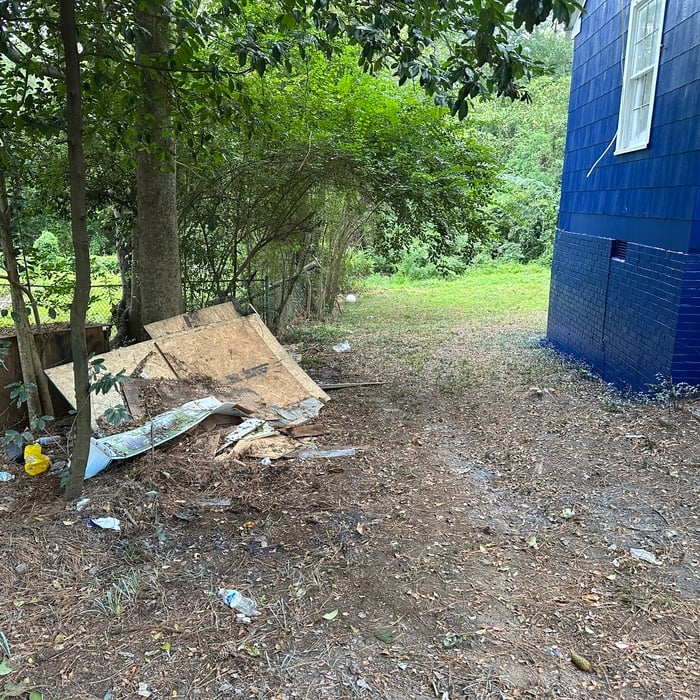
Junk Removal
Junk Removal
Junk Removal
Junk Removal
Junk Removal

+16

Response time10 hrs
36 neighbors recently requested a quote
Recommended by77%of homeowners

4G land development
New to Angi

Serving Milam, TX and surrounding areas

Approved

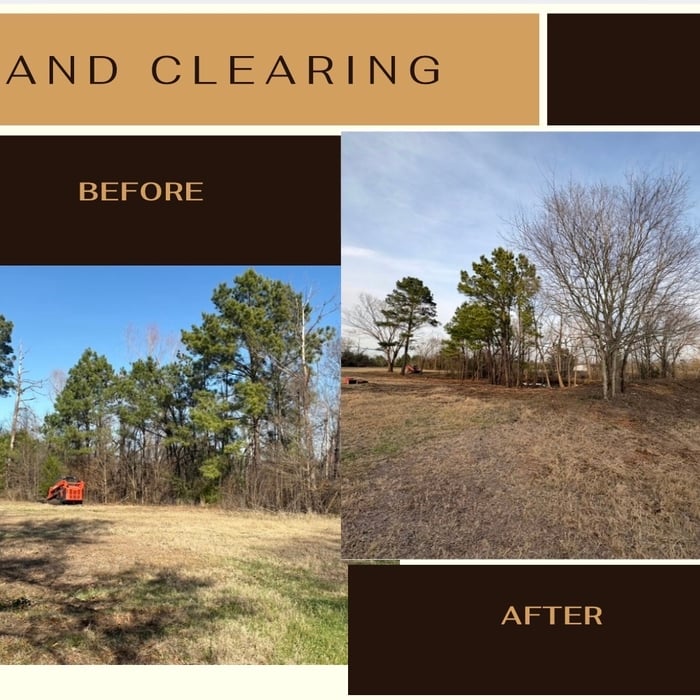
Hello, I’m Hunter Guillory, and I lead a dedicated team committed to providing high-quality land clearing and dirt work services.\n\nWhen you choose us, you're not just hiring equipment; you're partnering with an operator who values hard work, expertise, and your complete satisfaction.\n\nWhy Hire Us?\n\n8 Years of Dirt Work Expertise: I've spent eight years mastering the ins and outs of site preparation, excavation, and professional land clearing. This depth of experience ensures your project is handled efficiently, safely, and correctly from start to finish.\n\nA Commitment to Hard Work: I personally oversee every job, working diligently to clear your land exactly to your specifications and timeline. We pride ourselves on our strong work ethic and attention to detail.\n\n100% Customer Satisfaction: My top priority is ensuring every single customer is satisfied with the final result. We communicate clearly throughout the process and don't consider the job complete until you are happy.

Goat yard
4L Land Management
4.9(
7
)

Serving Milam, TX and surrounding areas

In business since 2022

Free estimates

Offers commercial services

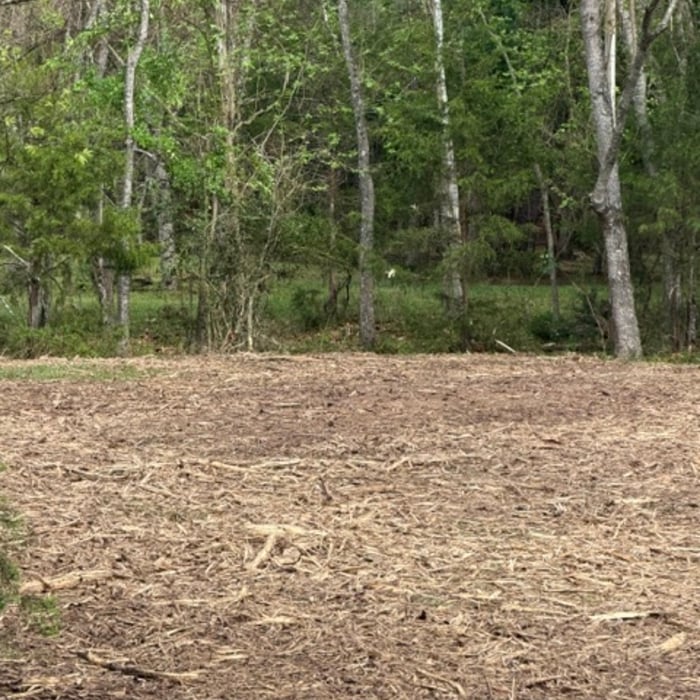
"4L Land Management transformed 1.5 acres of land we bought that had been neglected for many years. It was so thick and overgrown, that we could not walk through it. Lots of tree mulching and backhoe work were done. He carefully saved the trees that we wanted and all promptly and at a very reasonable price. Chris did an amazing job and pays attention to detail. We highly recommend him for all your mulching, heavy equipment, dirt work, etc.!"
Response time3 hrs
Response rate94%
Recommended by100%of homeowners
Showing 1-10 of 36
Excavating questions, answered by experts

Yes. A metal detector is one of the quickest and easiest ways to find your septic tank. However, metal detectors can be too expensive (costing upward of $300 in some cases), and not everyone has a metal detector just lying around. If that’s the case for you, you can also take a long metal rod and poke it into the ground at regular intervals until you hit something—likely your septic tank lid.

We recommend removing the stump, and grinding is a popular way to do it. You can also dig out small stumps or stumps that have fully decayed instead of grinding them. However, don’t try using acids or fire for killing a tree stump, which is a fire hazard and illegal in many areas.

Leaving the stump alone invites eventual problems, including attracting termites, mold, and fungi.

If you don’t wish to dig it out and convert it into a finished basement, you can still encapsulate your crawl space to protect it from damage for an average cost of $5,500. Finishing a crawl space beyond this isn’t really worthwhile, as the low ceilings mean you won’t be able to use the area as living space.

Trenches are typically 12 to 24 inches deep and 8 inches wide. However, the required depth depends on the specific project and local ordinances. For example, a French drain may need to be 18 inches deep, while a water pipe might require a depth of 24 inches and a drainage pipe 36 inches. Your city or county may have specific regulations, so it's wise to consult with an excavation professional to determine the correct depth for your project.

Septic drain lines (or leach lines) are typically buried between 18 and 36 inches underground, and should be at least 6 inches below the surface. These pipes are perforated and surrounded by filtering materials like sand or gravel. Burying the lines at this depth helps minimize odors and allows bacteria and other biological processes in the soil to effectively treat the wastewater. Burying lines too close to the surface can cause issues unless the soil is very compact and stable.

The Milam, TX homeowners’ guide to excavation services

From average costs to expert advice, get all the answers you need to get your job done.