







Top-rated excavation pros.

Get matched with top excavation pros in Tenaha, TX

Enter your zip and get matched with up to 5 pros

Need a pro for your excavation project in Tenaha, TX?

Select your specific project to find the pro for you.

Find Excavation pros in Tenaha

Avatar for Brushwacker Land Services LLC
Brushwacker Land Services LLC
5.0(
29
)

Serving Tenaha, TX and surrounding areas

Approved

In business since 2020

Free estimates

Credit card accepted

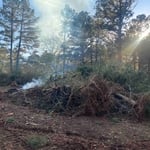
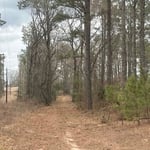
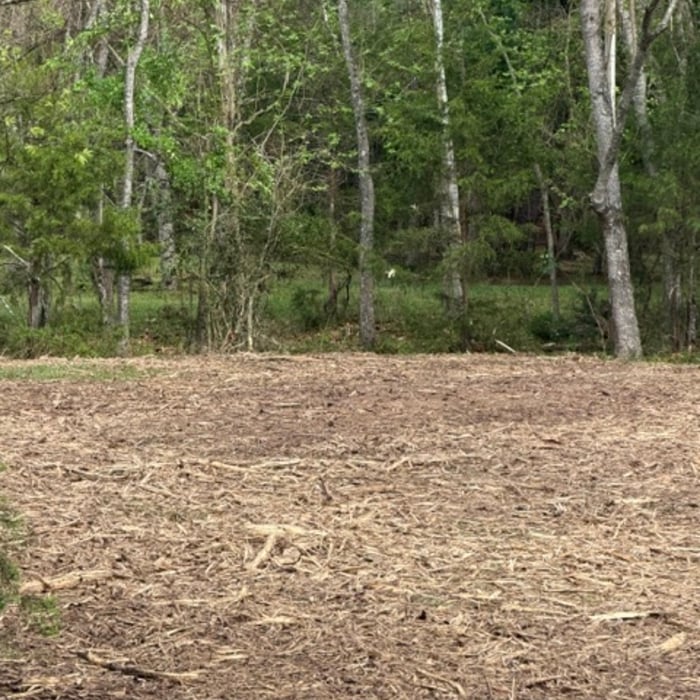
"I was asked to check on my families farm property while visiting Dallas. I drive to east Texas and saw it in disarray. I extended my stay and looked for companies to clear the property on short notice. Scott came gave me a very reasonable estimate. By the end of the week he brought his crew, equipment, and they cleared and cleaned my families property in a day. They were very knowledgeable and helpful. I would recommend them to anyone and plan on using them to maintain the property moving forward. Great job!"
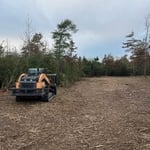
Mulching
Excavation
Ice Storm Clean Up
3 neighbors recently requested a quote
Recommended by62%of homeowners

Avatar for Parra Forestry Service LLC
Parra Forestry Service LLC
5.0(
2
)

Serving Tenaha, TX and surrounding areas

Approved

In business since 2010

Free estimates

"Parra has done work for several of my Forestry clients and we have always been very satisfied with their performance. They do very well at small projects that involve dirt work for drainage, etc."
Logo
Duck pond construction
4 neighbors recently requested a quote
...
Showing 1-10 of 63
Excavating questions, answered by experts

After you successfully remove your boulder, you have a few options for what to do to get rid of it. You can rent a dumpster if your yard has many boulders or if you’re planning a larger project. You can even save the boulder and reuse it elsewhere on your property to save on landscaping costs. A few ideas include using the boulder as a natural, abstract statue, breaking it into smaller pieces to line your garden bed, or offering it to a landscaping company that could reuse it for another project.

How deep your septic system needs to be into the ground depends on several factors. In extremely cold environments, the tank needs to rest below the maximum frost line, which can be up to six or eight feet deep. The standard burying depth for most systems is between a few inches and four feet below ground level. Depth can also depend on the slope of the landscaping and other property variables. 

Digging a bush up by the roots is the most natural DIY method for removing a bush stump. Start by identifying the shrub type and revealing its roots. Cut the shrub to its base and loosen the soil, ensuring no utility lines are nearby. Optionally, treat the base with herbicide, then dig around the roots and cut a circle around the shrub using various tools. Dig a trench, cut the base of the root ball, and finally fill the hole to prevent regrowth. This thorough process ensures complete removal without damaging surrounding areas.

There are several methods to hollow out a tree stump, and the best one depends on your tools, experience, and priorities. Common methods include using a chisel and hammer, a chainsaw, or burning.

  • Chisel and Hammer: This is often considered the easiest approach for those with limited tools or experience, though it is the most time-consuming.

  • Chainsaw: Using a chainsaw is the fastest method, but it comes with significant safety risks, especially for inexperienced users.

  • Burning: This can be an effective method, but it is not recommended unless you can first drill holes into the stump. Without holes, the stump will be difficult to light and may not burn completely through.

A power drill with at least a ⅜-inch diameter bit can make the job quicker and easier, regardless of the primary method. While you can use a chisel or chainsaw without a drill, it will require more time and effort. Always wear protective goggles and thick gloves, as splinters are an inevitable risk.

Excavation is priced in cubic yards, so you’ll need to find the volume of the area in order to calculate costs. Multiply the length, width, and proposed depth of your excavation site, then convert it into yards to get the volume. Multiply this figure by the price per cubic yard.

Most homeowners can measure by hand to get a rough estimate, even if it’s tedious. You may want to pull out a tape measure or use a string to help mark the area.

The Tenaha, TX homeowners’ guide to excavation services

From average costs to expert advice, get all the answers you need to get your job done.