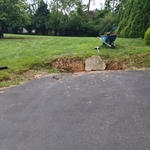
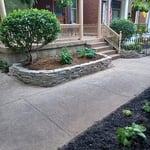
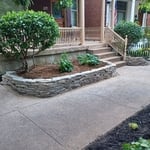
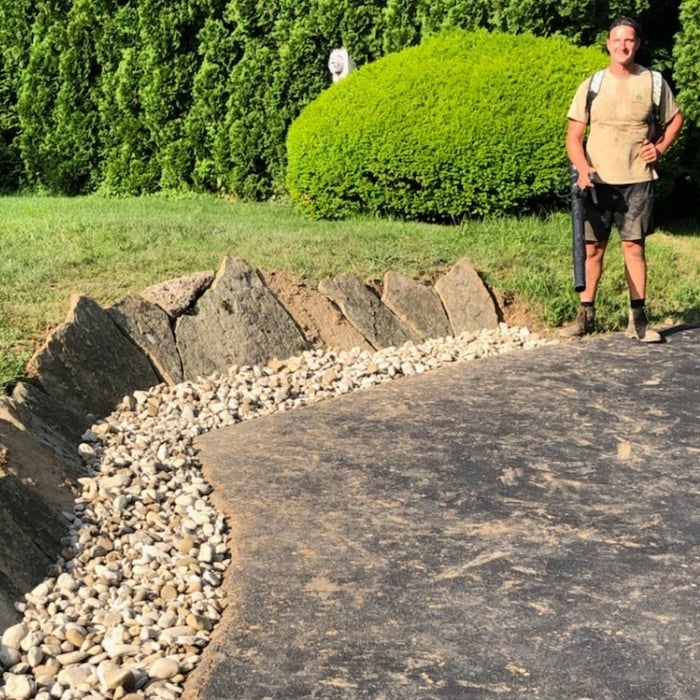
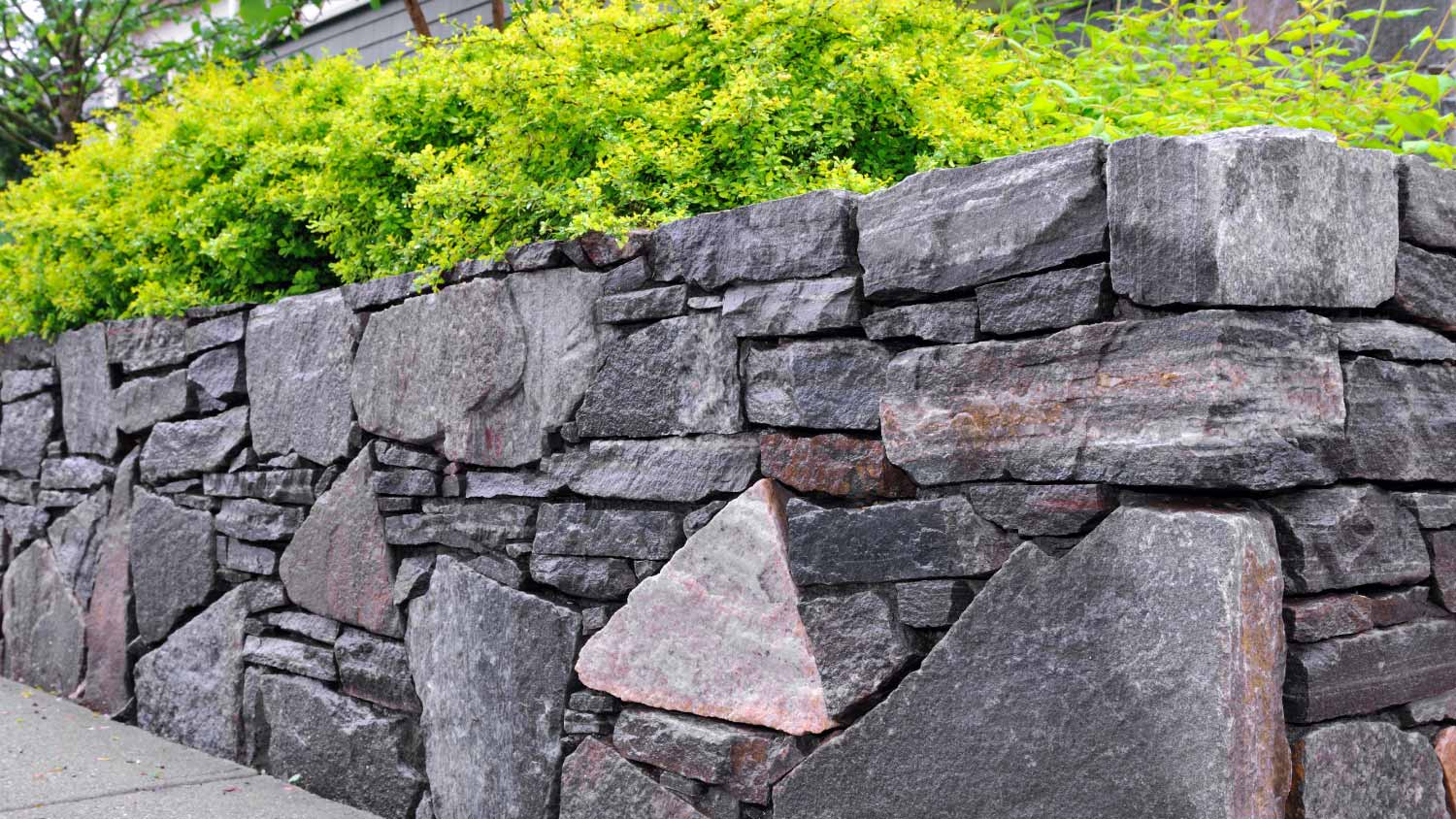
"Hernandez Masonry not only quoted a very reasonable price but they were able to get to the job quickly. I needed a large stretch of rock repaired on one side of my house and they had it finished the same day! Fantastic quality work and excellent customer service, I will absolutely use them again in future projects and would recommend them to friends and family."
"Caleb always does a great job helping us take care of our large yard. He shows up on time, works quickly, is super strong so he has no issues helping rid us of even our most difficult landscaping issues! Professional, friendly, and fair. I’d hire Kamps Complete for any job around our house."
Groundworks is the North America's leading and fastest-growing foundation repair and water management solutions provider. Groundworks is a vertically integrated company with its own manufacturing operations and a world-class software solution, allowing us to serve our customers more effectively. From the first phone call to the annual maintenance offered, our customers have peace of mind knowing we're there with one mission to repair, protect and improve their home. For state licenses visit Groundworks.com/licensing
"Wonderful! Pete explained everything he was going to do before hand. Then he completed the job and did excellent work. We would recommend Pete for your plumbing repairs."
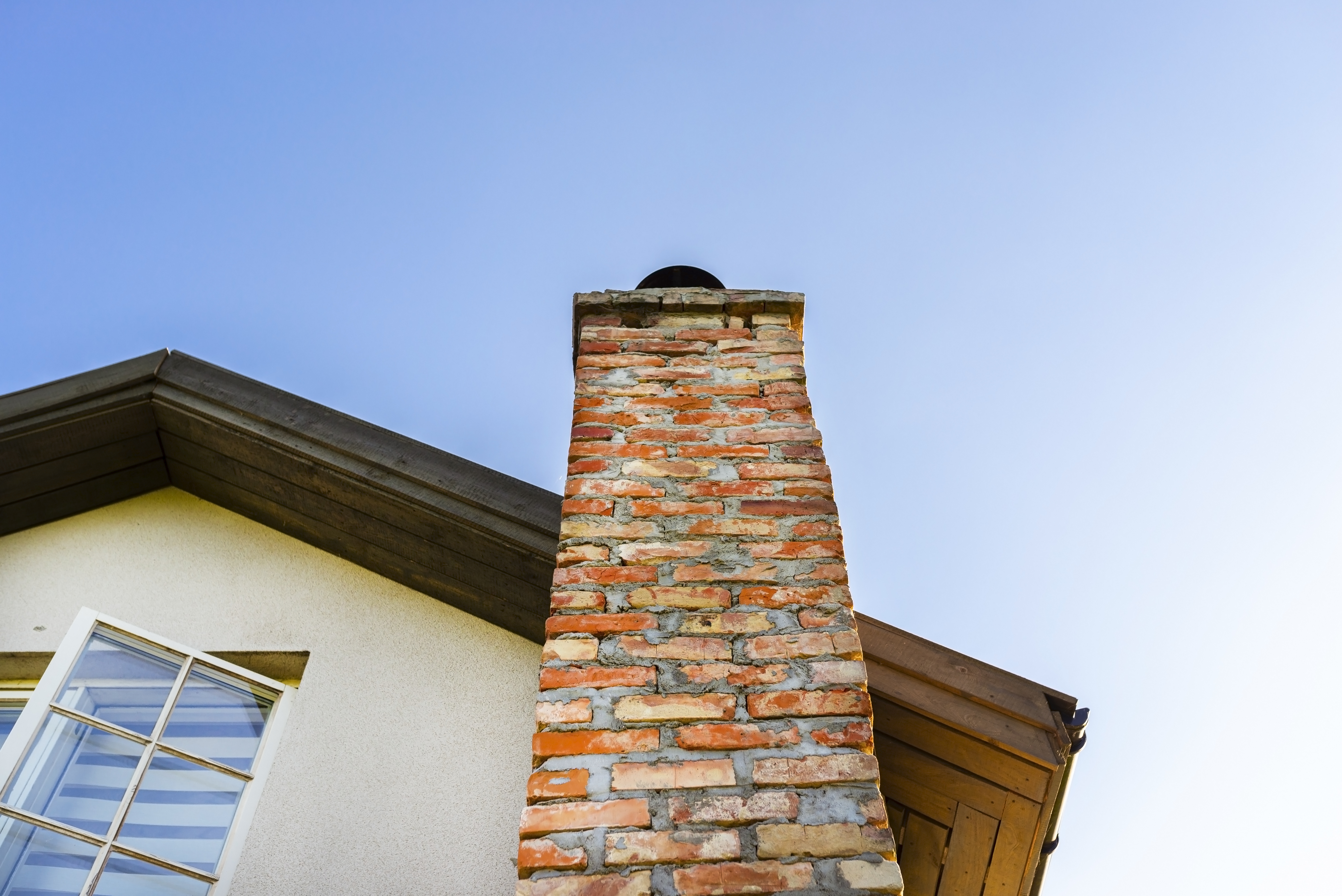
Unless you’ve worked in the masonry industry before, it is in your best interest if you hire a pro for any masonry needs. Masonry-related jobs require a high skill level and can be extremely time-consuming. If anything goes wrong, a licensed and insured masonry contractor would be able to take care of the subsequent repairs, giving you additional peace of mind.
The best color to paint a brick fireplace comes down to personal taste. However, neutral colors—like white or gray—will open the space and create a bright modern look, making them popular options. However, choosing a bold color can turn your fireplace into a feature piece that will be the talk of all family gatherings.
Clean regularly, check for cracks, and inspect the chimney annually for safety.
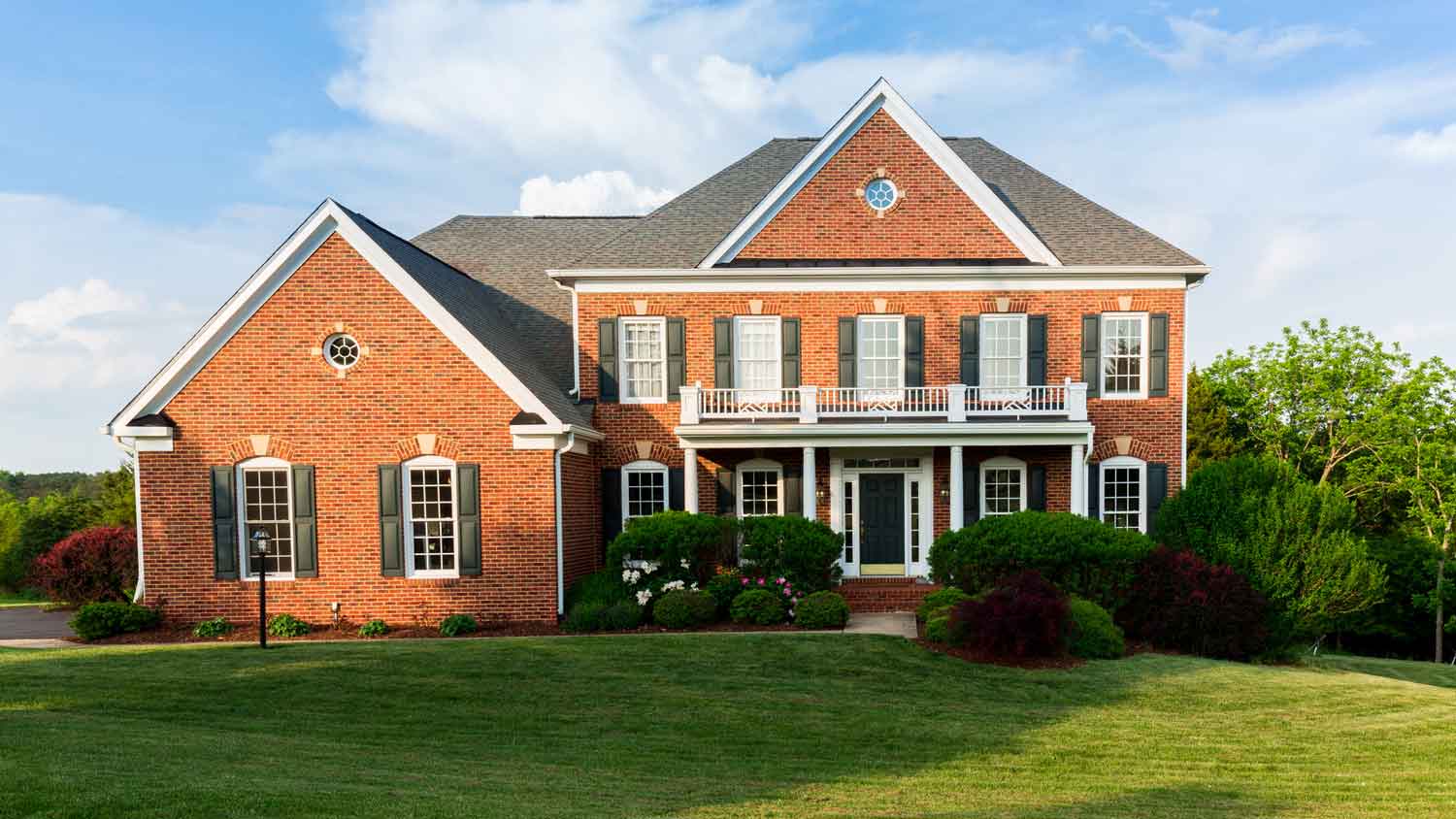
Brick can increase the value of your home depending on the type of masonry materials used. Homes generally have a higher resale value when they have brick siding, and brick is also easier to maintain (and lasts longer) than other types of siding, which can motivate buyers to make an offer.
Just keep in mind, however, that although brick can up the asking price when you sell your house, the cost to brick a house is also more expensive than other typical siding costs—so you’ll invest more in the project.
Spalling brick is not uncommon, but it does indicate a serious issue. It can be caused by water damage, an intense freeze-thaw cycle, or something else. Painted bricks can be susceptible to spalling, as the paint doesn’t allow the porous material of the brick to breathe, which can trap moisture. Spalling should always be addressed immediately before more serious structural damage occurs.
The Canyon, TX homeowners’ guide to masonry services
From average costs to expert advice, get all the answers you need to get your job done.
Door or window lintel replacement costs $400 on average, but there are ways you can save. On the other hand, complicated work will increase costs considerably.
Need to repoint brick in your home to make your home look fresh and new? Use this guide to repointing brick cost to price out your project before starting.
This guide features information on the costs to repair a brick wall, whether or not you need a brick mason to complete spalling, tuckpointing, or a full restoration.
Discover the wide variety of masonry materials for your next home upgrade project. Our guide covers the different types of materials to choose from and more.
When it comes to masonry versus concrete, it can be easy to confuse the two. Use this guide to learn about the differences in appearance, strength, and more.