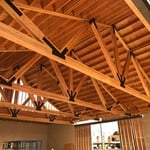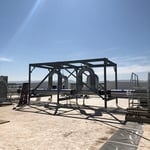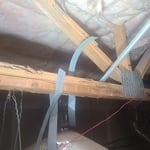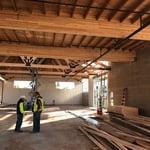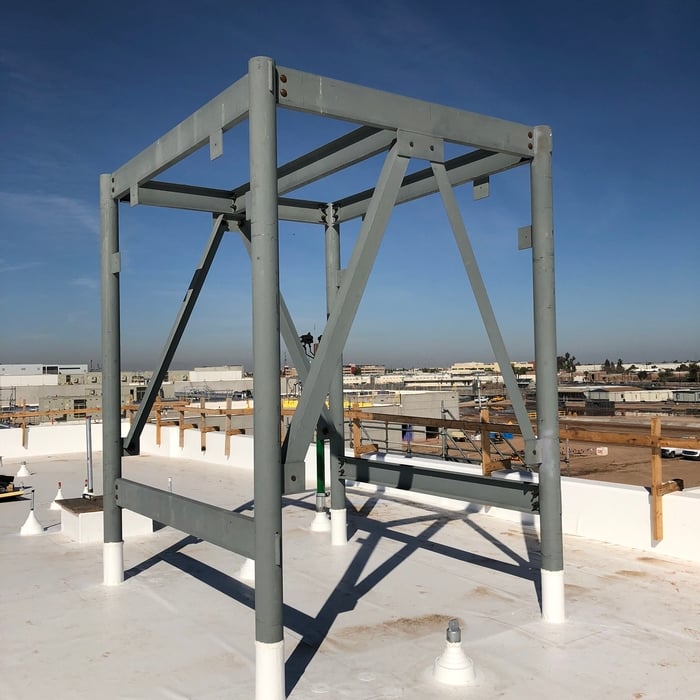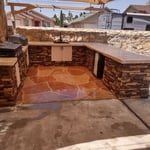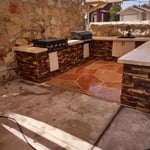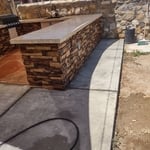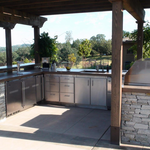





Licensed Structural Engineer with 13 years of structural design experience.\n\nI provide the following services:\n- New construction design (Residential, commercial, office, etc)\n- Remodels and Tenant improvements\n- Truss repairs\n- Bearing wall removal\n- Trellis, pergola and carport design\n- Concrete, Steel, Wood and Masonry design \n- Custom stairs
Caisson Engineers, located in DFW area, provides the best structural engineering services for residential, commercial and industrial projects as well as foundation design and foundation repair plans. Our highly educated engineers with over 25 years of experience can assist clients by preparing the engineering designs in a short time with the most accurate designs conforming to the codes and City requirements. We are an owner-operated firm.
Structural Engineering questions, answered by experts
The depth of any foundation style depends on your climate and how deep the frost line is, as building code requires that the footers of a foundation—which are built into a monolithic slab—sit at least a foot below the frost line. At the southern tip of Florida, for example, a monolithic slab foundation would only need to sit 12 inches under the soil at the widest parts. On some parts of the Canadian border, the frost line is 100 inches, which would mean a minimum of 112 inches, which is prohibitively deep for a monolithic slab.
A construction manager is particularly useful in the case of a large-scale build with custom design elements, so it’s usually worth it to hire one. They can help manage your budget, maintain quality control, oversee timelines, and navigate unexpected hurdles. While construction managers are pricey, they can actually save money in the long run by identifying cost-saving opportunities and ensuring the project stays within budget.
A 4-inch-thick concrete slab can support around 4,000 pounds per square foot if a contractor reinforces the slab with rebar, while that same slab without reinforcements will support closer to 1,000 pounds. For the purposes of a patio, 4 inches in thickness without reinforcement should suffice unless you’re installing heavy kitchen equipment or a hot tub on it. In those cases, reinforcing your slab and sticking with 4 inches of thickness should provide plenty of strength.
Yes, water damage can affect your walls' structural integrity. If the water or moisture sits on the walls for an extended period, it can weaken the drywall, plaster, wood framing, and other materials supporting the wall. That's why it's critical to dry out the area as soon as you notice it.
Costs depend on unit complexity, labor, wall mounting needs, and additional accessories like floating shelves.
The Anthony, TX homeowners’ guide to structural engineering services
From average costs to expert advice, get all the answers you need to get your job done.
A bowing basement wall needs immediate repair. Learn how much it costs to repair a bowing basement wall and what factors can affect the final price tag.