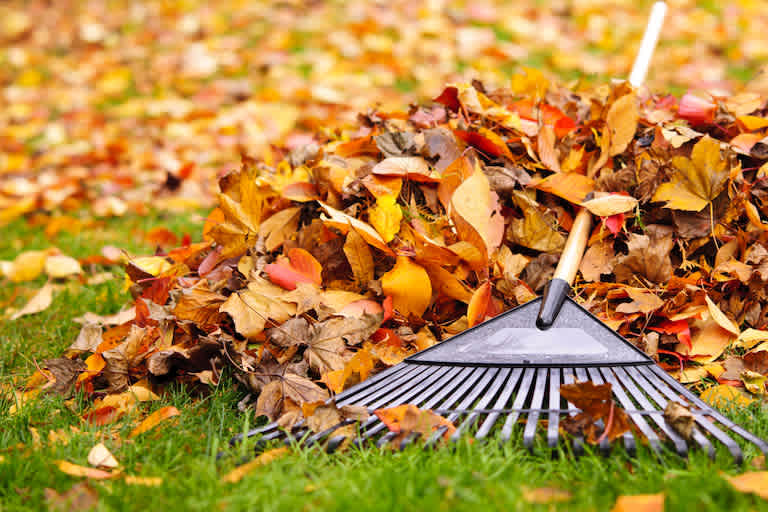

Top-rated leaf removal pros.

Best leaf removal pros near Mount Juliet, TN

Enter your zip and get matched with up to 5 pros

Need a pro for your leaf removal project in Mount Juliet, TN?

Select your specific project to find the pro for you.

TRUSTED BY MOUNT JULIET, TN HOMEOWNERS

  • Average homeowner rating star icon4.7
    Average homeowner rating
  • Verified reviews icon160
    Verified leaf removal services reviews

Top-Rated Leaf removal pros in Mount Juliet - Updated Nov 2026

Avatar for Lawn in Order Property Maintenance, LLC
Lawn in Order Property Maintenance, LLC
5.0(
50
)
Lawn & Yard Waste Clean UpLawn Care - Fall / Spring Clean Up - For BusinessLawn Care - Maintain and Mow a Lawn

Serving Mount Juliet, TN and surrounding areas

Approved

In business since 2013

Free estimates

Small jobs welcome

"Marcel (the Owner) did the work himself, and did an outstanding job. He is professional, friendly, and completed the aerification of the property in an efficient, expeditious manner. He also was able to accommodate our schedule (including changes), and his charges are a good value for the project. I will use this service again, and have recommended same to neighbors."
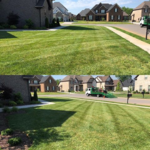
Professional Cut
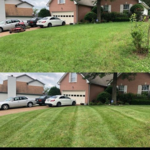
Before and After
Before and After
Stripes
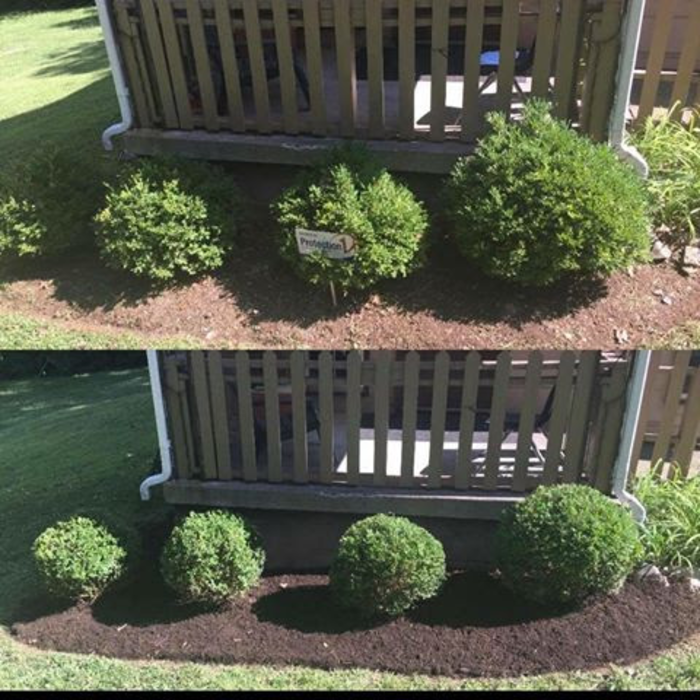
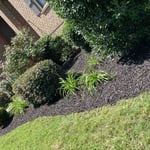
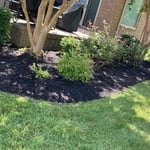
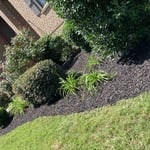
Before and After Mulch

+12

Response time8 hrs
Recommended by97%of homeowners
Avatar for Geo Company
Geo Company
5.0(
20
)
Lawn Care - Maintain and Mow a LawnLawn & Yard Waste Clean Up

Serving Mount Juliet, TN and surrounding areas

Approved

In business since 2025

Free estimates

Offers commercial services

"Geo did a great job on trimming my bushes.. He was very easy to work with. He did some extra work that I wasn't expecting and I was very happily surprised. All the trimming was very reasonably priced and his work ethic was admirable. Very hard worker. I recommend."
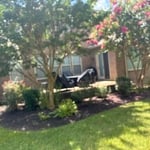
Landscaping & lawn care
Lawn carer

+52

4 neighbors recently requested a quote
...
Showing 1-10 of 536
Leaf Removal FAQs, answered by experts

Lead toxicity comes from inhaling lead or consuming it. Before the 1980s, when the government banned lead from consumer use, it could be found in paint, plumbing, pipes, ceramics, and even gasoline. Lead paint is toxic for the same reason lead itself is toxic, which is why lead poisoning from paint presents the same as lead poisoning from water or food sources, with a slight increase in respiratory symptoms vs. digestive symptoms. Lead paint is most dangerous when it’s old and peeling, cracking, or otherwise disturbed. This increases the concentration in the air and, therefore, in breathable air. 

Embarking on a kitchen demolition comes with its share of risks to keep in mind. Think of potential encounters with asbestos, sharp objects, and power tools—not to mention the peril of structures wobbling or unexpected plumbing surprises. And, of course, you will be surrounded by dust and debris throughout the process. All of the above makes safety gear necessary, or you can consider hiring a qualified professional.

You can paint over lead paint, or “encapsulate” it with a special paint that includes an ingredient called an encapsulant. The EPA approves encapsulation as a lead paint removal method as long as the paint remains undisturbed. Standard types of paint without an “encapsulant” from the big box stores or hardware stores do not meet EPA standards for remediation of lead-based paint.

If lead is detected in a property, steps should include arranging for professional removal or containment, notifying all occupants, and implementing interim safety measures to reduce exposure.

According to the Environmental Protection Agency (EPA), hazardous waste is generally classified into four main categories:

1. Characteristic Wastes: These exhibit at least one of four hazardous traits: ignitability (flammable, like gasoline), corrosivity (can rust or decompose materials, like car batteries), reactivity (unstable and can explode, like aerosol cans), or toxicity (harmful when ingested, like lead-based paint).

2. Listed Wastes: These are specific wastes from manufacturing and industrial processes that the EPA has officially designated as hazardous. They include byproducts from processes that use solvents, pesticides, and other chemicals.

3. Universal Wastes: These are commonly generated hazardous items that are subject to streamlined regulations. Examples include batteries, pesticides, mercury-containing equipment (e.g., bulbs), and some lamps.

4. Mixed Wastes: This category includes waste that contains both hazardous and radioactive components, making it subject to regulation by both the EPA and the Nuclear Regulatory Commission.

The Mount Juliet, TN homeowners’ guide to leaf removal services

From average costs to expert advice, get all the answers you need to get your job done.