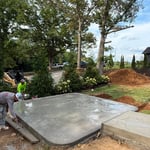
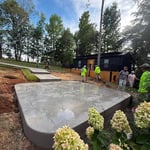
"Extremely friendly and reliable. I am very pleased with the final product. They spent a lot of time to ensure the project was done right. Highly recommended"
"Highly recommend Titian concrete! From start to finish Zach kept us in the loop with the whole project . And the crew was very professional and efficient 10/10 will use again"
"Steve and his team followed up and got the work done quickly and at a competitive price. I would strongly recommend Steve if you are in need of a concrete pad."
"The snow and ice interrupted or expected time line but Daniel stayed in touch and came to complete the job when the weather allowed. We are very happy with the job and would hire them again."
The answer to whether or not you need to get a permit before you start your driveway can vary widely based on local ordinances and the scope of your driveway ideas. In most urban and suburban areas, a permit is needed before building a new driveway to ensure that a homeowner is using safe materials and proper drainage practices while designing and constructing a new driveway. In some rural areas, a homeowner may not be required to apply for a permit. When building a new driveway on your own, always check with your local building department to see if you need to request a permit. When hiring a driveway contractor, verify that the right permits are being used before driveway construction begins.
Driveways should be sloped with a minimum 2% slope—anything lower will cause precipitation and runoff to collect. A 2% slope is the equivalent of a 2-foot rise over 100 feet. One quick way to check the integrity of your driveway’s slope: no more than four inches of water should collect on the surface longer than 15 minutes after rain.
Gravel is the cheapest way to extend a driveway. Gravel is an affordable, practical option that’s easy to install and perfect for DIY projects, helping you save on labor costs. It can be quickly spread and leveled to create extra driveway space without heavy preparation. While gravel doesn’t offer the same durability or finished look as concrete or asphalt, its low cost makes it ideal for budget-conscious homeowners who want a functional solution without overspending.
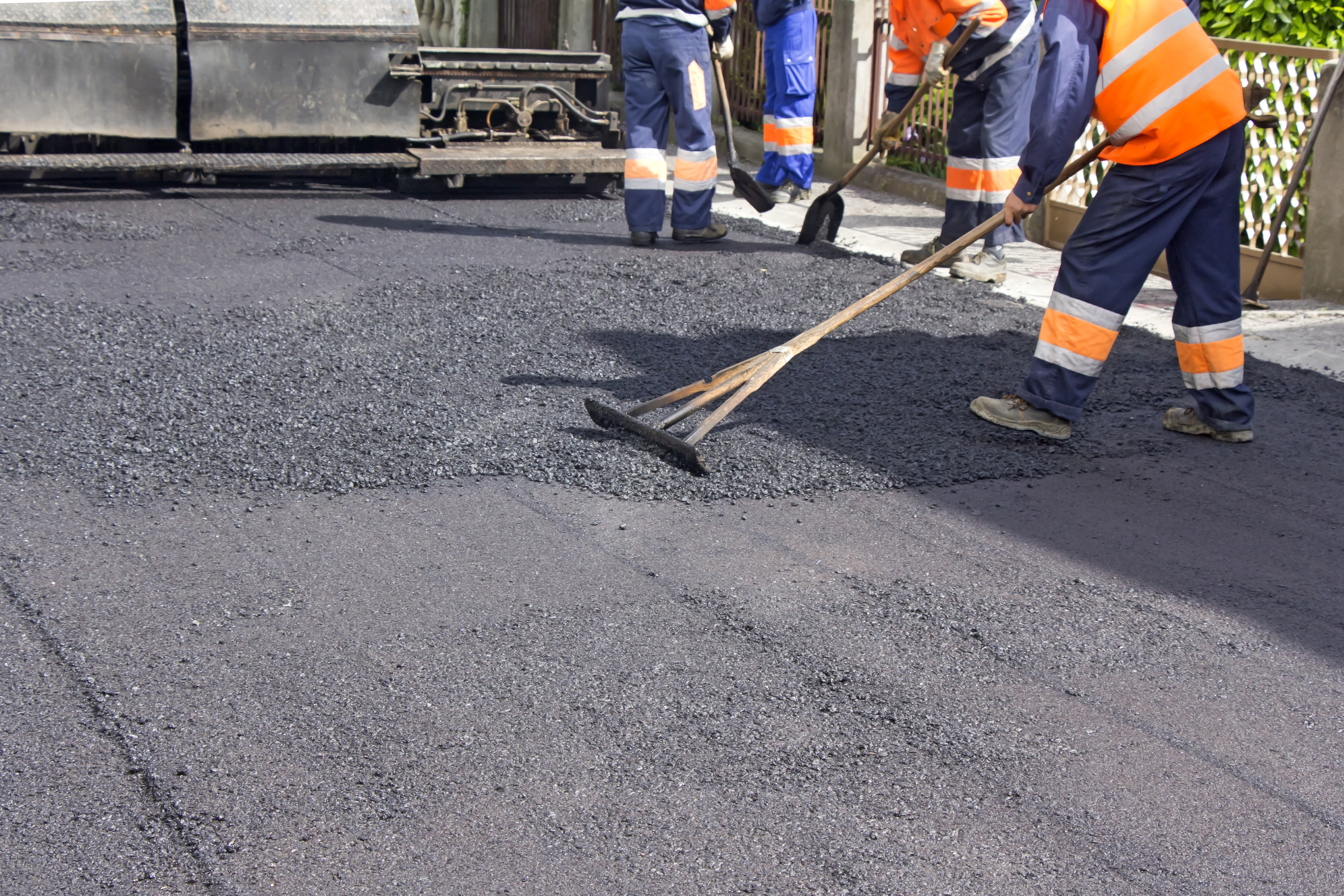
If your driveway is cracked, you can repave it with a process called asphalt overlay. Overlay is more cost-effective than a full replacement but is better suited for minor cracks and issues. If you have major cracks or other problems like water pooling, asphalt overlay isn’t your best bet. Plus, paving over a cracked driveway only extends the lifetime by about 10 years, whereas replacing it would start the clock over completely to give you up to 30 years.
Asphalt driveways last anywhere from 15 to 30 years, but if you don’t stay on top of repairs, you may find yourself spending extra to replace your driveway before its typical lifespan. Stay on top of repairing cracks and potholes by routinely inspecting your driveway once or twice a year. It’s a good idea to pressure wash your asphalt driveway at least once a year to keep it clean. Apply a sealer every one to five years, based on your climate.
The Mount Juliet, TN homeowners’ guide to asphalt driveway services
From average costs to expert advice, get all the answers you need to get your job done.
Adding a new asphalt driveway to your home can boost its overall appearance and give homeowners a nice ROI down the line. But how long do asphalt driveways last, and what can you do to maximize their lifespans? Read this guide to find out.