




Top-rated electricians.

Best electricians near La Vergne, TN

Enter your zip and get matched with up to 5 pros

Need a pro for your electrical service project in La Vergne, TN?

Select your specific project to find the pro for you.

TRUSTED BY LA VERGNE, TN HOMEOWNERS

  • Average homeowner rating star icon4.6
    Average homeowner rating
  • Verified reviews icon885
    Verified electrical services reviews

Top-Rated Electricians in La Vergne - Updated Nov 2026

Avatar for Top Notch Electrical Group llc
Top Notch Electrical Group llc
5.0(
7
)
Electrical Switches, Outlets & Fixtures - Install or RepairFixed Generator - InstallCeiling Fan - Install+16 more

Serving La Vergne, TN and surrounding areas

Approved

Free estimates

Emergency services offered

Warranties offered

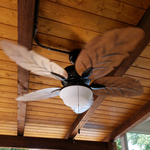
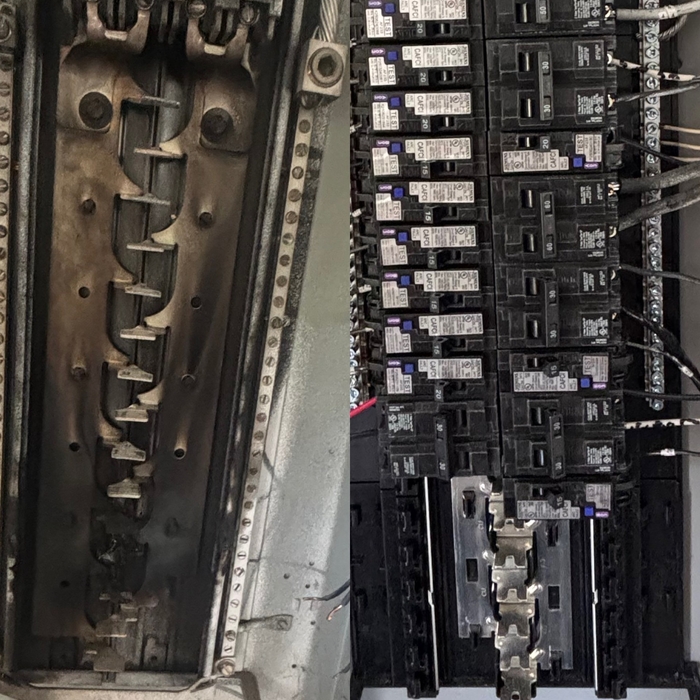
"This is definitely the guy to hire if you need any electrical work done! He was kind and exceptionally professional. It was supposed to be a simple ceiling fan replacement. However, Larry found a serious problem with my wiring that I'm blessed didn't actually cause a fire in my home. He showed me the problem and fixed it even though that really should have been a separate call. I am over the top pleased with the service and work performance. I HIGHLY recommend Top Notch Electrical and Larry!!! 5 STARS!!!"
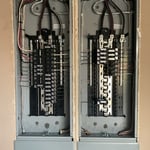
New panel upgrade
22 neighbors recently requested a quote
...
Showing 1-10 of 395
Electrical FAQs, answered by experts

To prevent a plug from overheating, always ensure that the electrical load connected to the plug does not exceed the plug's capacity. If the plug feels hot to the touch or emits a burning smell, immediately shut off the circuit breaker and unplug all devices from the hot outlet. Prevent electrical fires by avoiding using extension cords or adapters with the plug, as they can cause it to overheat due to increased resistance. Additionally, ensure that the plug is properly inserted into the outlet and that the outlet is not damaged or loose. 

If wiring in a relatively modern home is damaged due to sudden events like a fire, a tree falling into the house, or a flood, then homeowners insurance is very likely to cover the cost of replacing the wire.
However, if it’s determined that wiring failed or started the fire because of age, neglect, or not meeting current electrical standards, then insurance won’t be covering any replacement. Also, insurance policies may charge more for particularly old kinds of wiring like aluminum wiring or deny applications altogether. 

It can be safe to buy or live in a house with knob and tube (K&T) wiring, but only if the system is in good condition, functional, and has been thoroughly inspected and approved by a licensed electrician. Never purchase a home with K&T wiring without getting a professional electrical inspection first.

Key considerations include:

  • Safety and Condition: An inspector will verify that the wiring is safe and has not deteriorated. Over time, the insulation can wear away, leaving exposed wires that pose a significant fire or shock hazard.

  • System Capacity: The electrical service should be at least 60 amps. However, even at this capacity, K&T systems often struggle to handle the demands of modern appliances and electronics.

  • Lack of Grounding: Knob and tube wiring is an ungrounded system, which is a safety concern for many modern devices.

  • Ongoing Maintenance: If you live in a home with K&T wiring, it's recommended to have it inspected by an electrician every one to two years to ensure it remains in safe working order.

Ultimately, any inspection or modification of a knob and tube system should always be performed by a certified professional.

When installing an outdoor outlet, it's important to proceed with caution. Unless you have the necessary training and licensure, it's not recommended to attempt this DIY. First, choose a suitable location. Make sure that the area can accommodate the outlet without overloading the circuit. You'll also need to ensure that your project complies with building codes. Next, turn off the power to the circuit, then install and wire the outlet according to the manufacturer's instructions. Once the outlet is in place, test it. Lastly, be sure to use a cover that will protect it from moisture and other weather-related damage.

The size of the microwave you choose may change this answer, but for standard over-the-range microwaves, 120 volts and a three-prong grounded outlet is needed for your device.

The La Vergne, TN homeowners’ guide to electrical services

From average costs to expert advice, get all the answers you need to get your job done.