





Top-rated excavation pros.

Best excavation pros near Bruceton, TN

Enter your zip and get matched with up to 5 pros

Need a pro for your excavation project in Bruceton, TN?

Select your specific project to find the pro for you.

Top-Rated Excavation pros in Bruceton - Updated Nov 2026

Avatar for Avara Land Management
Avara Land Management
5.0(
4
)
Landscape - Minor Grading or Resloping

Serving Bruceton, TN and surrounding areas

Approved

In business since 2025

Free estimates

Emergency services offered

"Eric came out and gave me an estimate on some dirt work I needed done. He was very professional and answered every question I had. Eric and his crew done a fantastic job on my dirt work. They were on time and right on budget. Their now my go to company for all my excavation and land development needs!"
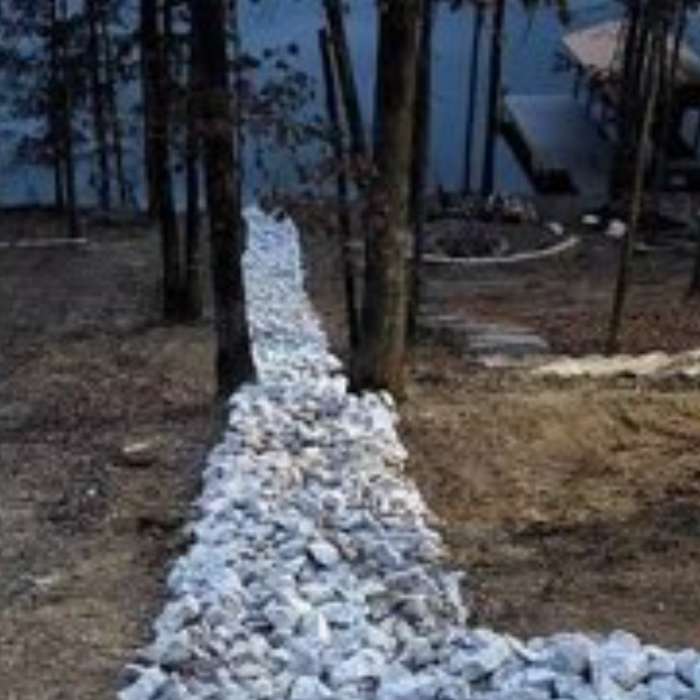
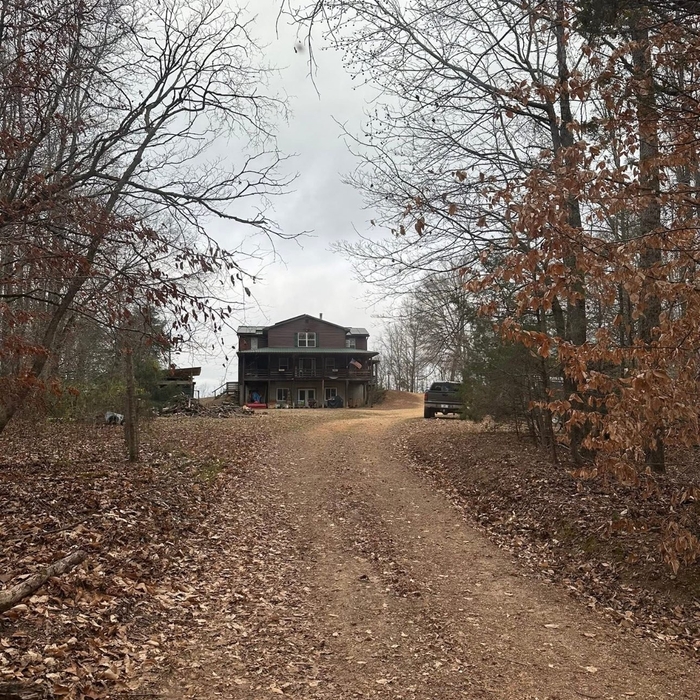
Mayberry land clean up
Short creek driveway job

+8

1 neighbors recently requested a quote
VVM Earthworks
New to Angi
Building Site - Preparation and ClearingExcavation - Major Grading or ReslopingLandscape - Minor Grading or Resloping

Serving Bruceton, TN and surrounding areas

Approved

In business since 2018

Free estimates

VVM Earthworks, proudly serves our customers with pride, integrity, and attention to the details that matter most to you. This is one of the many things that sets us apart from the rest. We leave customers happy and give them a part of us of what we are proud too do.

Leedy Farms & Land Management LLC
New to Angi
Landscape - Minor Grading or Resloping

Serving Bruceton, TN and surrounding areas

Approved

Leedy Farms & Land Management LLC is a locally owned and operated land management, excavation, and property improvement company based in Buchanan, Tennessee. Established in 2023, our team brings decades of combined hands-on experience in heavy equipment operation, excavation, land clearing, grading, property maintenance, welding, fabrication, construction support, and industrial work.\n\nWe serve West Tennessee and surrounding areas and are willing to travel for larger projects. Our services include excavation, land and lot clearing, tree and brush removal, driveway and road work, gravel spreading, grading, drainage improvements, bush hogging, site preparation, and property cleanup.\n\nWe believe in honesty, dependability, hard work, clear communication, and treating every customer's property like our own. We take pride in doing the job right from start to finish.\n\nFrom clearing to completion – we do it all!

...
Showing 1-10 of 64
Excavating FAQs, answered by experts

Skunk digging looks like a series of small, cone-shaped holes on a lawn or around the perimeter of a home, porch, deck, or shed. The holes that skunks dig when searching for grubs tend to be no more than four inches in diameter and may be up to four inches deep.

Excavation is priced in cubic yards, so you’ll need to find the volume of the area in order to calculate costs. Multiply the length, width, and proposed depth of your excavation site, then convert it into yards to get the volume. Multiply this figure by the price per cubic yard.

Most homeowners can measure by hand to get a rough estimate, even if it’s tedious. You may want to pull out a tape measure or use a string to help mark the area.

No, you typically cannot use metal detectors to find your sewer line. Most sewer lines are made of non-metallic materials such as PVC, clay, or cast iron, which are not detectable by standard metal detectors. Metal detectors are designed to locate metallic objects, so they won't be effective for identifying the path of a non-metallic sewer line. To locate your sewer line accurately, it's best to use other methods.

Concrete blocks are the cheapest way to base a shed. However, the space in between allows critters to go under, burrow, and even damage your shed’s frame. For a more pest-proof option, consider building a shed base with gravel or paver stones. Both options are fairly affordable and easy enough for a DIY project. For gravel, you can build a wooden frame to contain the loose material.

Most residential basements are 8 to 10 feet deep. You can dig deeper depending on building codes, but it does become more difficult. You’ll likely need to install stronger foundation walls and additional supports to handle the increased load. Depending on the water table, you may also need a water management system. Clay soil can support a deeper foundation than sandy soil. A structural engineer will be able to tell you the maximum, feasible depth.

The Bruceton, TN homeowners’ guide to excavation services

From average costs to expert advice, get all the answers you need to get your job done.