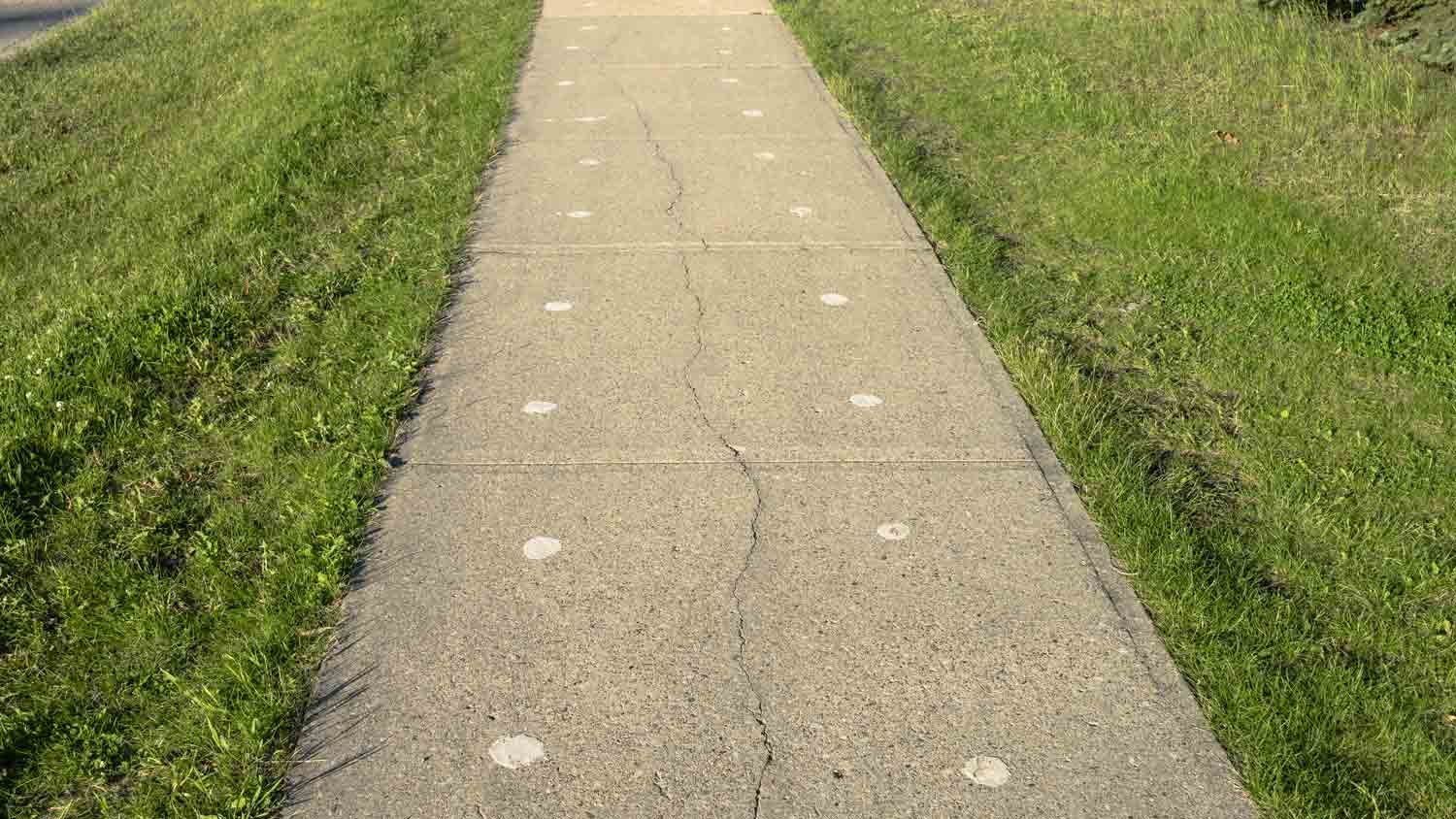
"Alabama Foundation Specialist did an excellent job without making a big mess. They were able raise our large concrete walk way a couple inches back to its original height. They were professional, quick, and a pleasure to work with."
"Project went very well. Horace and Vic showed up on schedule, explained clearly what they would be doing, kept me apprised of the progress as the job was performed, and walked me through the results. I was a bit surprised by the price for the work, but this was the only company that responded and committed to do the work, so I really don't have a good comparison price point. Note that the process was NOT mudjacking, but jacking and reinforcement with a poly product that offers many benefits over mudjacking."
"They have very professional workmanship and very friendly but great work ethic they get in and out with quality work I recommend them for all household repairs"
Concrete Mudjacking questions, answered by experts
Yes, expanding foam (also known as polyurethane foam) can lift concrete. This approach, called polyjacking, involves injecting the foam rather than concrete slurry to fill voids and raise the concrete slab back into place. It’s often faster and requires smaller drill holes than traditional mudjacking, though it may come at a higher cost. Some contractors also prefer polyjacking over mudjacking for more damaged and delicate slabs.
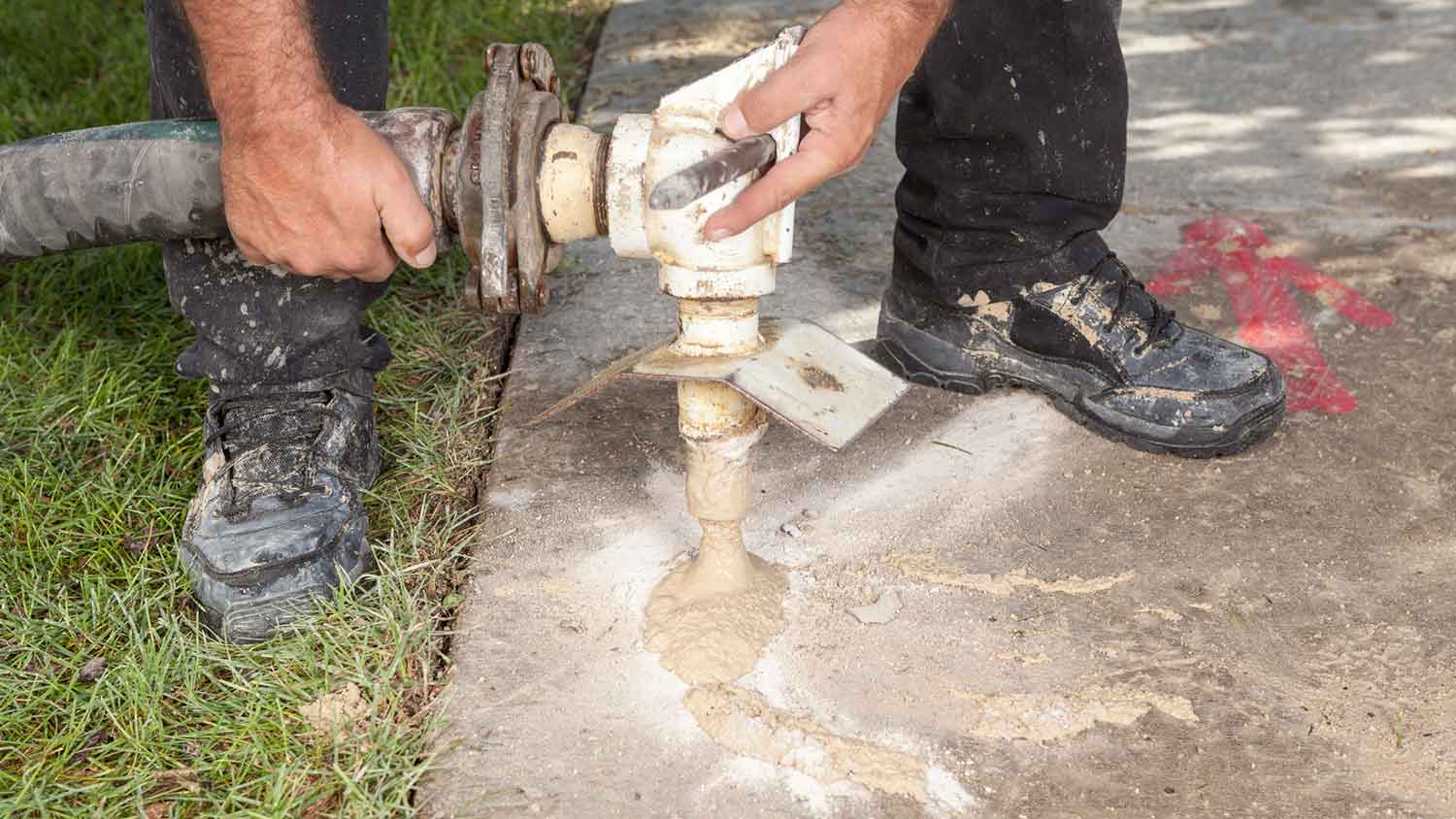
The method involves lifting settled concrete using pressurized cement slurry via drilled holes. This solves uneven surfaces and prevents further settling.
Charges correlate with surface size, settlement depth, and access, often yielding significant savings over concrete replacement.
Mudjacking is usually reserved for light-duty slabs, like patios, driveways, and sidewalks. However, it can be an effective way to lift garage slabs and concrete around the perimeter of the home, which could harm your foundation if it’s not done properly. The risk of damage is why having a professional mudjacking company carry out the work is important. This type of slab or foundation repair is relatively inexpensive, especially if you consider that a DIY job requires that you pay to rent the necessary equipment.
Trenching and boring are two distinct methods for installing underground utilities. Trenching involves digging a channel using equipment like an excavator, trencher, backhoe, or shovel. While it is a simpler process, it causes significant disruption to the surface, landscaping, and surrounding ecosystems.
Boring, also known as directional boring, is a less invasive alternative that uses a drill to create a tunnel for utility lines without disturbing the surface. This method is more precise and is ideal for installations that need to go underneath buildings, roads, or bodies of water. Although boring is less disruptive, it is generally more expensive than trenching.
The Cumberland Gap, TN homeowners’ guide to concrete mudjacking services
From average costs to expert advice, get all the answers you need to get your job done.
DIY mudjacking is an advanced task, but learning how to raise a concrete slab is great to know for many scenarios. Let's take a look at how to DIY mudjack.
Sunken concrete can be a structural issue, but a professional can easily repair it. Ask these concrete injection leveling and mudjacking questions before you hire.