



Top-rated drywall pros.

Get matched with top drywall pros in Arlington, TN

Enter your zip and get matched with up to 5 pros

Need a pro for your drywall service project in Arlington, TN?

Select your specific project to find the pro for you.

TRUSTED BY ARLINGTON, TN HOMEOWNERS

  • Average homeowner rating star icon4.4
    Average homeowner rating
  • Verified reviews icon114
    Verified drywall services reviews

Find Drywall pros in Arlington

Avatar for Legacy Builders Contractor
Legacy Builders Contractor
5.0(
12
)
Drywall - Repair

Serving Arlington, TN and surrounding areas

Approved

In business since 2025

Free estimates

Credit card accepted

"Omar gave me an estimate having seen a photo. The actual cost was more because the damage was much more than what we thought. He was still able to get the job done in one day, and then come back the next day for the final coat of paint. He was nice and thorough and is working on another estimate to replace some doors and a window."
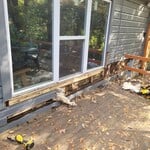
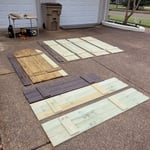
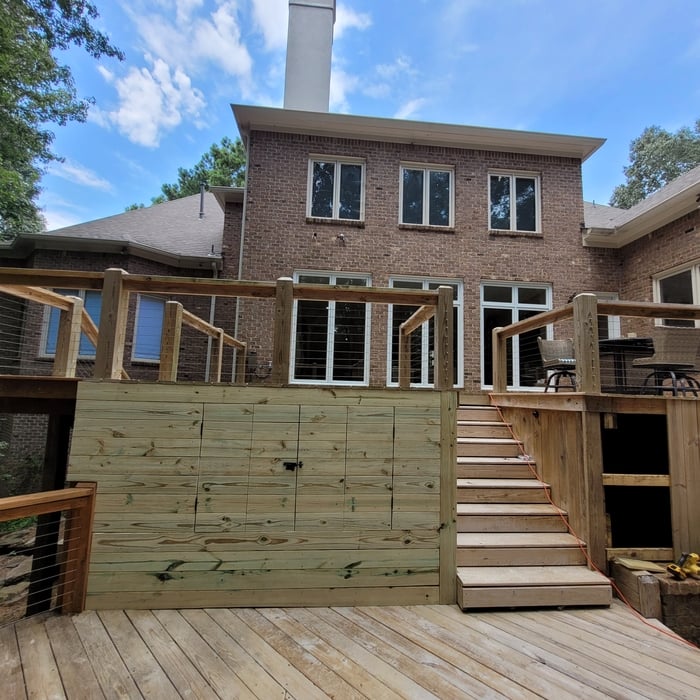
Deck remodeling
Deck remodeling
Deck remodeling
Deck remodeling
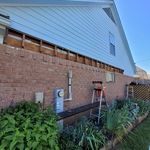
Soffit damage

+49

Avatar for Hondupaint
Hondupaint
3.9(
33
)
Drywall - RepairDrywall - Install

Serving Arlington, TN and surrounding areas

Approved

In business since 2014

Free estimates

Emergency services offered

"Alex was extremely professional and a delight to work with, not to mention his prices were very very reasonable and the quality of work was outstanding! I will definitely be using him for all of my drywall and painting needs!"
Painting
Painting
Painting
Painting
Painting

+164

Response time40 mins
Response rate97%
21 neighbors recently requested a quote
...
Showing 1-10 of 295
Drywall questions, answered by experts

You should wait at least 24 hours for drywall mud to dry before sanding or applying another coat. However, the exact drying time depends on several factors, including the thickness of the application, room temperature, humidity, and the type of compound used. Thicker layers, or projects in high humidity, may require 48 hours or more. Lightweight compounds tend to dry faster than heavier, all-purpose ones. You'll know the mud is ready when it feels completely dry and firm to the touch and has changed to a consistent light color. Sanding too early can cause smudging or gouges, so patience is essential for a smooth finish.

Both plaster and drywall are durable wall finishes, but they differ significantly in installation, cost, performance, and aesthetics.

Installation & Cost: Drywall installation is faster and more affordable, typically costing $1.50 to $3 per square foot. It uses premade sheets, making it a more accessible DIY project. Plastering is a labor-intensive craft that requires specialized skills, pushing costs to $2 to $10 per square foot. It involves applying a wet paste over a lath framework.

Durability & Performance: Plaster is generally more durable, longer-lasting, and provides superior soundproofing. It is also a better insulator, which can help reduce energy costs. Drywall is easier to remove for future renovations.

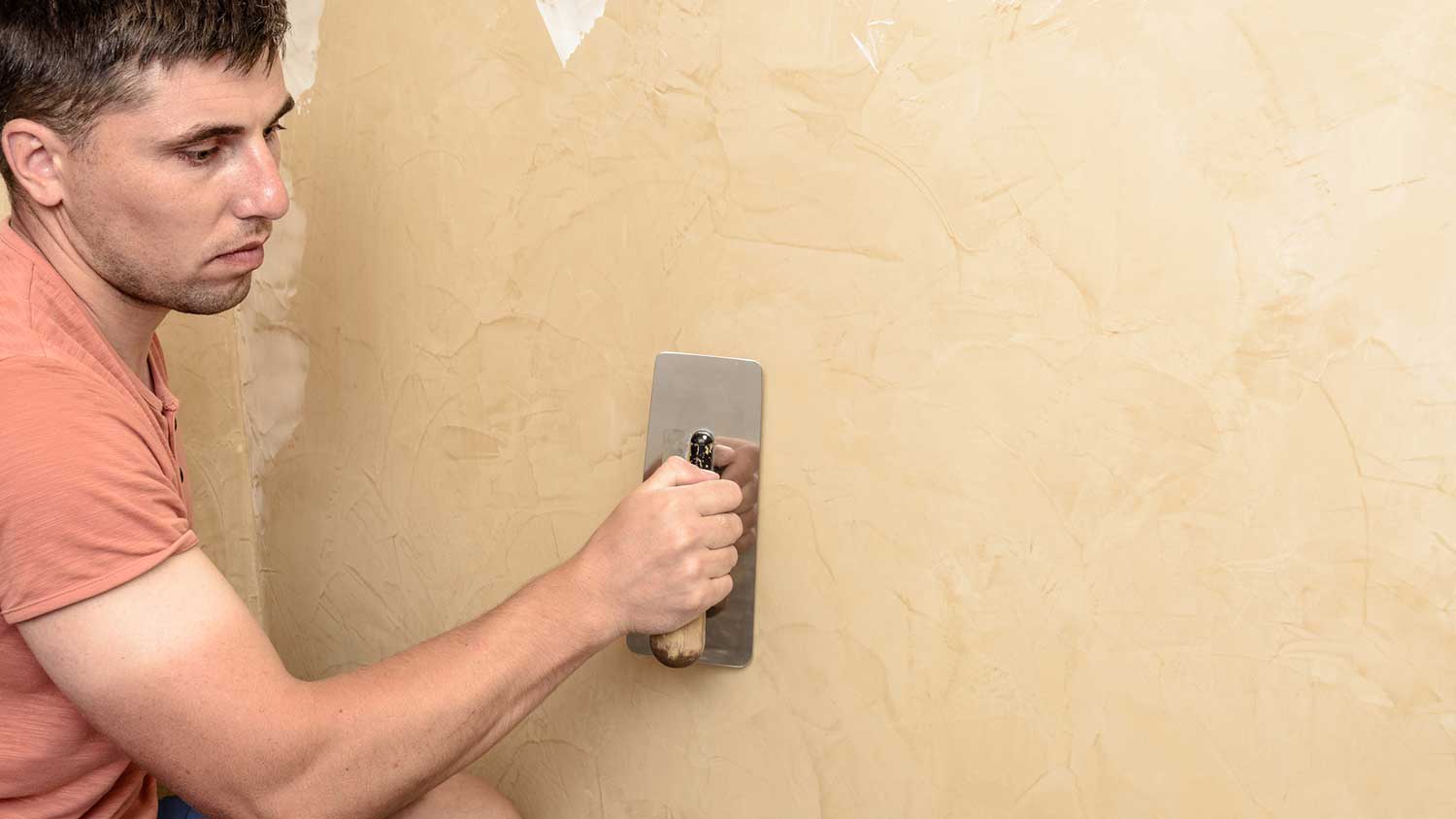
Aesthetics: Drywall provides a smooth, uniform surface ready for paint or texture. Plaster offers a high-end, naturally textured look that can hide imperfections and is often preferred for achieving a classic or historic aesthetic.

Which is better? The choice depends on your priorities. Drywall is ideal for those prioritizing a lower upfront cost, faster installation, and DIY potential. Plaster is the better option for a higher-end project where durability, soundproofing, and a unique, premium finish are more important than the initial cost.

A nail in drywall cannot hold very much—usually only a few pounds. A nail in a stud can add support and hold around 20 pounds. If you are trying to hang something heavier, get some help from drywall anchors—toggle bolts are very strong and able to withstand more weight.

The easiest way to tell if a wall is load bearing is to check if it’s an exterior wall or if it runs perpendicular to the joists above and below it (or parallel to beams). Exterior walls are almost always load-bearing, and walls that run under beams or parallel to them are also usually load-bearing. There are exceptions to these rules, and walls that don’t fit into these categories can still be load-bearing. If you’re unsure, hire a structural engineer to look at your home to assess whether or not the wall is structural.

Regularly in areas prone to moisture or high traffic to catch issues early.

The Arlington, TN homeowners’ guide to drywall services

From average costs to expert advice, get all the answers you need to get your job done.