General contracting work, specializing in carpentry and woodwork. With 30 plus years of experience in residential and commercial new builds and remodels, Skid's Construction prides itself on being a company that takes care of its customers, providing quality services and work. We value honesty, integrity and efficiency.
"Very professional, high quality work and fair prices. Work was completed in a timely manner and was very accommodating for some minor changes. Dependable, trustworthy and highly skilled. Highly recommended."
David Ferguson's construction business is dedicated to quality and outstanding customer service. Our job is to provide you with quality service at a great price. Please don't wait call us today.
I pride myself on my professionalism, as well as my ability to complete
\nevery job to the homeowner's total satisfaction. I never leave a job
\nunfinished, or a homeowner not 100% satisfied with my level of service -
\nCall today!
Started learning from a family member from the age of 13 and have decided to make it my passion. Always on time, the job is always done right the first time, and detail oriented. Lakopa/English
The regulations for pool fence heights vary by state, so be sure to research what the legal, minimum height is in your area before purchasing or installing a fence. Though every region is different, generally a pool fence must be at least 4 and ½ feet high. If you’re unsure whether you need a fence around your pool, and how high that fence should be, contact a local pool enclosure expert to help you successfully, and safely, move forward.
You can place many materials under a pool to level it, including sand, concrete, solid foam, pavers, or finely crushed gravel. You can also use a tamper or roller to level ground without using a shovel to dig. No matter the material, make sure to level the ground with sand first for a smooth, even surface for the pool to sit on.
Yes, pool pumps use a significant amount of electricity, making them one of the biggest energy consumers in a home. A pool pump can use up to three times as much electricity as a refrigerator. Typically, a residential pool pump consumes about 1 kilowatt-hour (kWh) for every hour it runs. Because pumps often need to run for about eight hours a day to properly filter the water, this can add up to an annual consumption of 3,000 to 5,000 kWh, which can cost between $480 and $800 per year based on average electricity rates.
The amount of electricity your pump uses depends on its size, energy efficiency, and daily run time. To lower your energy consumption, you can choose an energy-efficient or variable-speed pump, ensure it is correctly sized for your pool, and run it only for the minimum time required to keep the water clean.
An aboveground pool should be level within 1 inch—and it starts to become unsafe after a couple of inches. Any slope will lead to an uneven distribution of water, which will put pressure on your pool’s structure, wearing down the pool liner. In certain cases, it could cause your pool to collapse. Even if you’re within a safe window, you may still notice that the water level is uneven.
You can avoid pool collapse—known as pool pop in an inground pool—if you follow the instructions on how to drain your pool safely. Wait for a temperate, dry day and slowly remove the water with a sump pump, hose, or the attached drains and hydrostatic plugs.
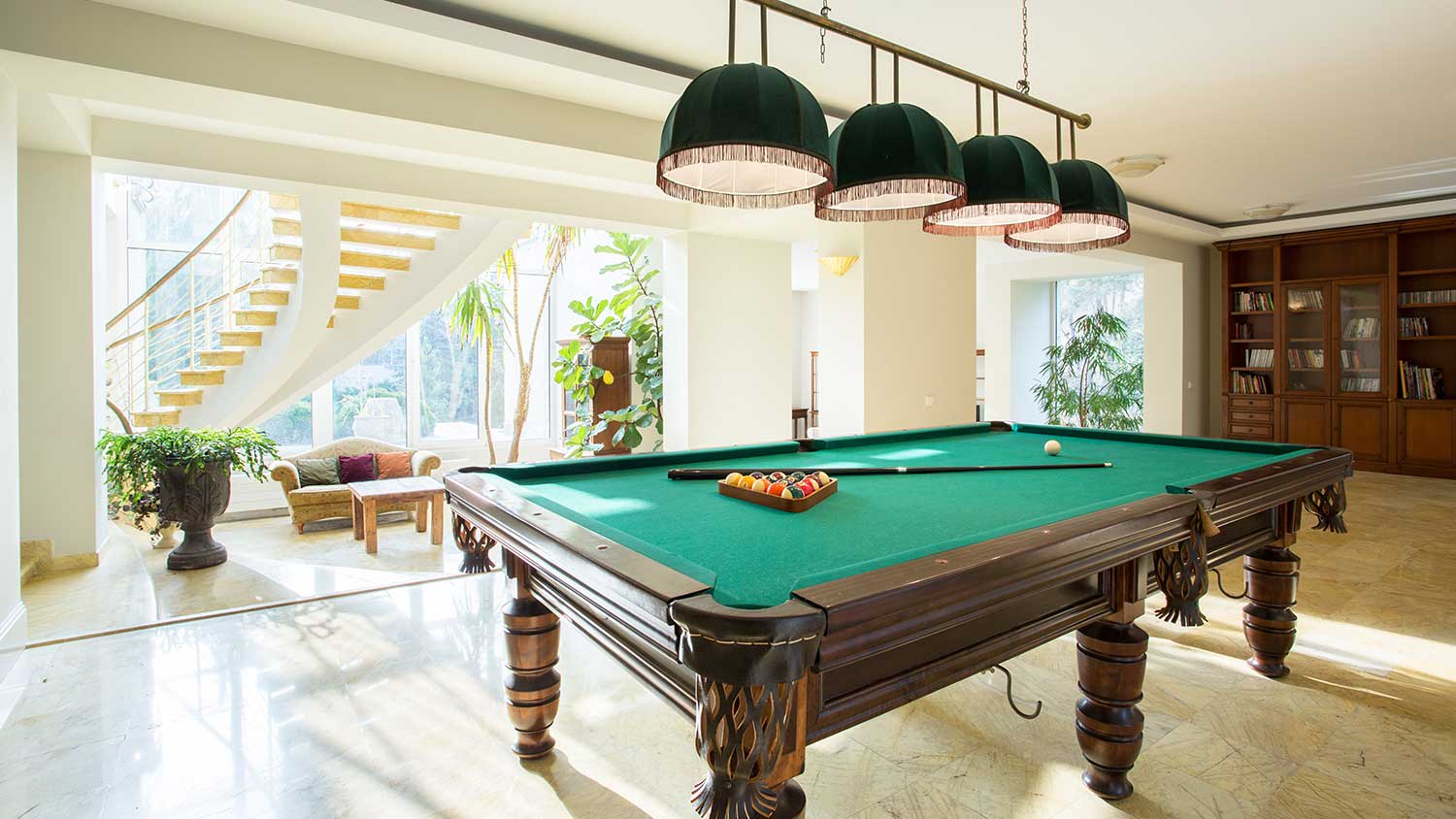
The Wanblee, SD homeowners’ guide to pool table assembly services
From average costs to expert advice, get all the answers you need to get your job done.
Learning how much it costs to refelt a pool table is the first step to getting your game back in top shape. Here's what to know about each type of table.
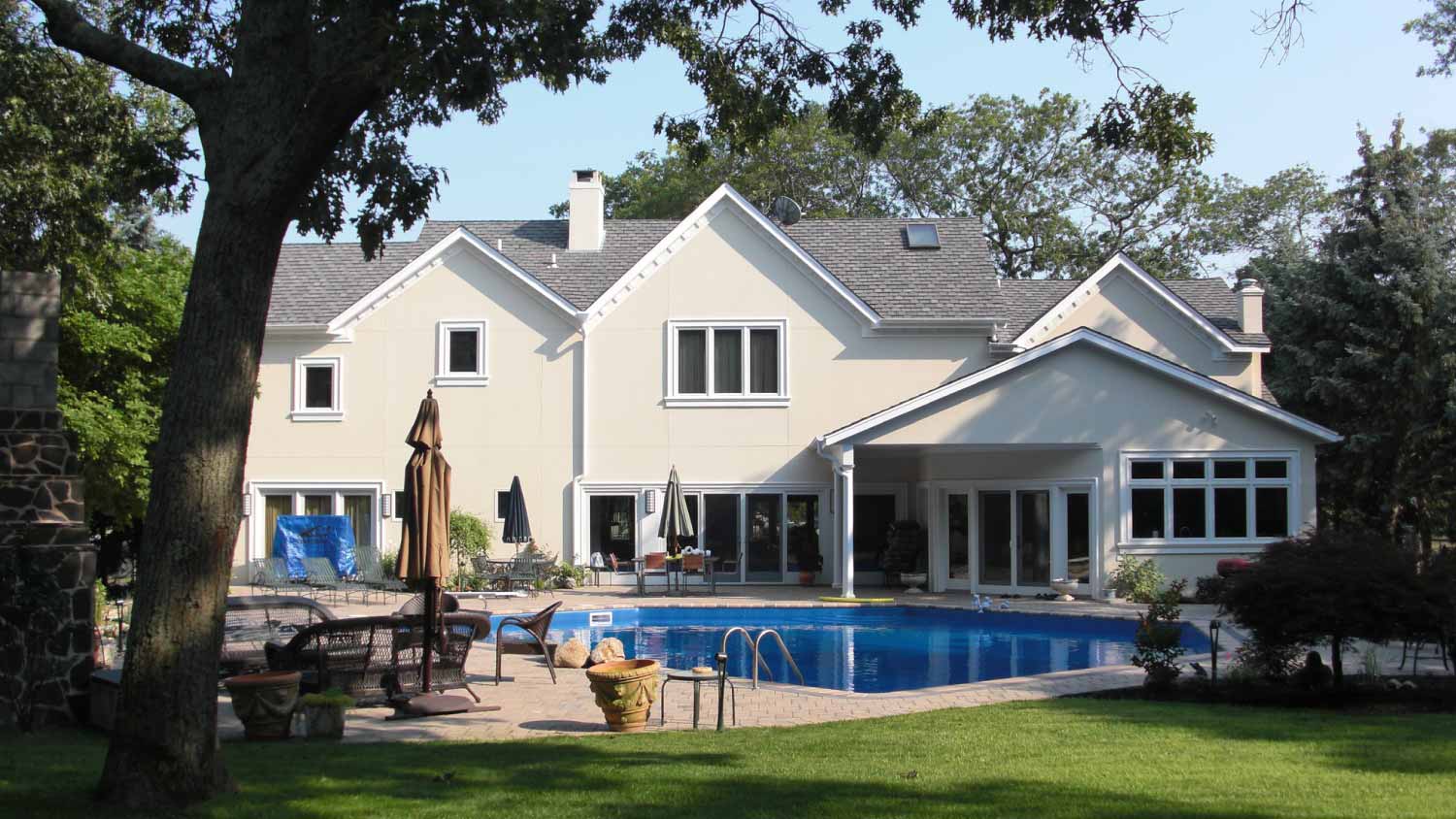
Is it time to treat yourself to backyard pool parties and late-night swims? Start with our guide, which answers the question: how much does it cost to build a pool?
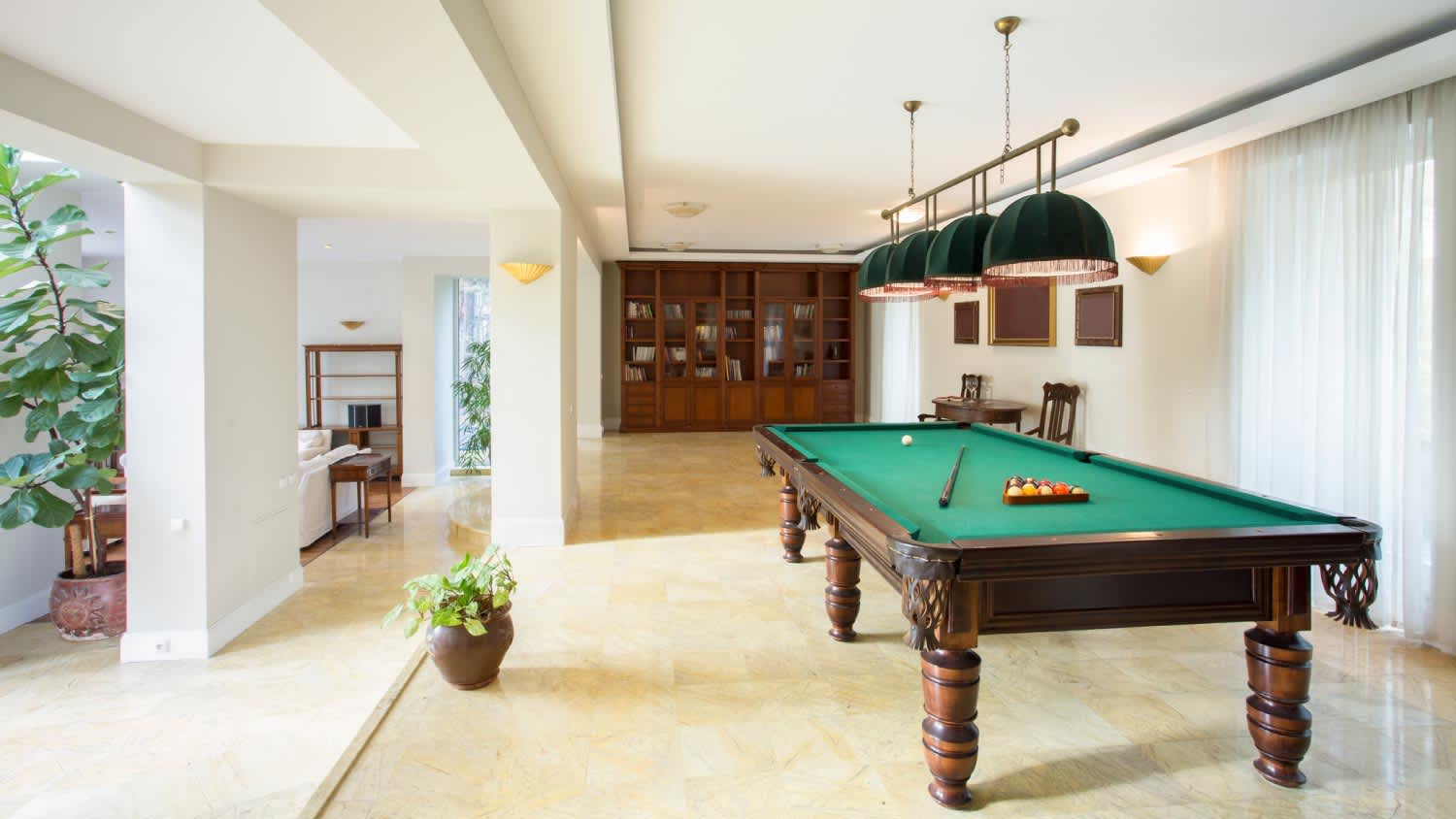
Pool tables and billiard tables come in a variety of sizes and designs. Read our buying guide to ensure you purchase the right one for your family’s gaming room.
Learn about home items that are nearly impossible to move without movers, either because they are awkwardly shaped, too heavy, or require special equipment.