"AHS is ok. They cover repairs of most everything under the roof of your house. The companies that contract with them are not always the best. You call AHS with the issue, they send a fax to the repair company and give you the contact info. If they don't contact you within 24 hours, you call them. Sometimes they answer, sometimes they don't. When they arrive (usually three days or so later), they service the item. if it has issues within the 90 days, you call AHS again, they are sent out with no charge. If the serviceman decides the unit is unrepairable, AHS will allow you to choose a replacement from their listing (usually not as good as what you have) they will install and remove your old item, or give you wholesale amount to buy and install your own. Prices vary on what you want covered and what you want the copay to be, plus where you live. For me it is 49.99 per month with a 75.00 time of service order. You can have more than one item serviced at the same time under the same fee. If you have a SEAR product the repair guys are great. Not that wild about the other ones they send out. But it is a big savings compared to calling someone on your own. The cost of service is only the 75.00 copay."
We take great pride in our experience, expertise, quality, and customer service that we provide to meet the consumer's needs. It is our mission to provide excellent workmanship and complete customer satisfaction, from the start to the completion of a project. In order to understand the needs and expectations of our customers, we take great care to work and communicate with every customer in a professional manner. Our reputation is based on service, safety, and quality, regardless of how large or small the job.
When it comes to major and minor construction services, look no further than Ace of Trades Handyman Service. We have more than 35 years of experience bringing prompt and reliable services. Call us.
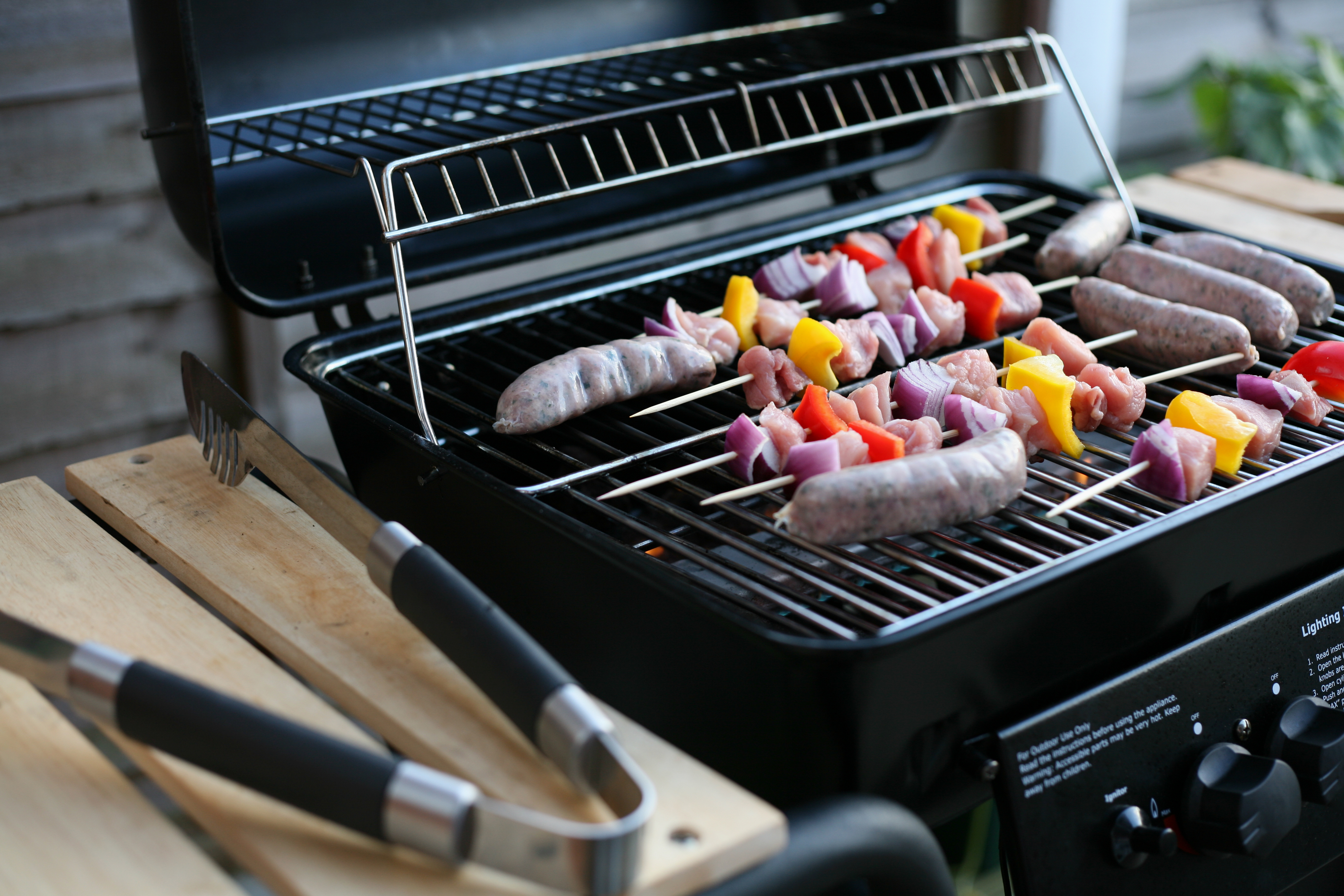
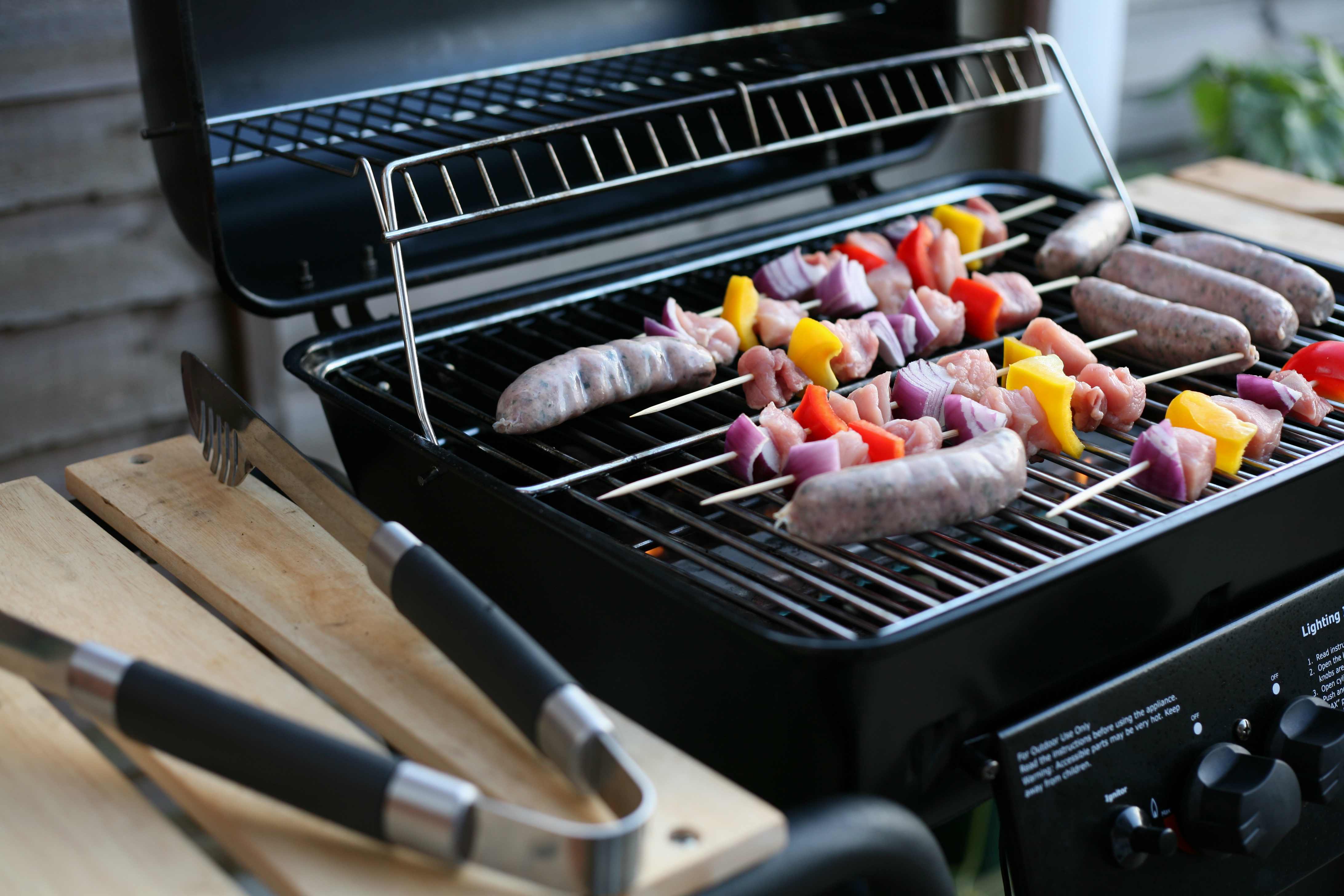
Gas Grill Installation questions, answered by experts
A few potential problems can cause your gas grill to stop working:
Burners aren’t properly aligned.
Food debris is clogging the burners.
Hose connections may be blocked.
Burners may not be getting enough gas.
Gas valve is not working properly.
If you’re experiencing any of those problems with your gas grill, hire a local grill repair professional to inspect your grill for issues and implement a plan to resolve them.
The cost of a gas grill burner ranges from $10 to $100 or more, depending on the brand. If you’re replacing one burner, consider replacing all the burners simultaneously. Although it will cost more upfront, it will save you the hassle of replacing a burner every few months, and your grill will cook more evenly and efficiently.
Yes, professional services include proper fuel line connection and ventilation to meet safety codes.
Local codes often mandate specific fittings, permits, and vent considerations for permitted function and safety, which are enforced by professionals.
Yes, professional services typically include venting, gas line installation, and necessary permits.
The Wall, SD homeowners’ guide to gas grill installation services
From average costs to expert advice, get all the answers you need to get your job done.
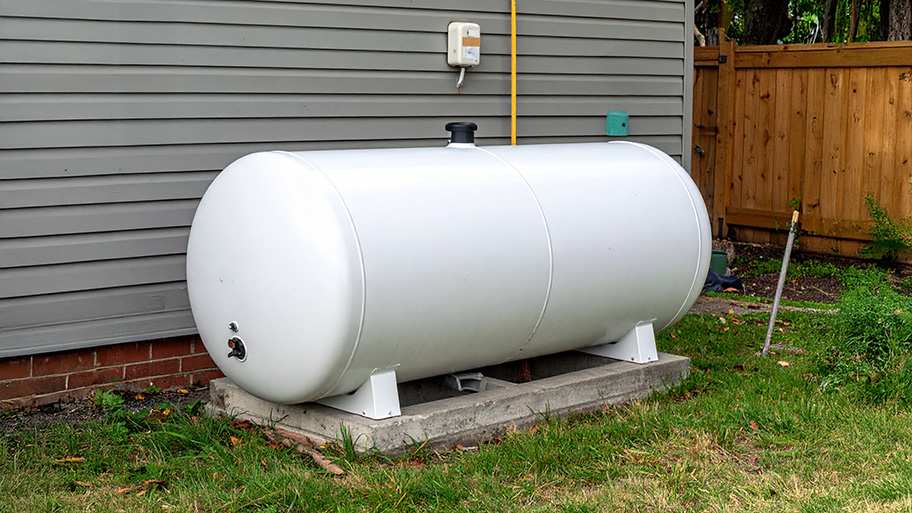
Whether it's time for pipe replacement or to hook up the range of your dreams, gas line installation cost is an important line in your budget. Let's take a look.
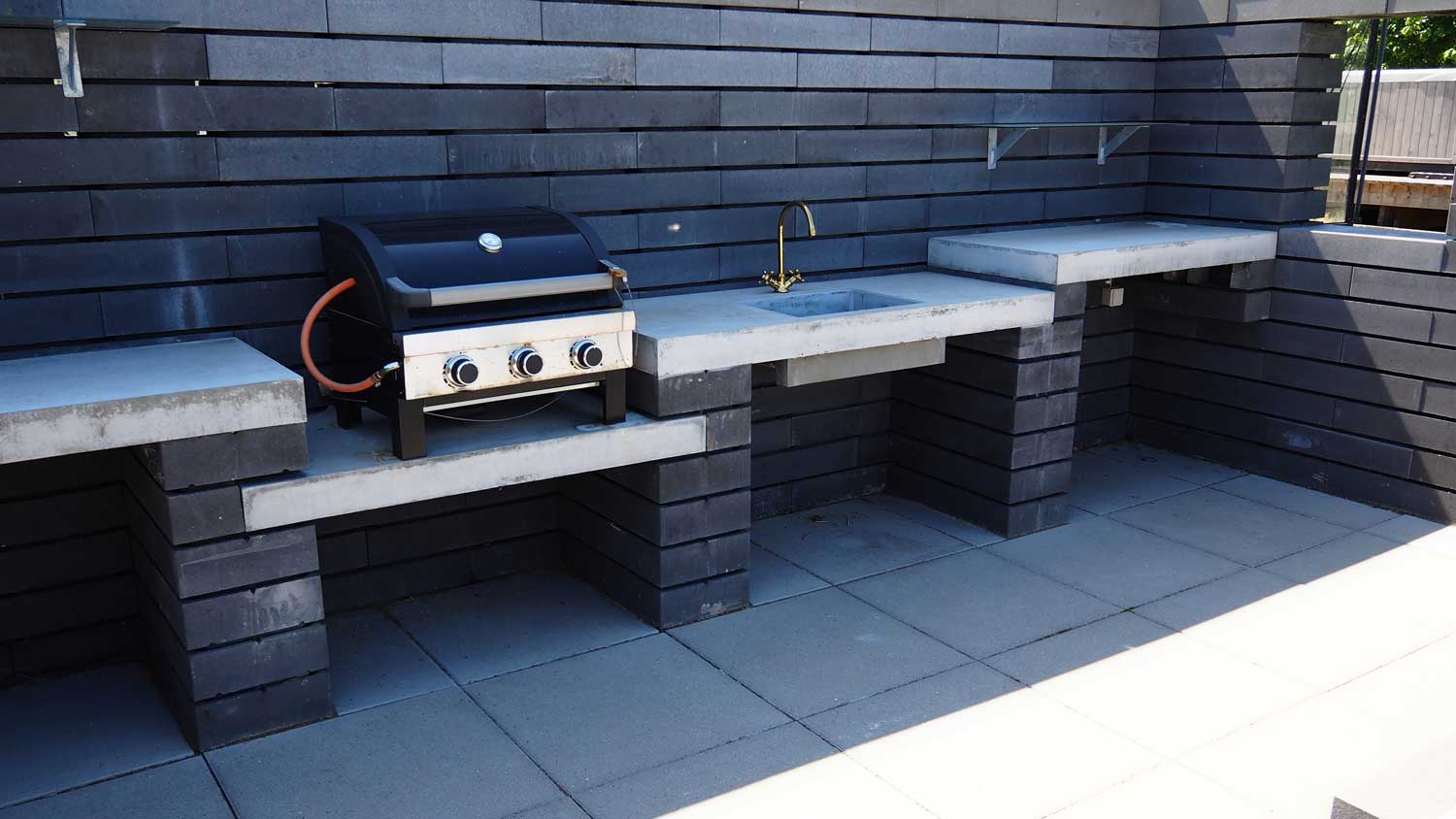
Planning a new outdoor cooking space? Learn everything you need to know about gas grill installation costs, setup options, and how to hire a local pro.