"While my pro was efficient, and did a fantastic job assembling my grill, my only complaint would be he wasn't very personable, all business, which is fine, but he should work on his social skills a little"
"Its been over 4 months and counting and my family is still waiting for the ovens to be repaired. Dinner has been on the grill or in the microwave for over four months. I'd say the expense for purchasing an AHS home warranty was my dumb idea."
We take great pride in our experience, expertise, quality, and customer service that we provide to meet the consumer's needs. It is our mission to provide excellent workmanship and complete customer satisfaction, from the start to the completion of a project. In order to understand the needs and expectations of our customers, we take great care to work and communicate with every customer in a professional manner. Our reputation is based on service, safety, and quality, regardless of how large or small the job.
Your local and reliable resource for handling your home's to-do list. Let us tackle these time consuming tasks, so you can use your free time to enjoy your home. We offer you the peace of mind you deserve by being insured, licensed, and professional.
DIY is not recommended due to safety concerns. Professional installation ensures proper connections and compliance with codes.
Local codes often mandate specific fittings, permits, and vent considerations for permitted function and safety, which are enforced by professionals.
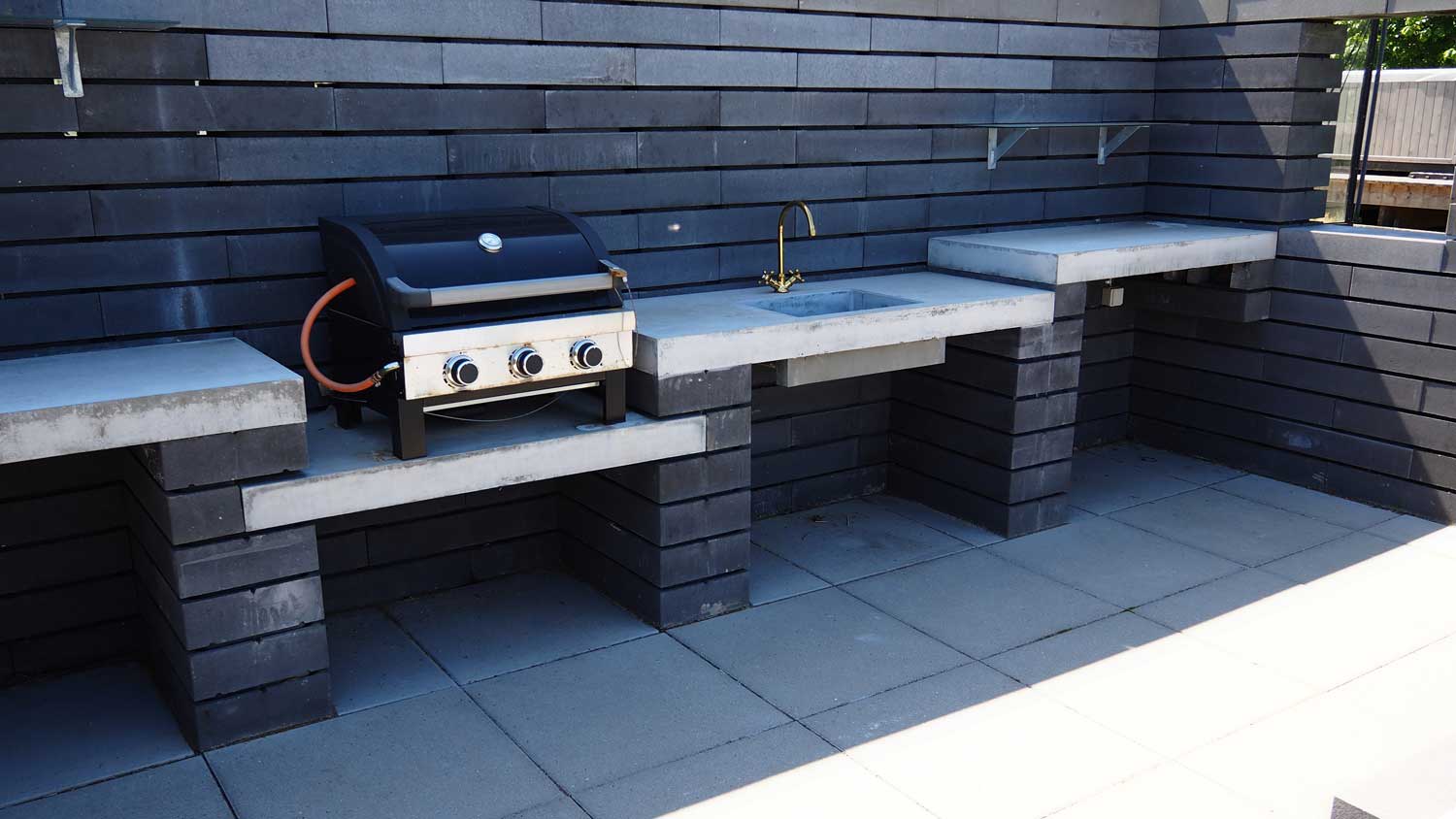
The difference between a built-in and regular grill is installation and design. A built-in grill is integrated into an outdoor kitchen or structure, often within a countertop or island. It is a permanent fixture. A regular grill is standalone, portable, or cart-mounted, allowing mobility and versatility in placement. Built-in grills are typically larger with more cooking space, while regular grills come in various sizes. Built-in grills are favored for creating a custom outdoor cooking area, while regular grills provide convenience and flexibility.
On average, a gas grill can last from five to 15 years. The exact lifespan depends on several factors, including the brand and quality of the grill, frequency of use, and whether the gas line is buried or above ground. With proper maintenance and care, such as regular deep cleanings to remove food, grease, and carbon deposits, a grill's life can be extended. Protecting the grill from the elements with a cover can also prevent rust and reduce the need for repairs. Most grill manufacturers also offer extended warranties, which vary in coverage and terms.
Yes, you can lay a gas grill flat during transportation. Laying it flat can help prevent it from moving around the truck during the journey. It’s still advisable to secure the grill with bungee cords, just in case.
The Howes, SD homeowners’ guide to gas grill installation services
From average costs to expert advice, get all the answers you need to get your job done.
Installing a gas dryer can help you save on your monthly energy bills. Depending on whether you need a new gas line, gas dryer installation costs will vary greatly.
Planning a new outdoor cooking space? Learn everything you need to know about gas grill installation costs, setup options, and how to hire a local pro.