We pride our company on reliability, great communication, integrity, and quality work. We are experts in our trade and will do our best to keep you as educated as we can on your particular task or project. We look forward to earning your business! Book with us online or feel free to give us a call today!
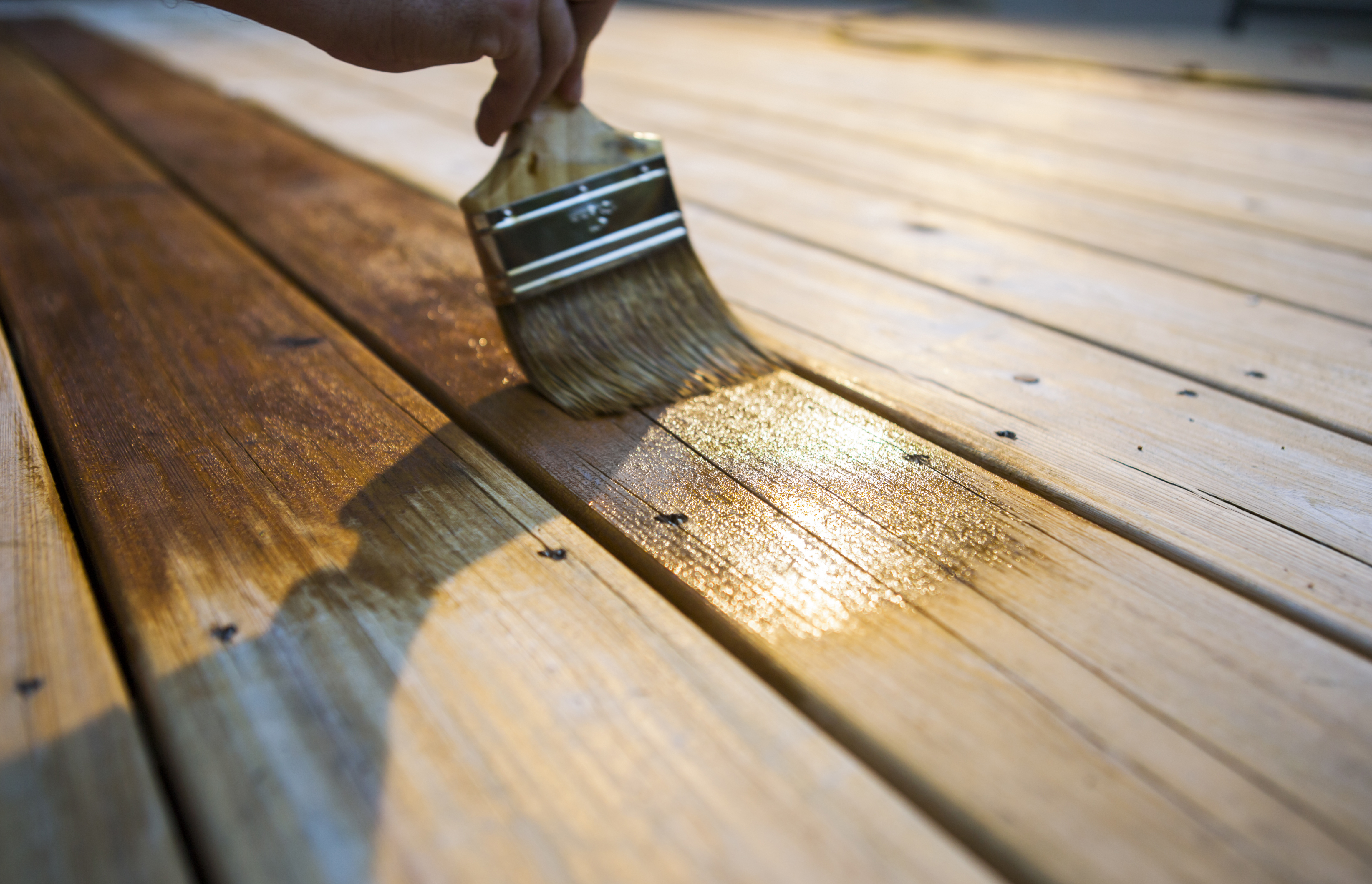
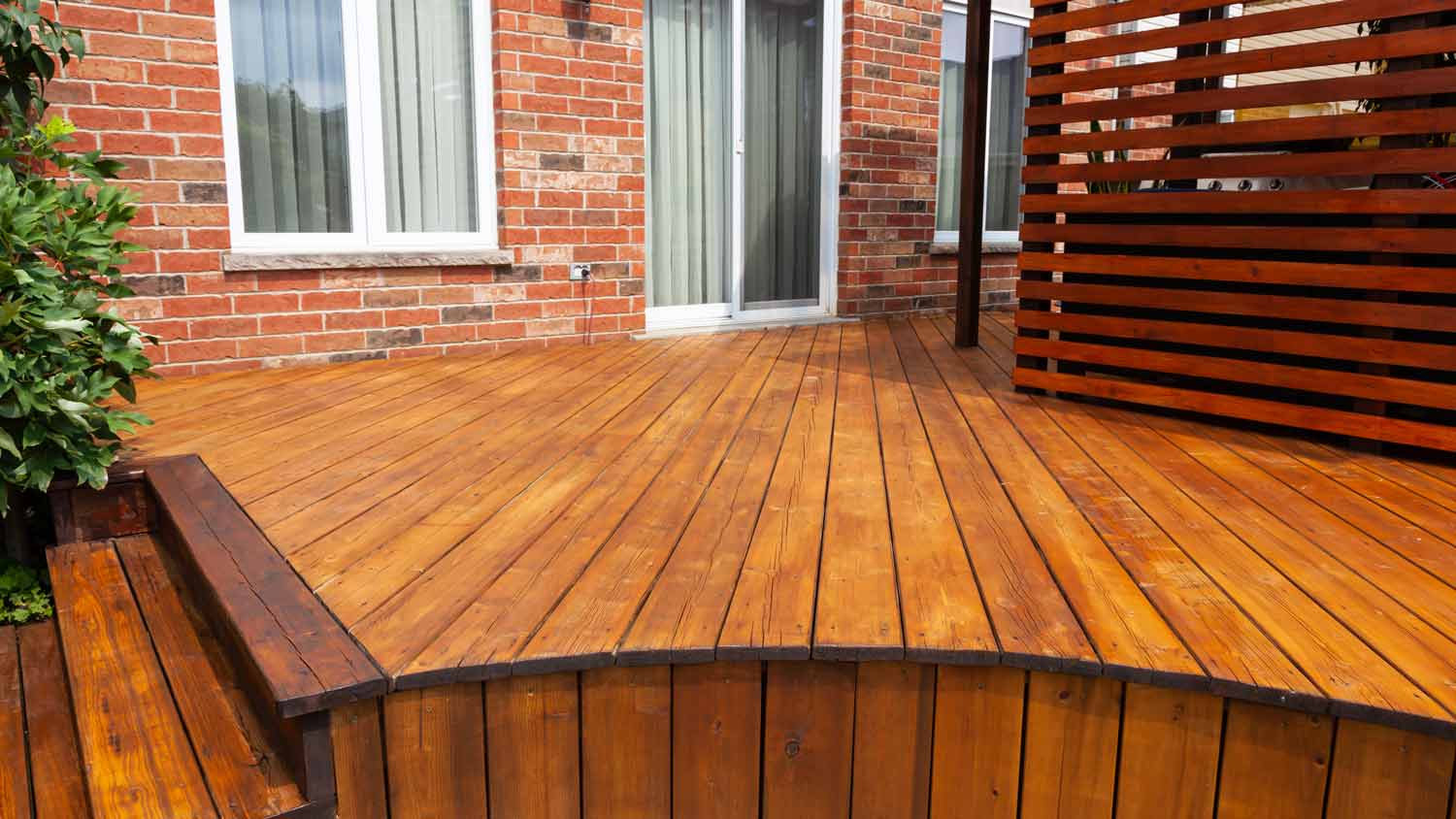
Fence and Deck Restoration \n\n\nAt Dakota Petriwood we specialize in exterior wood care. Our restoration services include cleaning, and sealing outdoor structures such as fences, arbors, decks, and play sets.\n\nRestoring is the key to protecting the woods natural beauty and original form.\n\nBenefits of sealing your fence:\n\nWaterproofs Wood \nExtends Wood Life\nMold, Mildew, and Fungus Resistant \nPrevent Cracking and Splitting, Rotting\nPrevent Carpenter ants, and Termites\n\n(Not Sold in Stores)\n\nCall us at 605-951-0045 or visit www.dakotapetriwood.com
There are approximately 5.33 board feet in a 2x4. You can use the board foot calculator in this article to easily find the answer. A 2x4 is 2 inches of thickness by 4 inches of width, so you need to find the length, with 8 feet being the most common. You’d use the calculator here to multiply 2 times 4 times 8, and then divide by 12, arriving at a total of 5.33 board feet.
If you have wood decking, there are several common deck problems that you might encounter. For example, your natural wood boards may fade over time due to things like sunlight, weather, and debris. On top of that, some types of wood decking can rot, grow mold, and attract destructive pests—including termites, carpenter ants, and woodpeckers.
Rot loves moisture, so deck rot typically impacts the parts of a board that stay wet. This includes the underside of boards, in addition to support posts and joists. However, any part of a board can rot, given the right conditions.
Routine cleaning, sealing/staining, and inspection prolong deck life and appearance.
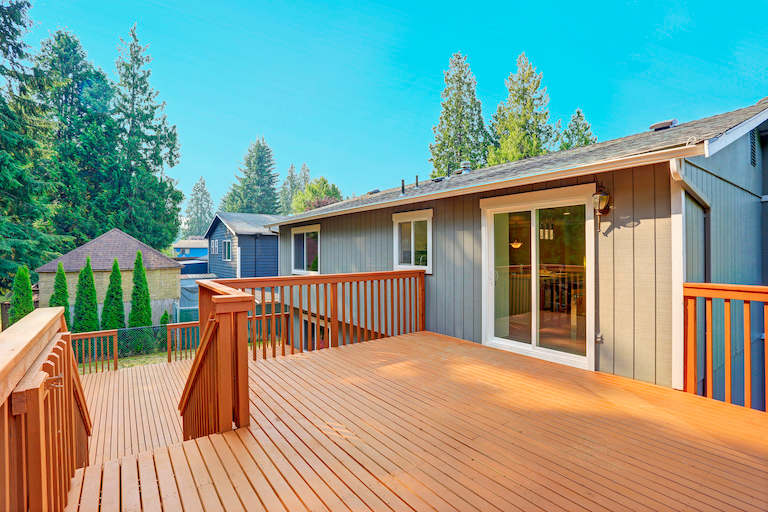
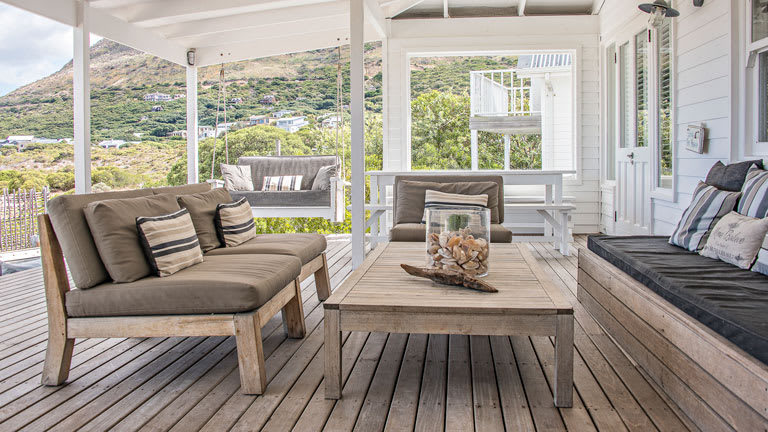
A covered deck can be a good investment that increases your home value—especially if you live in a hot region with a lot of sun. A covering over the deck means you can get more use out of it, even on the hottest summer days. With a permanent deck covering, you can even add ceiling fans to help cool down your deck for added comfort.
The Saint Francis, SD homeowners’ guide to deck cleaning services
From average costs to expert advice, get all the answers you need to get your job done.
Refinishing your deck is a great way to restore its appearance and fall in love with your outdoor space. Use this guide to learn how much it costs based on factors like size and type.
Learn how to clean a deck before staining to ensure long-lasting adhesion, weatherproofing, and optimum appearance of this coloring and protecting treatment.
Deck maintenance is vital to protecting a wooden deck. Cleaning, staining and sealing a deck after pressure washing will add years to its lifespan. Protect a deck by following these deck maintenance tips for cedar and other types of wood materials.
Knowing how to clean and seal a deck can help extend its life and keep it looking like new. This DIY guide sheds light on the best way to clean a wood deck.