





Top-rated deck repair pros.

Best deck repair pros near Gordon, NE

Enter your zip and get matched with up to 5 pros

Need a pro for your deck repair project in Gordon, NE?

Select your specific project to find the pro for you.

Top-Rated Deck repair pros in Gordon - Updated Nov 2026

Deck Repair FAQs, answered by experts

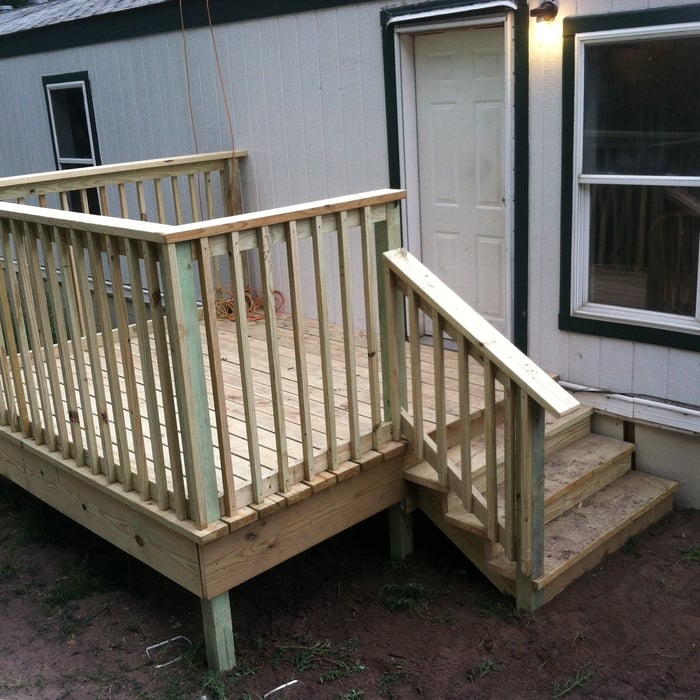
The proper height for a stair riser or deck step is between four and seven inches, with seven inches often considered the most comfortable. Building your stairs to this height ensures a strain-free step position and minimizes the risk of trip and fall injuries. For optimal safety and comfort, especially on deck stairs, a rise of around seven inches should be paired with a tread depth (or run) of at least 10 to 12 inches. While it is possible to design stairs with risers up to 12 inches, this height can be challenging for children, pets, or individuals with mobility issues. Always check with your local building codes, as they may mandate specific dimensions that differ from these general recommendations.

In most cases, your deck will need some form of deck footing to hold it in place, preventing moisture from rotting your wood and decreasing your deck’s lifespan. Concrete deck blocks are the most common type of footing for floating decks. Some homeowners use ground-level deck footings. For added security, consider digging and laying your ground-level footings below ground.

Composite decking requires a solid foundation or substructure for support. This base is typically a frame composed of posts, beams, joists, and footings. The frame can be built from various materials, such as composite, plastic, timber, or metal, depending on your budget, deck type, and environmental conditions. For maximum stability, a professional deck builder may recommend installing this frame on top of a solid concrete base. It is best to discuss the most suitable substructure design and materials for your specific project with a professional.

Decks require several inspections during and after the building process, but the specifics vary depending on where you live. Most areas mandate that decks comply with local building codes and safety regulations for the foundation, framing, and structure. Some pros recommend a footing inspection, which verifies the depth, width, and location of the various footings to ensure they offer enough foundational support.

Most building codes require that spindles or balusters on deck and stair railings be spaced no more than four inches apart. This safety standard, often called the '4-inch sphere rule,' is designed to prevent small children or pets from slipping through the railing. A good way to visualize this is that a 4-inch sphere should not be able to pass between two spindles. For the same safety reason, the space between the bottom rail and the deck floor should also be no more than four inches. As a general guideline, professionals often install three balusters per foot of railing. However, since specific requirements can vary by location, it is crucial to check your local building codes to ensure compliance before starting your project.

The Gordon, NE homeowners’ guide to deck repair services

From average costs to expert advice, get all the answers you need to get your job done.