If you want to take the decomposition process into your hands to speed it up, water and sunlight are key. Of course, you can’t control sunlight yourself, but you can rake leaves into piles in sunny spots in your yard. In terms of using water, you can also moisten the decomposing leaves with water, whether by pouring some from a watering can from time to time or using a hose to moisten them.
While tipping junk haulers is not required or expected, it is a greatly appreciated gesture for a job well done. Many junk removal companies state that tips are welcome but not mandatory. A good rule of thumb is to tip between 10% and 20% of the total bill, or a flat amount of $10 to $20 per worker. For exceptional service, a tip of $20 to $50 for the entire crew is also appropriate. It is often best to give cash directly to each worker at the end of the job.
Consider tipping if the crew:
Goes above and beyond your expectations.
Handles heavy, bulky items or navigates difficult spaces like tight hallways or stairs.
Works in inclement weather or deals with potentially hazardous materials.
Takes extra care to protect your home and property.
Accommodates a last-minute scheduling change.
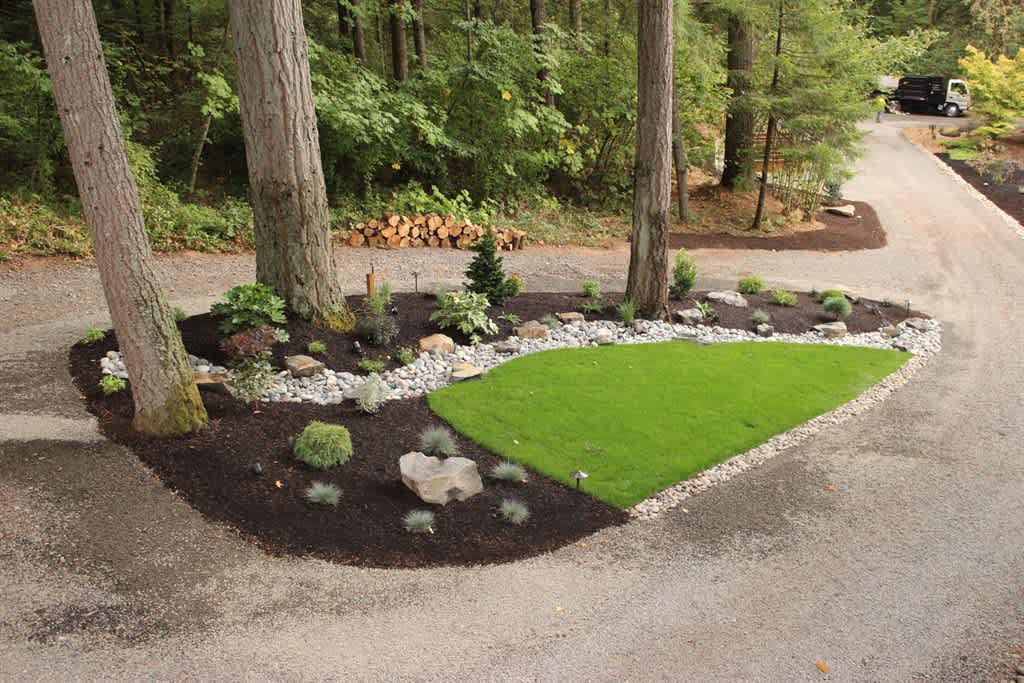
Yes, you can absolutely make your own mulch, and there are a few ways to go about it. First, you can lay down pine needles or mulched leaves if you’re mulching in the fall. In the spring and summer, you can use mulched grass clippings. Alternatively, you can lay down a few layers of newspaper in your garden and gently wet the paper to keep it in place.
If you want to remove a bush that’s located on top of utility lines, you’ll need to call your local utility company to determine the best course of action. If you can’t dig out your stump its roots, cutting a bush off at ground level might be the best you can do. Adding a planter over top of the cut branch or planting something else around the stump can cover the area while the stump decomposes.
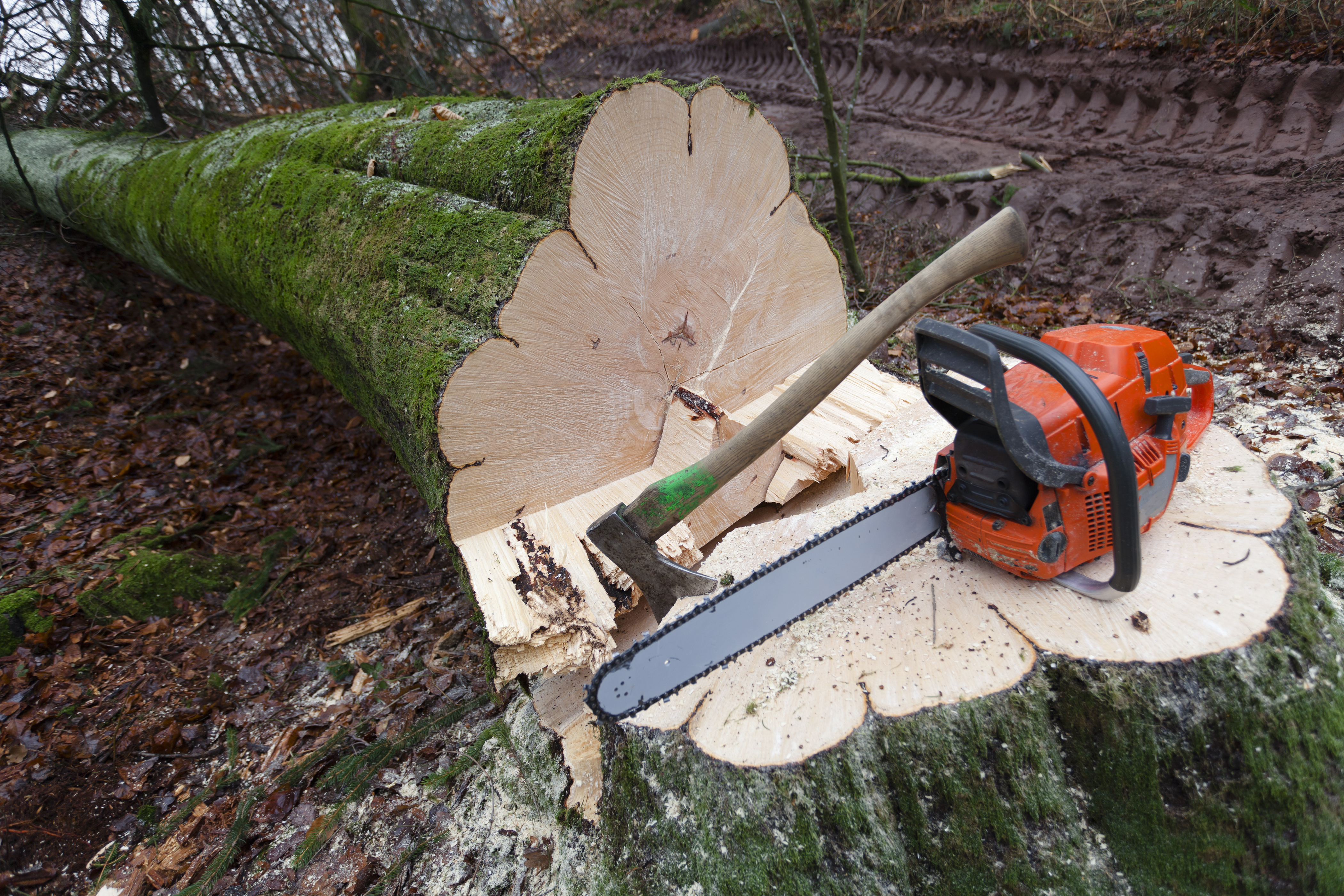
The easiest way to remove bushes is first to cut the bush down. You may need to use a handsaw, pruning shears, or a chainsaw for thicker branches. Once you’ve removed most of the branches, you can then cut the base of the shrub as low to the ground as you can get. Then, with a shovel, dig around until you expose the roots. Dig out the roots, being careful not to leave any roots in the soil.
The Parmelee, SD homeowners’ guide to brush chipping services
From average costs to expert advice, get all the answers you need to get your job done.
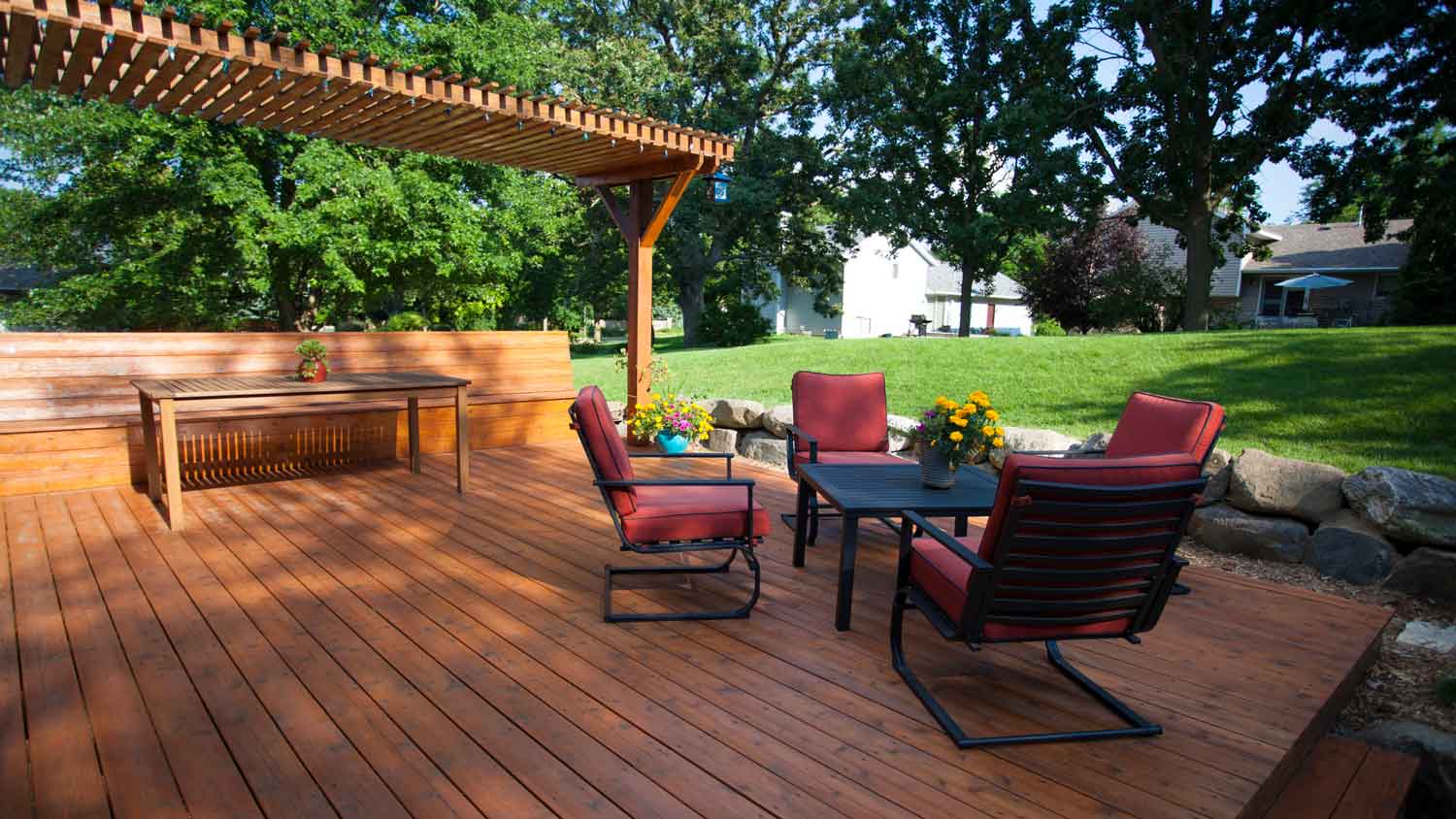
If your painted deck is less than appealing, it's time for a refresh. DIY your paint removal from your deck to enjoy your outdoor space for many seasons.
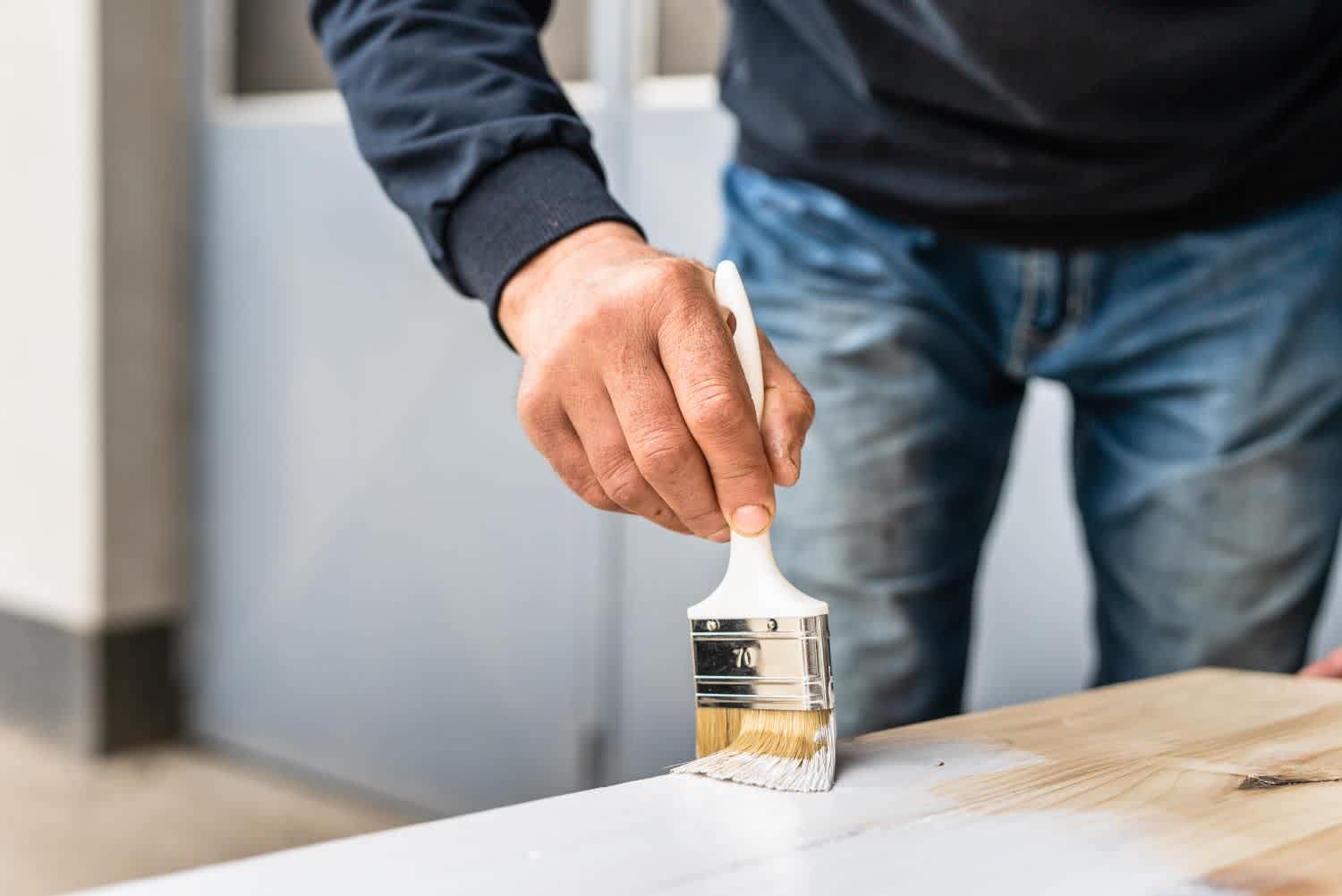
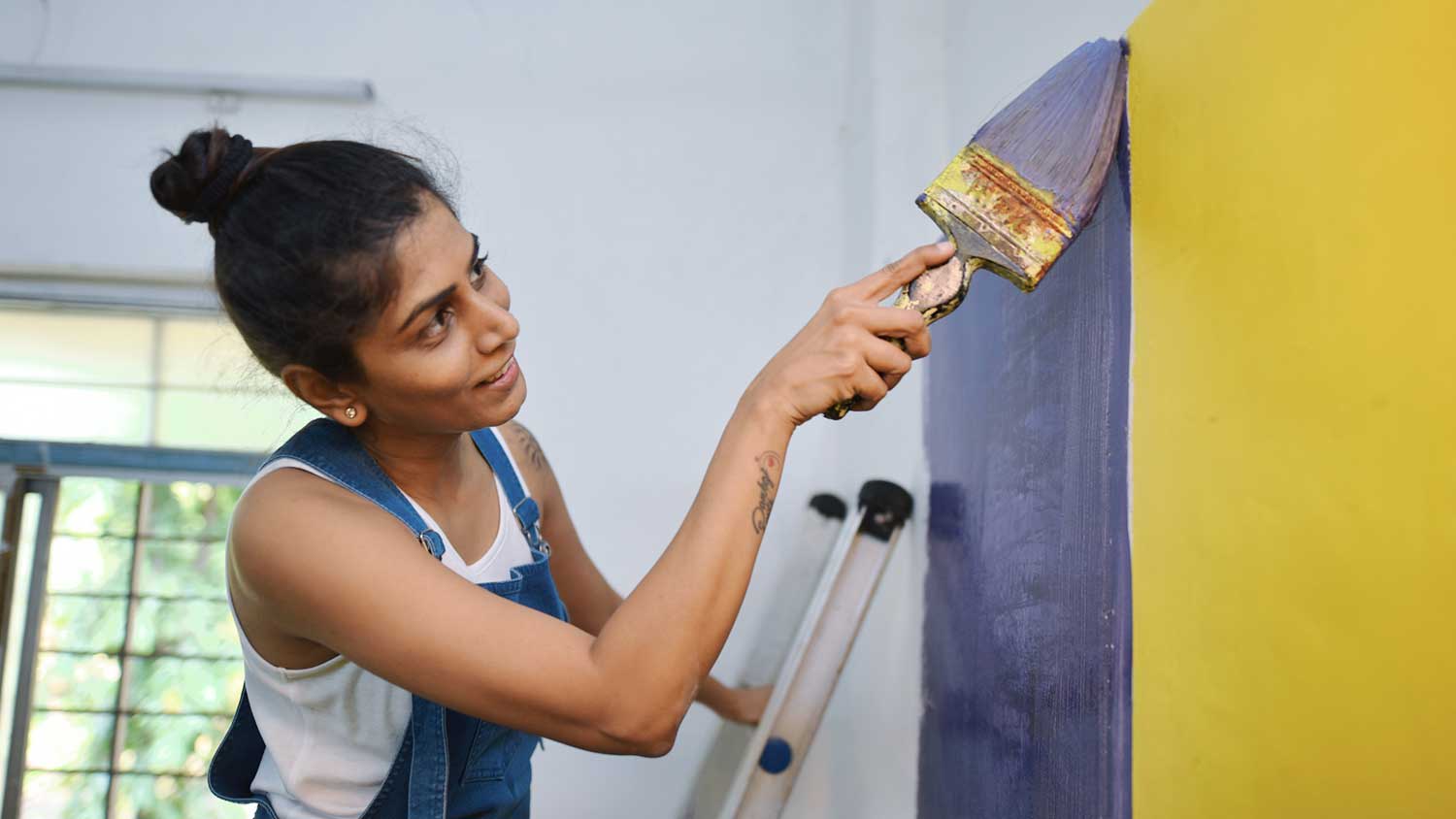
Cleaning the latex paint from your brushes is the easiest part of the entire painting process when you have the right tools and techniques. Find out how to clean your brushes like a professional painter with these three simple tips.