"When no one locally even responded to my inquiries for a quote, Michelle got back to me the same day with a quote and description of how the repair would be done. It's a slight downside to have to ship one glove coast to coast for a minor repair on one finger. But the cost of shipping and the repair is much less than purchasing another $100 pair of gloves! The repair took a little longer than anticipated, but shipping time had to be factored in as well. Michelle was very prompt with communications during the process. Cost of service below did not include shipping which was about $16 round trip. The glove returned good as new...well as good as it's pair. The glove is two years old. But the seam was totally resewn and reinforced. Michelle stated she did not want to the issue to happen again. I hope it won't. The problem started with my fingers rubbing. Very happy with the service from Premier. I wish they had a shop in Maryland!"
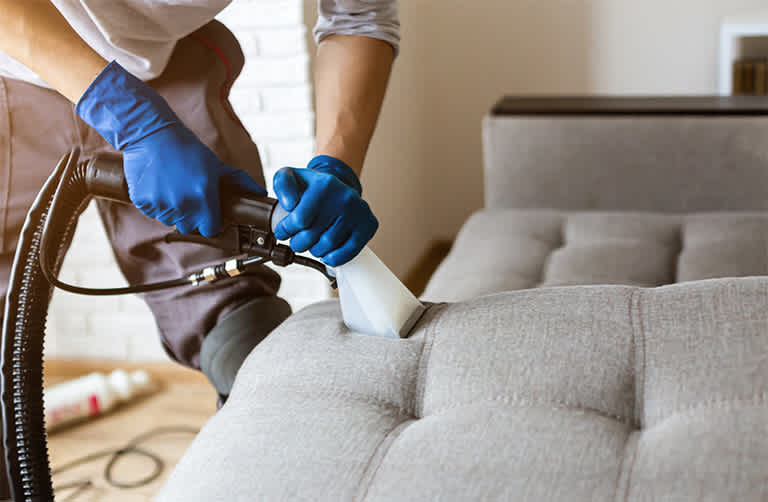
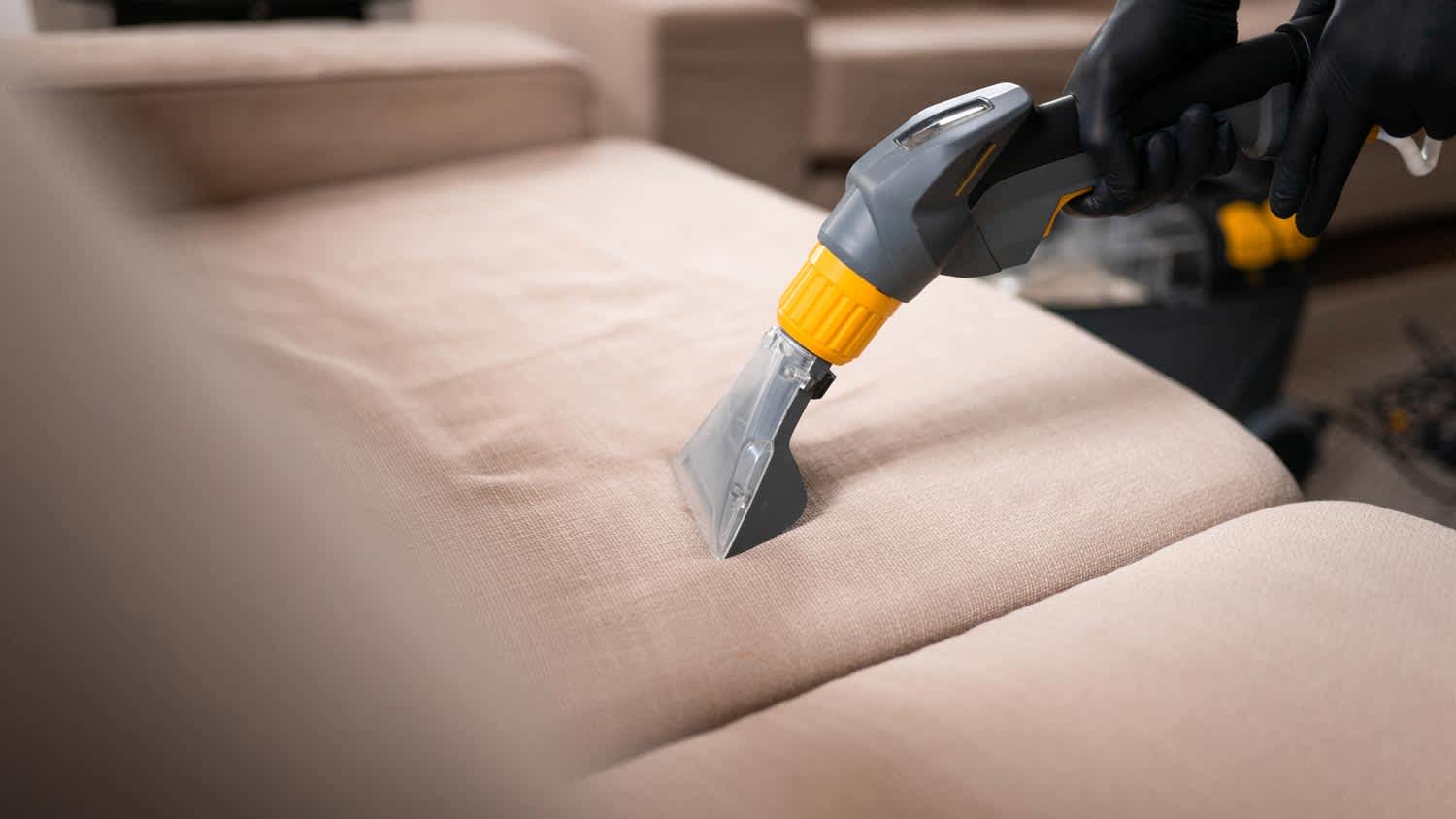
The time it takes for a professional to clean upholstery varies. For a single piece of furniture, you can generally expect the process to take between 30 and 60 minutes. However, the duration depends on the item's condition and material. Cleaning small, isolated stains may be quicker, while heavily soiled or delicate antique furniture could take up to three hours. For a room full of furniture, the process might take a couple of hours. Your cleaning expert should be able to provide a more accurate time estimate before they begin.
Ongoing maintenance of your leather furniture is the only way to prevent it from peeling and cracking. Real leather will peel and crack as it dries out. Leather conditioners are a great way to protect your leather furniture from drying out, and you’ll need to apply it about twice each year. It’s also a good idea to keep abrasive materials away from your leather to prevent cracking and peeling, including belt buckles, shoes, and multi-surface cleaners, especially those that contain alcohol.
To maintain your mattress and keep it fresh, you should aim for a deep clean at least twice a year. However, if you have allergies, pets, or sweat heavily at night, you may want to clean it more frequently, such as every three to four months. In between deep cleanings, it's a good practice to vacuum the mattress surface regularly and spot-clean any stains as they occur. Using a mattress protector can significantly help by minimizing the buildup of allergens, dust mites, and bodily fluids, which can make your cleaning routine more effective. Remember to launder the protector regularly, as some dirt and sweat can still get through to the mattress.
While they both help to penetrate tough fibers and have similar designs, there is a difference between an upholstery cleaner and a carpet cleaner. Carpet cleaners are much tougher on stains and use much more concentrated solutions, while upholstery cleaners are a bit softer on fabrics and use lighter solutions. While an upholstery cleaner may work on a carpet, your carpet cleaner might be too rough on your upholstered furniture.
Yes, mold on wood furniture can be dangerous, especially if it is identified as black mold. Inhaling spores or touching mold can make some people sick with respiratory issues, skin rashes, and eye irritation. However, some people have mild or no symptoms after exposure to mold. If you are going to clean mold off wood furniture, you should wear protective equipment to avoid direct exposure.
The Lemmon, SD homeowners’ guide to upholstery cleaning services
From average costs to expert advice, get all the answers you need to get your job done.
Wondering how much it costs to rent an upholstery cleaner? Get prices, cost factors, and money-saving tips for your next DIY upholstery cleaning project.
Mattress cleaning cost depends on the number of mattresses being cleaned and the size of each. Use this guide to better understand mattress cleaning prices.