

The cost of a mold inspection might seem high, but it’s one of the best investments you can make for your health and home. Read on to learn cost-saving tips.
Keep mold from getting comfy on your upholstered furniture


While hiring a professional to remove mold from fabric furniture costs $10 to $25 per square foot, a pro can fully remove the mold.
Removing mold can lead to respiratory problems, allergic reactions, asthma attacks, and other health problems, making it a potentially dangerous DIY project.
A mold removal pro has the skills and experience to correctly identify the type of mold on your furniture and remove it.
Mold removal from fabric furniture requires eye, nose, and mouth protection, cleaning supplies, and the right cleaning solution, which can add up in price if you don’t have them already.
Incorrectly removing mold from fabric furniture can cause mold spores to enter the air and spread to other areas of the house or irritate your respiratory tract.
After a long day, you may look forward to curling up on your couch, or in your favorite armchair to relax. But, if your fabric furniture has been exposed to damp conditions for an extended amount of time, something else may be making itself at home—mold. Before you junk a moldy upholstered piece of furniture, know that you may be able to save it. Use these tips to learn how to remove mold from fabric furniture.
Gathering the supplies is the first step in cleaning mold off fabric furniture. You’ll need a cleaning solution, rubber or latex gloves, eye protection, and a face mask. You’ll also need a spray bottle to dispense the cleaning fluid and a brush, sponge, or washcloth to wipe the material clean.
You can choose between the following homemade cleaning solutions: vinegar and water, hydrogen peroxide and water, or bleach and water.
Do not mix vinegar with hydrogen peroxide or bleach. Mixing vinegar with hydrogen peroxide creates a toxic chemical that can irritate your skin and eyes. Combining vinegar and bleach can create a toxic chlorine gas.

Mold thrives in damp conditions, so if a piece of fabric furniture is left out in the rain or stored in a humid environment, mold spores can move into the fabric and take up residence. While every mold species has its preferred environment, the fibers of upholstery and the cellulose of wood furniture make inviting homes for various types of mold.
The air around you is full of mold spores, but mold doesn't usually become a problem until humidity levels reach 60%, which is why keeping your home's humidity level under 60% is ideal. Where you keep your furniture also matters. If you place an easy chair or couch under a leaky pipe in the basement or leave upholstered outdoor furniture out in the rain, mold can take root.
If your furniture is moldy, you'll most likely be able to see and–potentially–smell it, as mold spores produce a musty odor. Since mold can be an allergen or irritant, don't lean in too close to your furniture to smell it. Instead, keep your distance and note if you detect a musty smell in the air.
Molds come in a rainbow of colors, from pink to green and black to white. The color of mold indicates the species and often the age of the mold spores. Any type of mold can be bad for your health, so don't worry too much about the specific color. Regardless of the color, mold will usually have a fuzzy appearance, similar to velvet.

If you see a patch of mold on your furniture, you may be able to clean it up yourself. Several types of cleaning products work to remove mold, and will skill any mold spores on fabric. Be sure to always wear gloves, goggles and a safety mask to protect yourself when working around mold.
Since the sun can help kill mold, try to clean any moldy furniture outside on a sunny day. You will start by vacuuming the area of the furniture that has visible mold to remove the mold spores from the surface.Use a vacuum with a good filter, so the mold doesn't release into the air.
Vinegar is an excellent mold killer and a relatively affordable and safe option. Combine one part vinegar and one part water in a spray bottle, then spritz over the moldy area. Sponge down the area to remove the mold, and to ensure the vinegar soaks into the fabric.
Once the mold is gone, spray the area again with clean water to rinse the vinegar away. If you can remove the upholstery from the furniture, do so and toss it in the washing machine to clean it.
Hydrogen peroxide will also kill mold on fabric. You can either use an oxygenated bleach powder mixed with water, per the instructions on the package, or a 3% hydrogen peroxide solution, which is the concentration you're likely to find on a drugstore shelf.
Pour the peroxide into a spray bottle and spritz the moldy area with it, or use a washcloth or sponge to dab the peroxide onto the fabric. Let the peroxide soak into the fabric for about one hour, wipe it with a sponge to remove the mold. Rinse with water and dry.
Similar to the vinegar solution, once you've rinsed away the peroxide, you can try washing any removable cushion covers in your washing machine.
Bleach will also kill mold on fabric, but isn't suitable for all fabric types, since it will remove dyes and colors along with the mold. Check the tag on your furniture to confirm that bleach is OK to use before proceeding.
If bleach won't harm your fabric, combine 1/2-cup of bleach with 1 quart of water, then pour the solution into a spray bottle. Spritz on the moldy area and let it soak for 15 minutes. Use a sponge to wipe the area and remove the mold, then rinse the fabric to remove the bleach.

The best way to prevent mold from growing on your upholstered furniture is to keep your furniture in a dry area with good airflow. The following tips can help:
Use a dehumidifier to keep the relative humidity indoors under 60%.
Store outdoor furniture under a cover, especially when it rains.
Clean up any spills on the furniture right away, being sure to dry the area.
If storing your furniture, keep it away from pipes or leaky areas.
You can remove mold from furniture on your own if the moldy area is small and doesn't cover the entire piece of furniture. If the mold covers a large area, or you suspect that it may be growing throughout your home, calling a pro who handles mold removal is the way to go.
A local mold removal company will inspect your home, determine the source of the mold, the extent of it, and recommend a treatment plan. For large areas of mold, hiring a professional is much safer and more effective than trying to DIY.
It doesn't cost much to correct a small mold problem, especially if you're able to clean the furniture yourself. You'll only need to buy the cleaning product, which you may have already.
For a bigger mold remediation project, the cost increases considerably. The average professional mold remediation cost is over $1,100. Don't be scared away by the cost, though. Professional mold removal is often the safest and most effective option, making it worth every penny.
Stephanie and her crew did a fantastic job. She cleaned the mold in my basement and under my kitchen sink. The area smells so good. I need her to do another cleaning next month. She agreed. Can’t wait. Thanks!
 FIRST RESOLUTION CLEANING SERVICES LLC
Project involved cutting down a Holly tree and trimming another tree on my property. Great customer service and responsiveness in bidding for and competing the project.
 STL Tree Services, LLC
Jade and her team cleaned my home on Christmas Eve! They worked so hard and left everything sparkling and super clean. Thank you so much and Happy Holidays!!
 EadsCo Cleaning
I have used Eric on several occasions. Each and everytime he goes above and beyond to ensure that the job is done right. Even taught me a few things to help maintain my system. Iâ ll never call another tech again.
 Eries Heating & Cooling, LLC
They were very reliable and cudious. They took care of all my needs. I had a couple extra things that needed to be done and they took care of it! They showed up on time and were very professional.
 ACCUTREE LLC
Scott Anderson arrived on time and explained everything to me. He performed the Power Washing of my house in a professional manner; removing all dirt and mold. I am very pleased with this contractor.
 Clean Roof and Powerwashing
They were very polite and did the job correctly , thanks up and away junk removal
 Up and Away Junk Removal
Very professional. I was contacted and testing was completed the same day.
 AC Environmental, Inc.
Job was completed without any problems.
 Anton's Plumbing, Heating/Cooling & Energy Experts
Steve was very prompt and courteous. He was also very knowledgeable. I would recommend him to anyone that has a mold problem,
 The Mold Consultant
From average costs to expert advice, get all the answers you need to get your job done.
The cost of a mold inspection might seem high, but it’s one of the best investments you can make for your health and home. Read on to learn cost-saving tips.
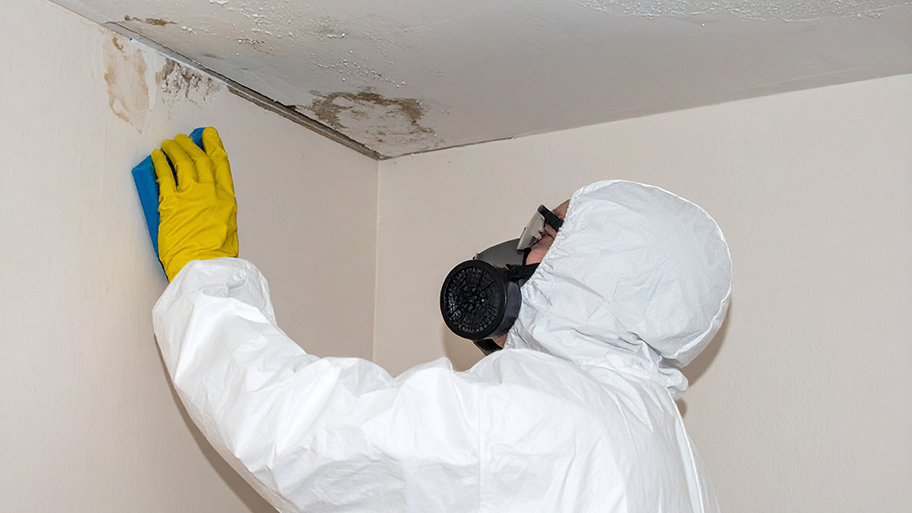
Mold remediation cost can quickly escalate. But if you have mold in your home, the cost for mold remediation is worth it.

If you aren’t sure what type of mold is in your home, keep reading for a detailed breakdown of white mold vs black mold to see if one or the other is the culprit.

Worried about mold in your central air conditioner? Learn how much it’ll cost to hire a pro vs. DIY this issue, and how to clean and disinfect your AC unit.
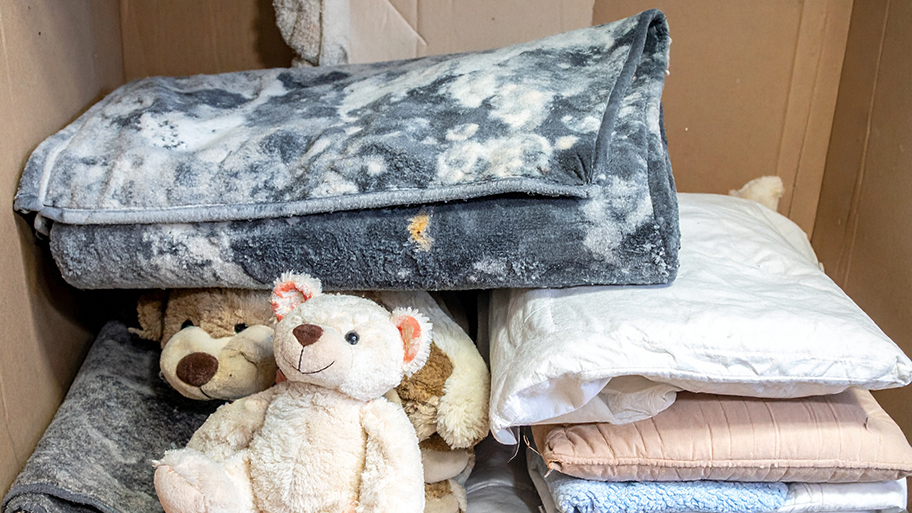
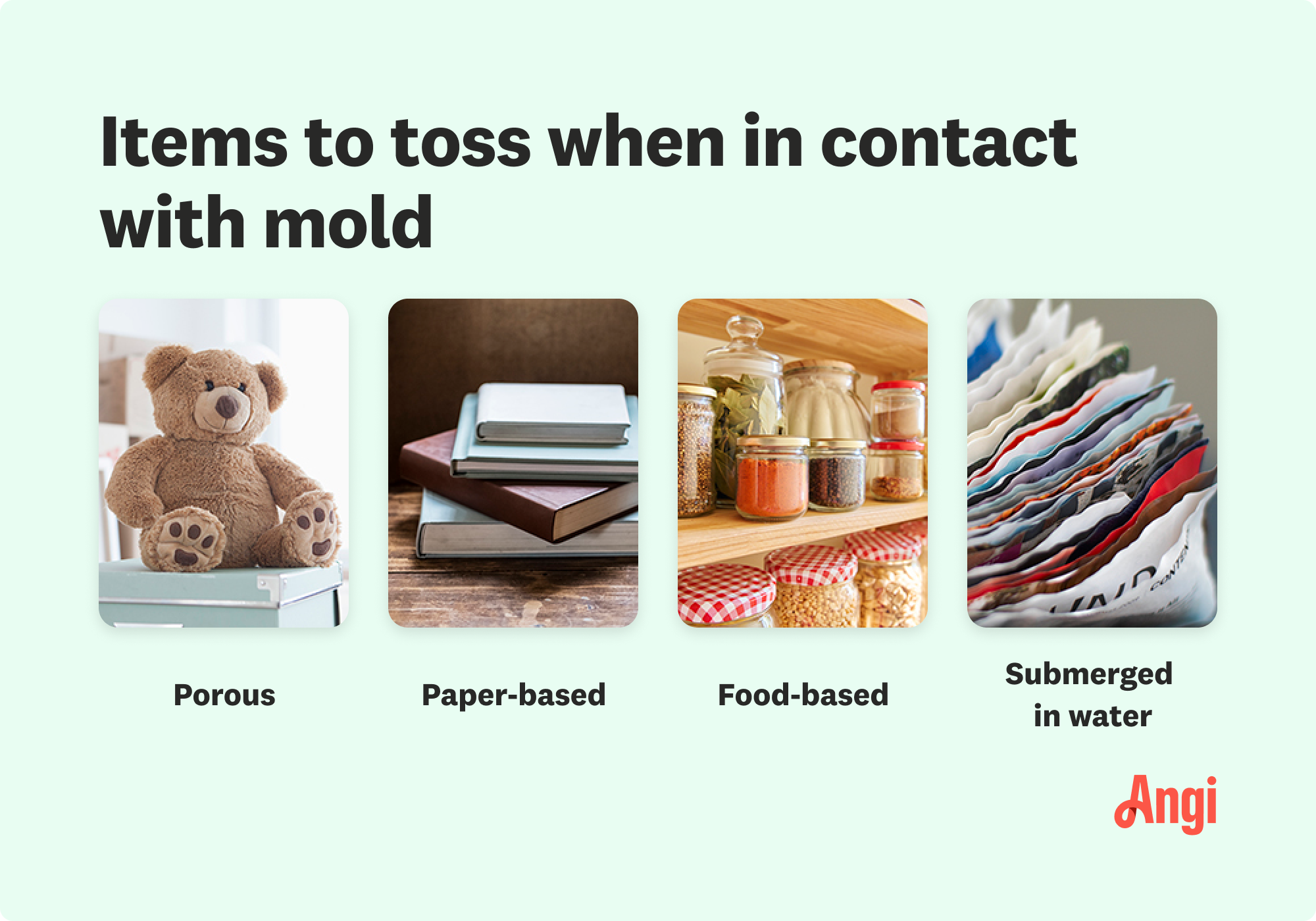
Mold growth in your home poses a serious risk to your belongings and health. But after mold removal, knowing which items to pitch and which you can keep can be confusing. This guide will help you sort everything out so you know what to save.
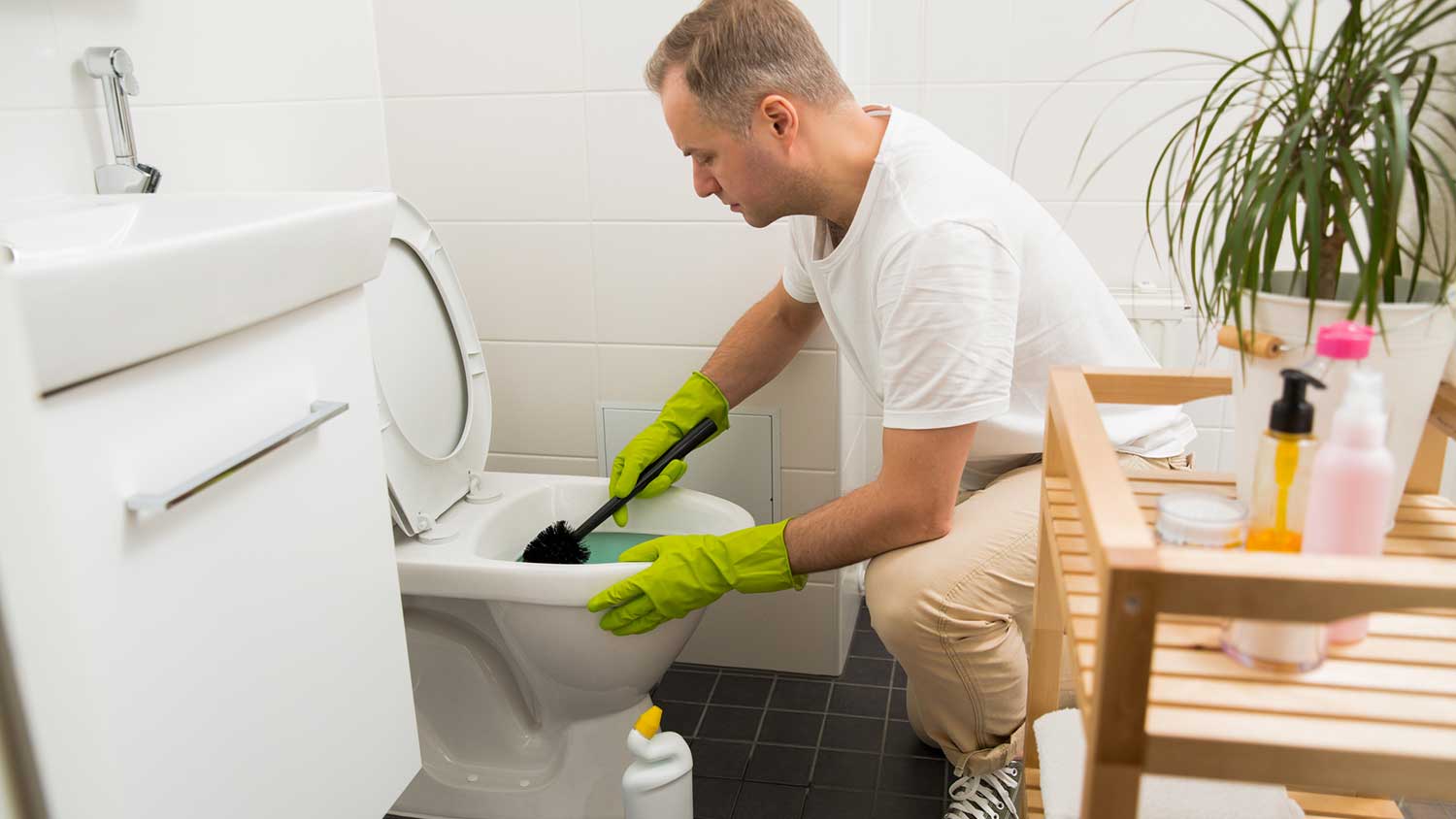
You’ve just opened your toilet to a slimy surprise, and now you’re wondering: Why is mold growing in my toilet? Here are the most common causes.