We're a local, family owned and operated business with 30 years of experience, so you can count on us to get the work done right the first time. From driveway overlays to car pathways, let the professionals at Bucks Paving Inc handle your residential paving work. Get a FREE estimates at 701-204-1587!
Driveway Sealcoating questions, answered by experts
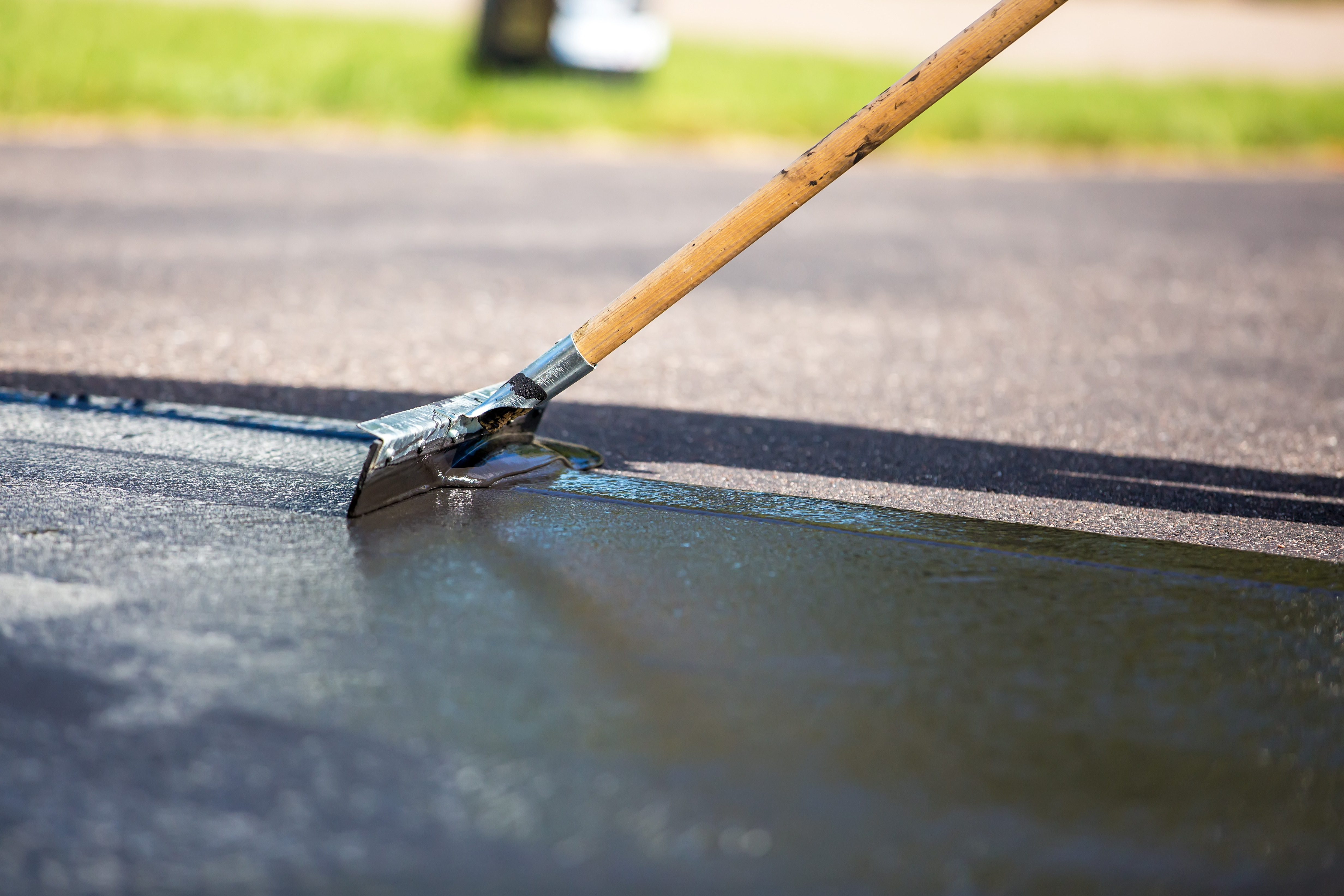
What causes driveways to crack can vary by driveway material. Sealcoating with the right formula creates a protective "shell" over a driveway. Resealing a driveway on schedule helps to preserve its lifespan substantially by keeping it protected against damage from UV rays, motor oil, chemicals, hail, rain, snow, and more. If you don't reseal your driveway, this will lead to brittleness, cracking, and potholes that can eventually cause your driveway to fall apart.
Regular sealing, drainage management, and debris removal help prevent asphalt deterioration, protecting and extending surface life.
Yes, with colored finishes and decorative stamping for a personalized touch.
A good asphalt maintenance schedule covers all the pitfalls that can happen to your asphalt. Just how often you should maintain your pavement will depend on the type of maintenance. Resealing your asphalt driveway should be done every three to five years. Cleaning is more of an annual task while repairing cracks and potholes comes in on an as-needed basis.
Regular sealing, crack filling, and professional inspections help extend pavement lifespan and prevent costly repairs.
The Britton, SD homeowners’ guide to driveway sealcoating
From average costs to expert advice, get all the answers you need to get your job done.
The cost of a tar and chip driveway falls between gravel and asphalt. Is this unique process the happy medium you've been looking for? Let's take a look.
The average driveway coating takes between 30 minutes and eight hours to dry, but weather and sealant type can influence the dry time. Read on to learn more.