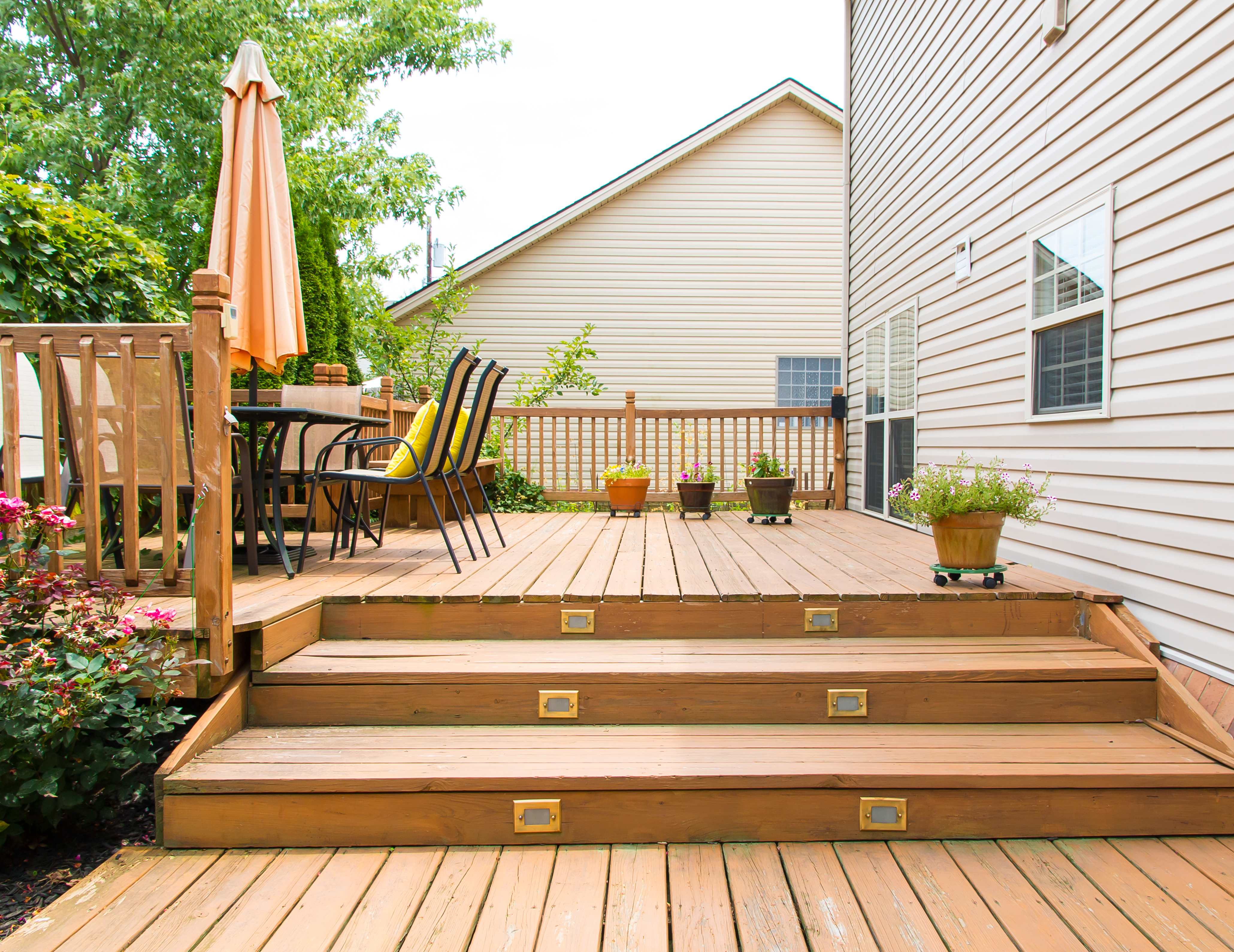
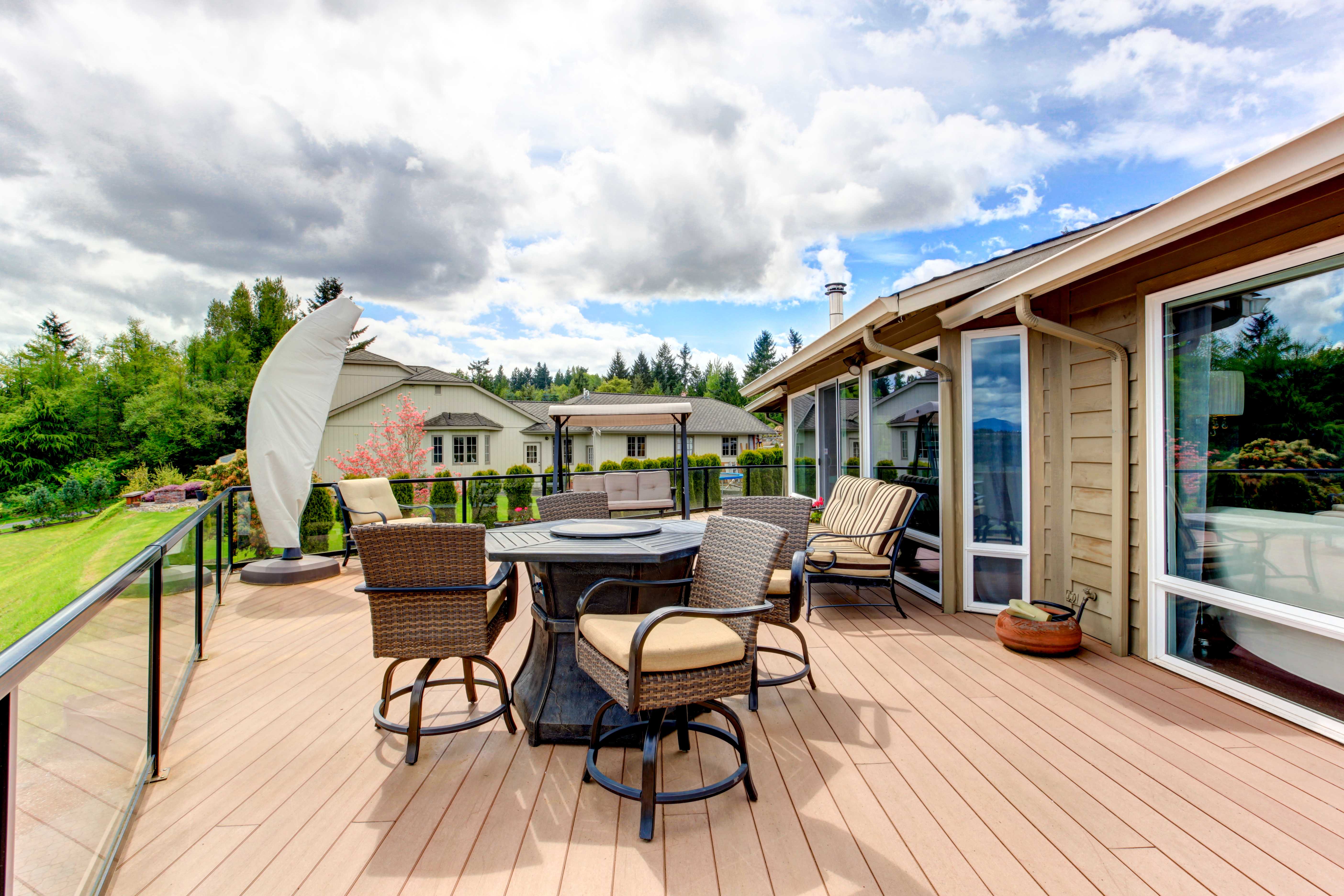
"Tony was a great guy to have come replace our deck! He was super friendly and he did great work. The deck looks amazing! Oh and I forgot to mention how efficient he was as well."
"They were very prompt in response to my contacting them. They arrived on time and quoted a reasonable price for the job. The work was done as promised for the amount quoted. Will definitely contact this company again if I need more work done."
We at Ancora Paintworks are a licensed independent contracting service with over 20 years of painting experience; this includes both interior and exterior painting. We take pride in our workmanship and strive to provide our customers with professional service and complete satisfaction. Ancora Paintworks will always assure that all cracks are caulked in and surface cleaned before any painting begins on your project. We strive every day to provide our customers with the best prices, exceptional service and the best trained painting contractors in the market today! The key to our success is the daily practicing of our mission statement�Professionalism�Dedication�and Commitment. These are attributes we strive to advance upon with every service we provide to our clients. Give us a try today for the best job and the cleanest job you have seen.
"Very professional, high quality work and fair prices. Work was completed in a timely manner and was very accommodating for some minor changes. Dependable, trustworthy and highly skilled. Highly recommended."
Here at Custom Cut Construction we are dedicated to providing you with exceptional customer service. We specialize in all areas of siding from vinyl to metal to wood we�ll be there to make sure it�s done right the first time. We can also take care of your framing installs and repairs as well as exterior paint work. We have just opened business this year and are backed by over 20 year�s experience. Please give us a call today and set up your free no obligation estimate.
Yes, beginners can use a paint sprayer, but there is a learning curve. It's important to go slowly, read the instructions thoroughly, and spend some time learning the technique. Watching tutorial videos for your specific paint sprayer model can be very helpful. Before starting your main project, practice on a scrap surface to get used to the sprayer and avoid common issues like overspraying, which can cause drips, bubbles, and other imperfections. For safety, always wear a mask and gloves, and be careful not to touch the sprayer's tip when it's in use, particularly with high-powered airless sprayers.
Many decking oils can help slow down algae growth, but they don't completely stop it. These oils work by sealing the wood, which reduces moisture and, therefore, algae growth. Some decking oils also help protect against UV damage, but they need to be reapplied according to the manufacturer’s instructions to ensure the decking stays protected.
Yes, they provide design insights that enhance space utility and visual appeal.
The best paint for an older deck depends on the material and whether or not your deck already has a coat of paint. Generally, if your deck already has paint on it, you should choose the same type of paint when repainting the deck. For example, if an old deck has oil-based paint on it, stick with oil; if your deck has water-based paint, choose water-based paint.
It is not always necessary to remove old stain before restaining a deck. If the previous stain is in good condition and is compatible with the new stain, you may be able to apply a new coat after thorough cleaning. However, if the old stain is in bad condition, flaking, or peeling, it is best to remove it completely to ensure an even surface and proper adhesion for the new coat. Staining over a damaged layer can lead to an uneven finish and poor penetration. For best results, test a small area first and consult the stain manufacturer's guidelines.
The Howes, SD homeowners’ guide to deck staining services
From average costs to expert advice, get all the answers you need to get your job done.
Cedar is a popular decking material, best known for its natural wooden look and resistance to rot. So, how much does a cedar deck cost? Find out in this guide.
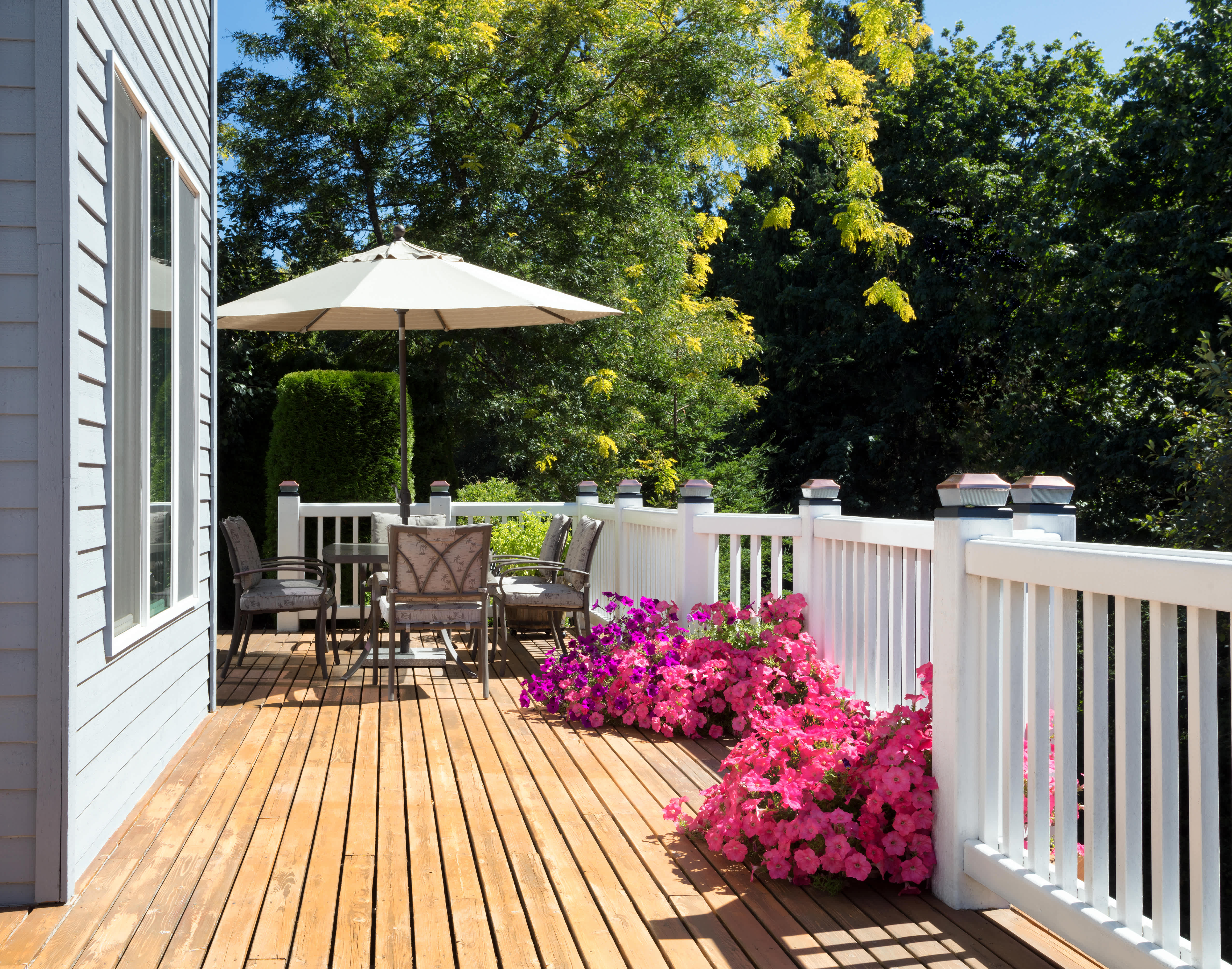
Planning a deck staining or painting project? Learn about finish options, average costs to expect, and how to hire the right local pro for your backyard.