"Very professional, high quality work and fair prices. Work was completed in a timely manner and was very accommodating for some minor changes. Dependable, trustworthy and highly skilled. Highly recommended."
"I only use James when I need some work done to my house. He responds fast, gets the work done quicker than just about anyone else I've ever used and seems very concerned with leaving his customers happy."
Here at Custom Cut Construction we are dedicated to providing you with exceptional customer service. We specialize in all areas of siding from vinyl to metal to wood we�ll be there to make sure it�s done right the first time. We can also take care of your framing installs and repairs as well as exterior paint work. We have just opened business this year and are backed by over 20 year�s experience. Please give us a call today and set up your free no obligation estimate.
David Ferguson's construction business is dedicated to quality and outstanding customer service. Our job is to provide you with quality service at a great price. Please don't wait call us today.
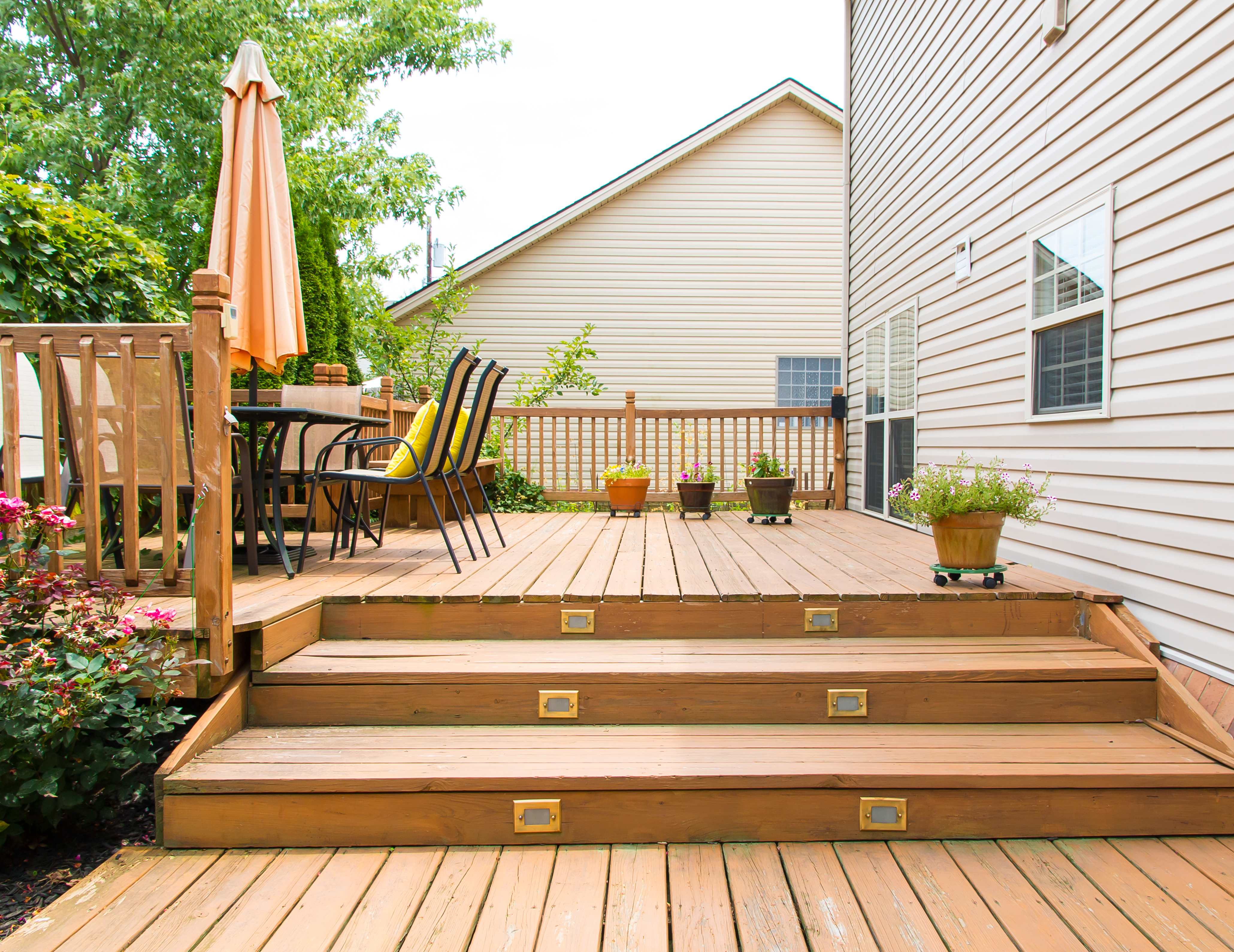
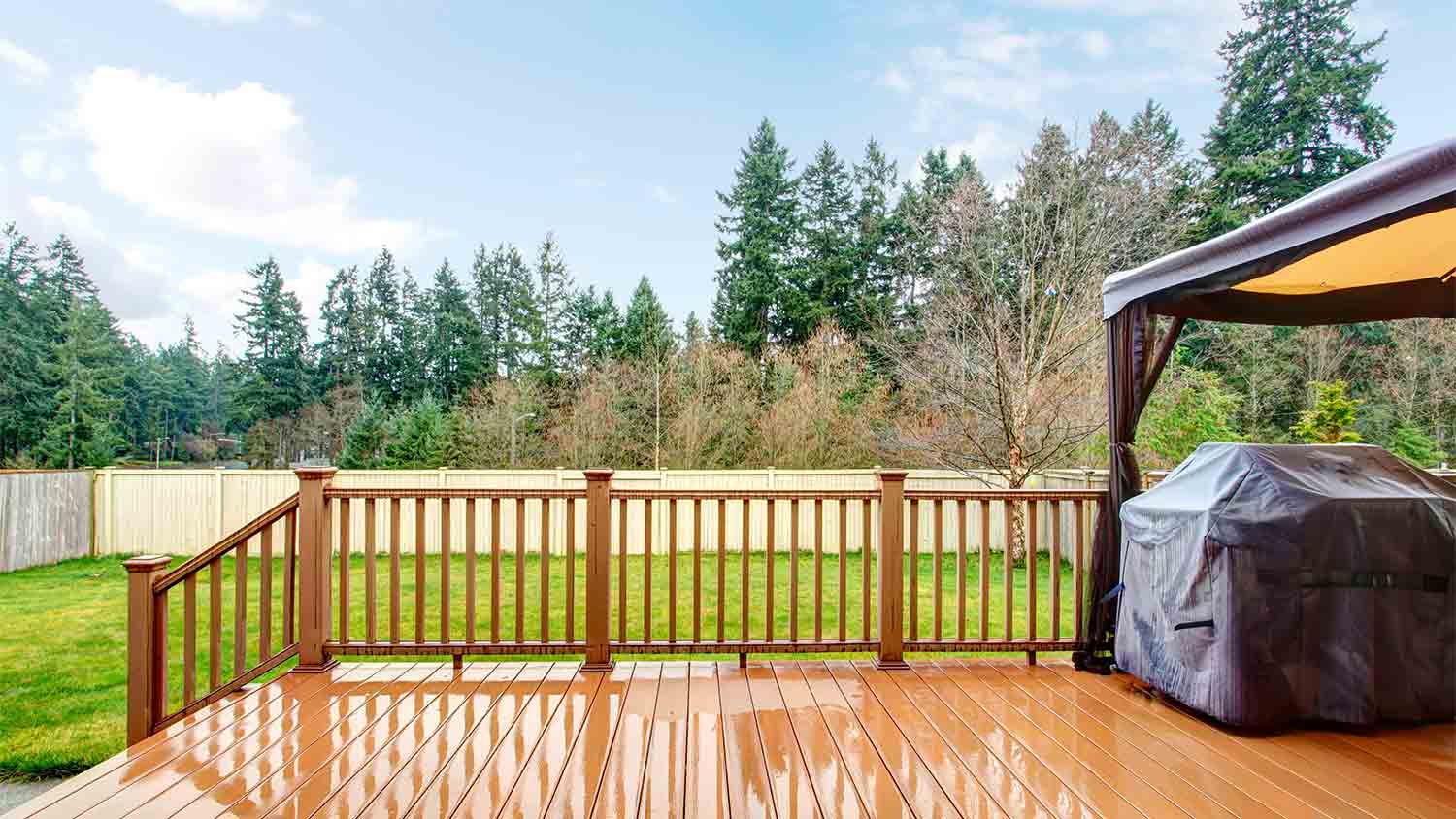
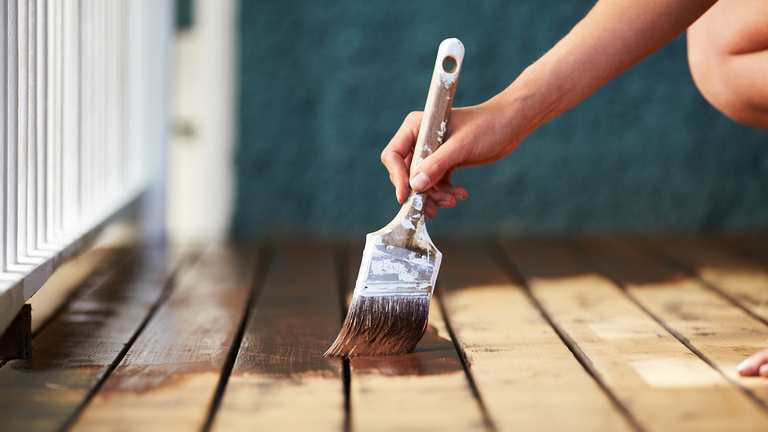
It's okay to walk on a newly painted deck after about four to six hours as long as the weather has been dry. Be sure to wait at least 24 hours before you place any outdoor furniture or grills on a freshly painted deck, though.
Adding a second coat of stain to wood can even out the color to some extent, but it won't drastically alter the hue if the initial application is too light or too dark. It's more effective at enhancing the richness of the color rather than significantly changing it. Ensure the first coat is dry before applying the second.
You’ll need to wait until the surface is completely dry, which can take anywhere from 24 to 48 hours under optimal conditions. The waiting period depends on several factors, including the type of siding and the weather conditions. Trying to paint before the surface is completely dry can trap moisture under the paint, leading to bubbling, blistering, and mold growth.
Yes, you can waterproof any wood that has not already been treated. A good way to test this is to splash some water on it. If the water starts to bead up, the wood is treated and most likely doesn’t need another coating.
The opposite is actually true: Wood stains tend to appear lighter when they’re fully dry. However, stains may darken as they weather and oxidize with age. Stains might also darken on surfaces left in direct sunlight, as UV rays can break down pigment particles and cause them to darken over time.
The Dupree, SD homeowners’ guide to deck staining services
From average costs to expert advice, get all the answers you need to get your job done.
The best time to stain a deck is when it’s dry but not too sunny. How often you restain a deck depends on climate and wood type, but every two to three years is normal.