

Top-rated drywall pros.

Best drywall pros near Hartford, SD

Enter your zip and get matched with up to 5 pros

Need a pro for your drywall service project in Hartford, SD?

Select your specific project to find the pro for you.

TRUSTED BY HARTFORD, SD HOMEOWNERS

  • Average homeowner rating star icon4.7
    Average homeowner rating
  • Verified reviews icon31
    Verified drywall services reviews

Top-Rated Drywall pros in Hartford - Updated Nov 2026

Avatar for T&L Drywall and Painting
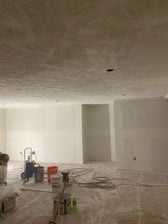
T&L Drywall and Painting
5.0(
5
)
Drywall - InstallDrywall - Repair

Serving Hartford, SD and surrounding areas

Approved

In business since 2012

Free estimates

We pride our company on reliability, great communication, \nintegrity, and quality work. We are experts in our trade and will do our best \nto keep you as educated as we can on your particular task or project. We look \nforward to earning your business! \n

2 neighbors recently requested a quote
Avatar for TK Handyman Service
TK Handyman Service
4.8(
40
)
Drywall - Repair

Serving Hartford, SD and surrounding areas

Approved

In business since 2019

Free estimates

Offers commercial services

"Friendly and easy to work with. The project was completed timely even though they had to work outside on some of the hottest days of summer. The final project turned out fabulous. I'd use TK Handyman Service again and recommend TK Handyman Service for your net project."
31 neighbors recently requested a quote
Recommended by97%of homeowners

...
Showing 1-10 of 100
Drywall FAQs, answered by experts

A post-drywall inspection could uncover many problems that weren’t present during the pre-drywall inspection, including insufficient insulation, missing weather stripping, improperly installed plumbing and lighting fixtures, flooring damage, drywall damage, plumbing leaks, aesthetic issues, and more. Structural problems, which are often expensive to fix and are common reasons to walk away after a home inspection, are easier to see before the drywall goes up, but a post-drywall inspection may highlight minor issues with house settling and foundation problems.

Although they have similar applications, spackle and joint compound are not the same. Their primary differences lie in their composition, consistency, and ideal use cases.

Spackle is composed of gypsum and binding agents, making it thicker than joint compound. It dries quickly and is easy to sand, which makes it ideal for small wall repair projects like filling nail holes or patching minor damage.

Joint compound, also known as drywall mud, consists of limestone and gypsum. It is primarily used for large-scale projects, such as taping and finishing the seams on newly installed drywall. It tends to shrink more than spackle and can be more difficult to spread.

While both products can be used to fill small depressions and cracks, spackle cannot replace joint compound for taping and mudding new drywall. Conversely, you can often use joint compound for small patching jobs typically done with spackle.

While textured walls can elevate a space in many ways, there are a couple of downsides to consider. Namely, they’re hard to clean, and some textures fall out of fashion quickly. Make sure to consider all your options to find one you truly love before diving in. 

Yes, a one-story house can have a load-bearing wall. The load-bearing walls in a single-story home are usually the exterior walls. If the house has a basement with exposed walls, the arrangement of the beams can help indicate what walls are load-bearing.

Technically speaking, you can use drywall primer over plasters. However, oil-based primers work the most effectively on wall plasters. Meanwhile, water-based primers work just as well with drywalls. Nowadays, there are also universal primers suitable for drywall and plaster. Overall, you will be fine as long as you are using a trustworthy brand.

The Hartford, SD homeowners’ guide to drywall services

From average costs to expert advice, get all the answers you need to get your job done.