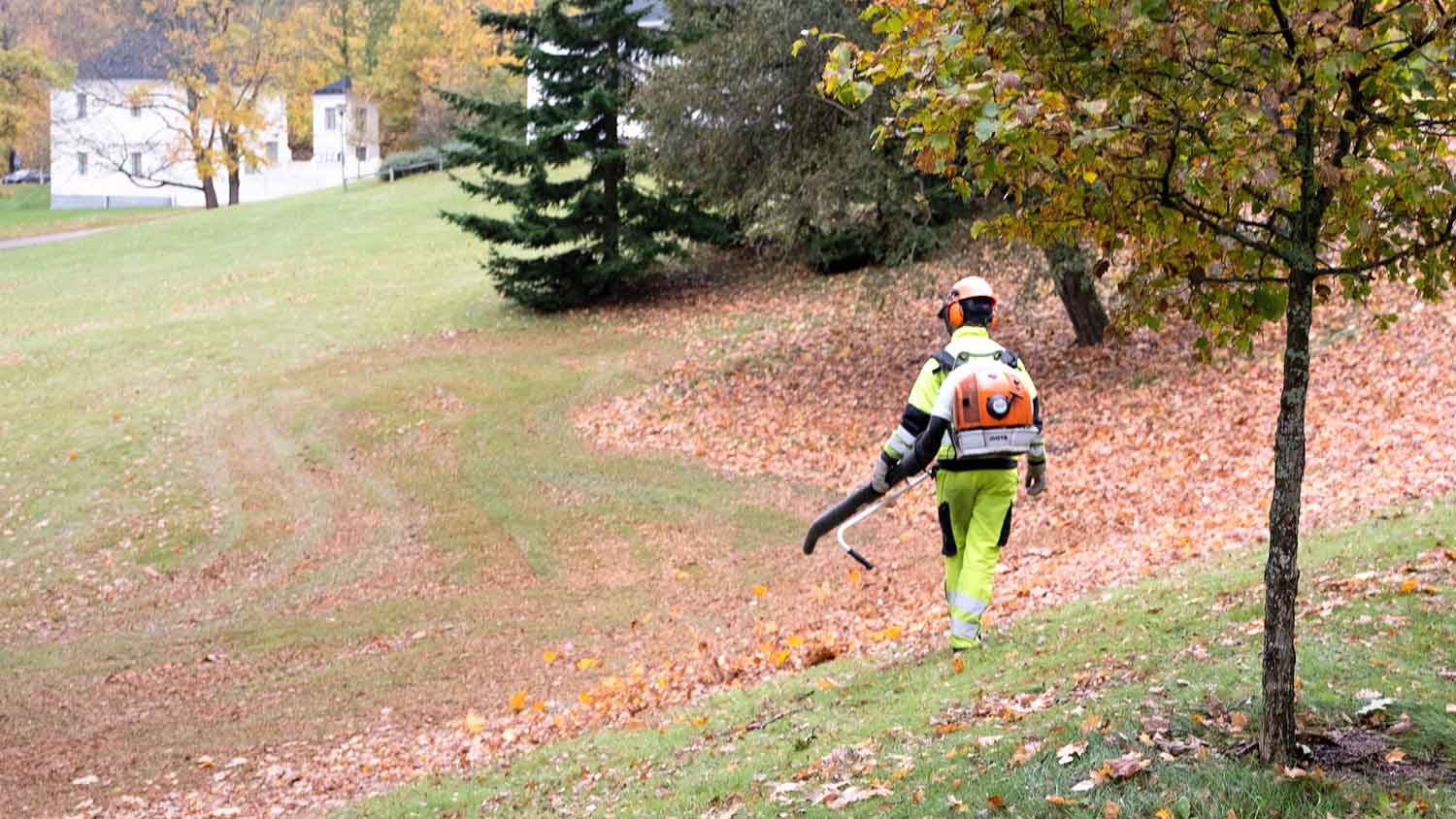
Top-rated leaf removal pros.

Best leaf removal pros near Hartford, SD

Enter your zip and get matched with up to 5 pros

Need a pro for your leaf removal project in Hartford, SD?

Select your specific project to find the pro for you.

TRUSTED BY HARTFORD, SD HOMEOWNERS

  • Average homeowner rating star icon4.4
    Average homeowner rating
  • Verified reviews icon20
    Verified leaf removal services reviews

Top-Rated Leaf removal pros in Hartford - Updated Nov 2026

...
Showing 1-10 of 89
Leaf Removal FAQs, answered by experts

The best way to remove lead paint is by wet hand sanding and removing all dust and residue with a HEPA vacuum. Professionals may also strip and scrape lead-based paint with a paint scraper. In some cases, you may choose to have a pro encapsulate or enclose your lead-based paint surface by covering it with a sealant or a new material. You may also choose to replace the material altogether.

Government regulations such as the EPA and OSHA govern lead removal procedures to ensure health and environmental safety during and after abatement.

Professional lead removal involves identifying and safely removing or encapsulating lead-based paints and materials, using specialized equipment, and following strict safety procedures to minimize exposure and contamination.

According to the Environmental Protection Agency (EPA), hazardous waste is generally classified into four main categories:

1. Characteristic Wastes: These exhibit at least one of four hazardous traits: ignitability (flammable, like gasoline), corrosivity (can rust or decompose materials, like car batteries), reactivity (unstable and can explode, like aerosol cans), or toxicity (harmful when ingested, like lead-based paint).

2. Listed Wastes: These are specific wastes from manufacturing and industrial processes that the EPA has officially designated as hazardous. They include byproducts from processes that use solvents, pesticides, and other chemicals.

3. Universal Wastes: These are commonly generated hazardous items that are subject to streamlined regulations. Examples include batteries, pesticides, mercury-containing equipment (e.g., bulbs), and some lamps.

4. Mixed Wastes: This category includes waste that contains both hazardous and radioactive components, making it subject to regulation by both the EPA and the Nuclear Regulatory Commission.
Exterior paint contains a higher level of VOCs, which can be dangerous if you’re exposed to it for a long period of time. The good news is that paint’s toxicity reduces significantly once fully dried and cured. Do not keep open exterior paint cans in your home, basement, or garage, exposing your household to harmful chemicals over time.

The Hartford, SD homeowners’ guide to leaf removal services

From average costs to expert advice, get all the answers you need to get your job done.