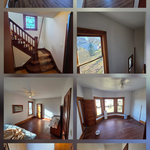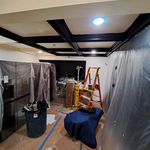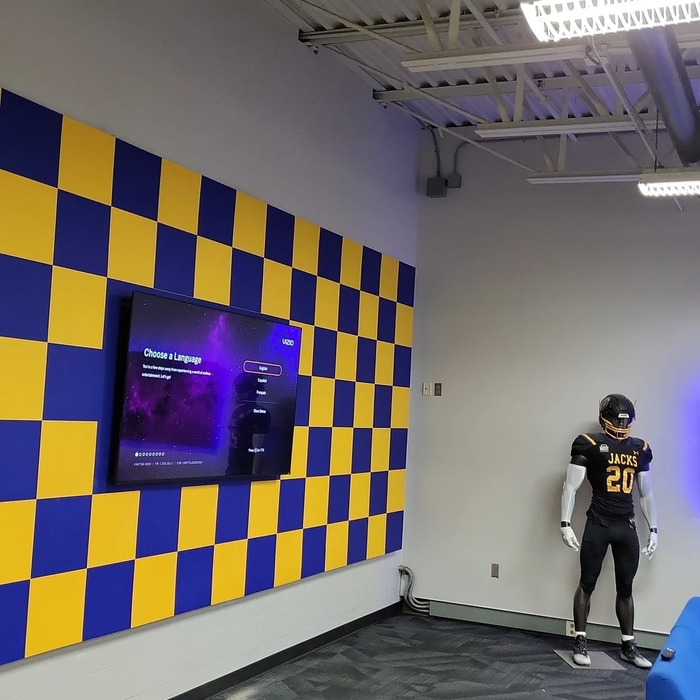

Top-rated drywall pros.

Best drywall pros near Harrisburg, SD

Enter your zip and get matched with up to 5 pros

Need a pro for your drywall service project in Harrisburg, SD?

Select your specific project to find the pro for you.

TRUSTED BY HARRISBURG, SD HOMEOWNERS

  • Average homeowner rating star icon4.2
    Average homeowner rating
  • Verified reviews icon56
    Verified drywall services reviews

Top-Rated Drywall pros in Harrisburg - Updated Nov 2026

Avatar for TK Handyman Service
TK Handyman Service
4.8(
39
)
Drywall - Repair

Serving Harrisburg, SD and surrounding areas

Approved

In business since 2019

Free estimates

Offers commercial services

"Friendly and easy to work with. The project was completed timely even though they had to work outside on some of the hottest days of summer. The final project turned out fabulous. I'd use TK Handyman Service again and recommend TK Handyman Service for your net project."
33 neighbors recently requested a quote
Recommended by100%of homeowners
Avatar for Indigo Construction LLC
Indigo Construction LLC
4.8(
12
)
Drywall - RepairDrywall - InstallDrywall - Install - For Business+1 more

Serving Harrisburg, SD and surrounding areas

Approved

In business since 2025

Free estimates

Emergency services offered

Indigo Construction is a locally owned construction company dedicated to helping homeowners improve, expand, and add value to their spaces. We specialize in egress window installation, basement finishing, drywall, painting, flooring, and carpentry, delivering code-compliant work with a strong focus on safety, durability, and craftsmanship. From functional upgrades to full interior transformations, Indigo Construction provides dependable service, clear communication, and quality results you can trust.

My Jobs
My Jobs
My Jobs
My Jobs
My Jobs

+21

4 neighbors recently requested a quote
...
Showing 1-10 of 101
Drywall FAQs, answered by experts

The two most common drywall thicknesses for ceilings are 1/2-inch and 5/8-inch. For most standard residential applications, 1/2-inch drywall is sufficient and widely used. It provides adequate support and is lighter and easier to handle during installation compared to thicker sheets. However, 5/8-inch drywall is often used for specific cases where additional benefits are needed. It is heavier but provides superior sound dampening and fire resistance. You should consider using 5/8-inch drywall for ceilings in commercial buildings, between a garage and a living space, or above a finished basement to meet building codes or for enhanced soundproofing.

The easiest way to remove texture from walls is the soak-and-scrape method. You’ll need to spray a section of the wall with water and let the water soak in and soften the texture. Then, you need to scrape the texture off using a drywall taping knife. This method works best with unpainted walls since paint prevents water from saturating the textured joint compound.

Knowing what causes drywall damage can help stop it before it starts. Here are some of the most common causes of drywall damage: 

  • Water damage from roof leaks or leaky pipes. 

  • Small holes caused by doorknobs, minor accidents, and rodent infestations. 

  • Wall dents stemming from moving furniture and minor accidents. 

  • Wall cracks that form from a settling foundation or seismic activity. 

  • Nail pops from nails and screws in the walls. 

  • Large holes that are caused by accidents with heavy objects, children and pets, or sporting equipment.

Although they are used for similar tasks, spackle and joint compound are not the same. Joint compound, also known as drywall mud, consists of limestone and gypsum and is primarily used for large-scale projects like taping and finishing seams on new drywall. Spackle is composed of gypsum and binding agents, making it a thicker compound best suited for small wall repairs like filling nail holes or cracks, as it dries quickly and is easy to sand. For small repairs, either product can be suitable. However, you can use joint compound for small jobs in place of spackle, but you cannot use spackle for large-scale taping and mudding projects.

It’s not a good idea to plaster over broken plaster (unless by broken you’re referring to cracked, in which case that’s perfectly fine). However, broken plaster can be a sign of a larger underlying issue like foundation damage or severe damage to the lath holding up the plaster, so it’s worth investigating before you simply plaster on top of the damage.

The Harrisburg, SD homeowners’ guide to drywall services

From average costs to expert advice, get all the answers you need to get your job done.