To learn about Mad City Windows and its history, you need to start back in 1998 when our family-owned company first opened its doors and changed the face of home remodeling in Wisconsin. From the beginning, our business has been built on a foundation of friendship and trust and, in return, local homeowners have come to know they can place their trust in us. In order make certain that we consistently earn that trust, we are dedicated to ensuring the expert, seamless delivery of high-quality products and remodeling solutions to homeowners throughout our service area.\n\nToday, we expand our home remodeling expertise across Wisconsin, Minnesota, Iowa and Illinois. With over 50,000 completed projects, we take our 2+ decades of experience to serve the communities of Minnesota, Iowa and Illinois. They can expect our highest standard of service and professionalism.
H Prairie Operations is an owner operated window and door distribution company that specializes in providing the ideal product for homeowners or contractors that meets their needs at an affordable price. We will consult with you, your customer, or your contractor and make sure you receive the products you need, at the time you need them, and within budget.
Window Door Contractors questions, answered by experts
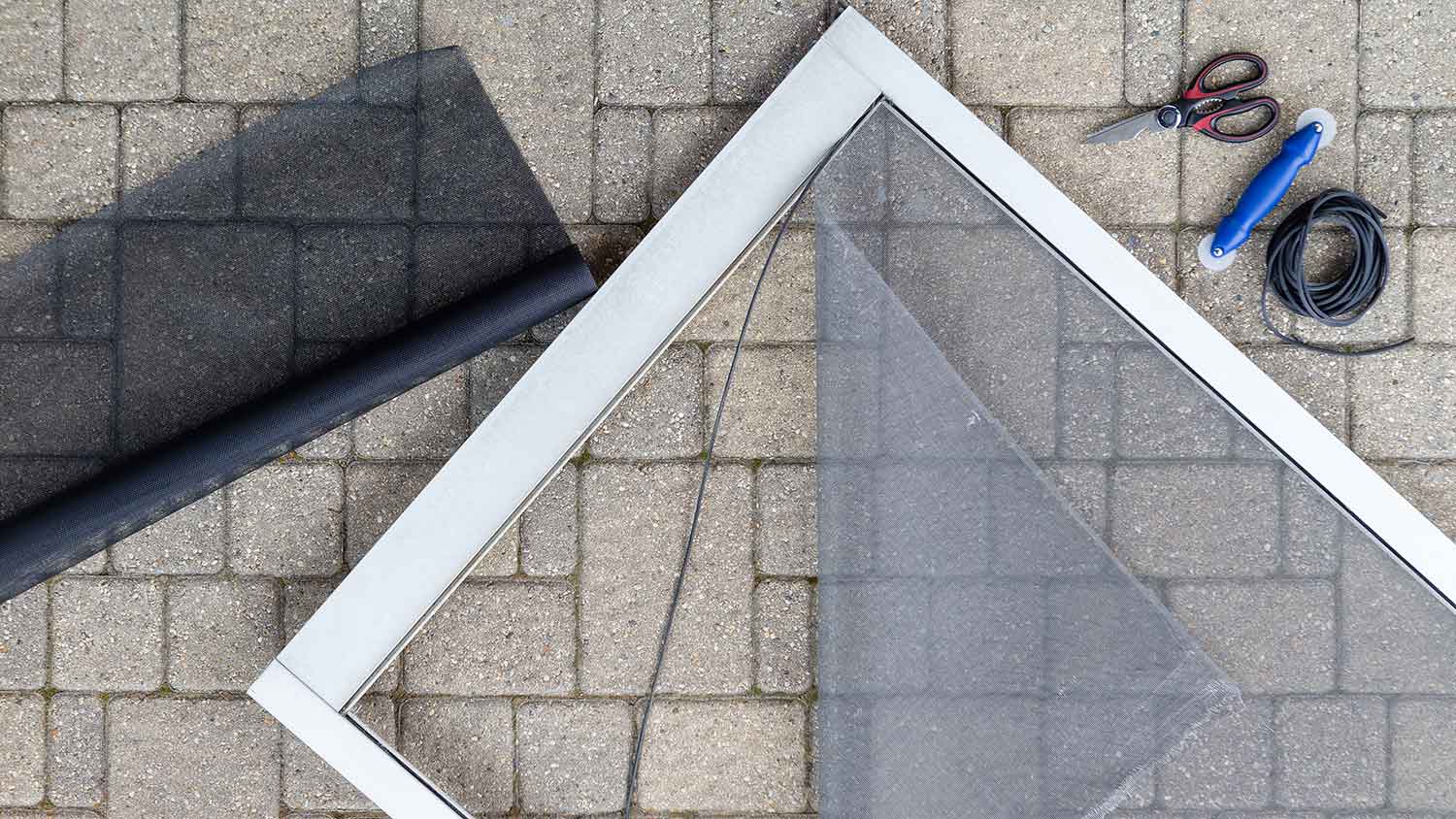
Window screens can take anywhere between 10 minutes and an hour to replace, depending on the complexity of the replacement and the accessibility of the window. Replacing the screen inside an existing frame normally takes longer than replacing an entire screen, frame and all, if you purchase a prefabricated screen already mounted on the frame.
The average cost to screen-in your patio ranges from $2,000 to $4,000. How much you spend depends on the size of your patio, the materials used, and construction complexity. Some patio screen room kits are easy to DIY, but you may need to hire a local screened-in porch builder and obtain permits for more complex designs.
There are different types of screen materials available when purchasing a screen door, but the two main options are fiberglass and aluminum. Fiberglass is lightweight and affordable, but can stretch out, so it needs to be replaced more often. Aluminum has a higher upfront cost, but is more sturdy. Aluminum can be more difficult to install, even if you know how to replace screen door mesh.
Window screens are available in several standard sizes. Common dimensions include 24 to 36 inches wide by 36 to 48 inches tall, as well as sizes like 18 by 14 inches and 20 by 20 inches. These often correspond to standard window sizes, such as 2 feet wide by 3 feet tall or 4 feet wide by 6 feet tall. Screens are also sold in replacement rolls to accommodate various dimensions. It is always best to measure your windows for accuracy before a repair or replacement. If your windows are a non-standard size, you will likely need to order custom screens, which can increase the cost. However, a screen does not necessarily have to fit the entire window, so you may be able to use a standard-size screen even if your window is slightly larger.
Window screen repair costs an average of $310, with a typical range of $100 to $480. The final price depends on several factors, including the window size, accessibility, screen type, whether the frame needs replacement, and especially the screen material.
The cost of window screen materials varies widely based on durability and features:
Fiberglass: $35–$200
Aluminum: $50–$300
Copper: $90–$850
Stainless Steel: $45–$400
Brass: $100–$900
Solar: $55–$850
Security: $100–$1,000
Vinyl: $25–$120
Costs also differ by screen type. For instance, a prefabricated screen might cost only $40, moveable screens typically run $25 to $75, and retractable screens range from $300 to $900. To save money, you can choose more affordable materials like vinyl or fiberglass, opt to rescreen instead of replacing the entire frame, and have multiple screens repaired at once to reduce labor costs.
The Gregory, SD homeowners’ guide to window and door contracting services
From average costs to expert advice, get all the answers you need to get your job done.