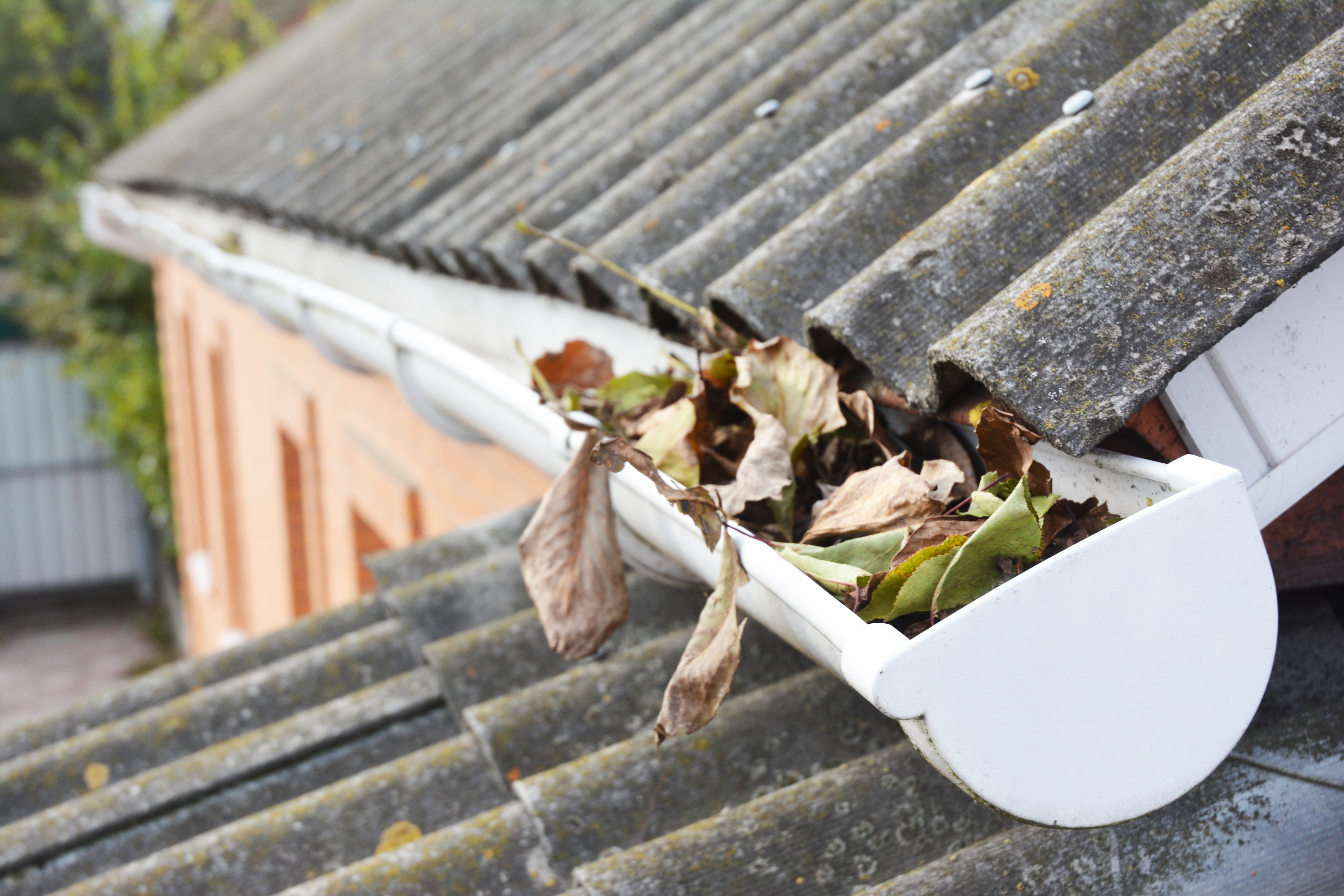
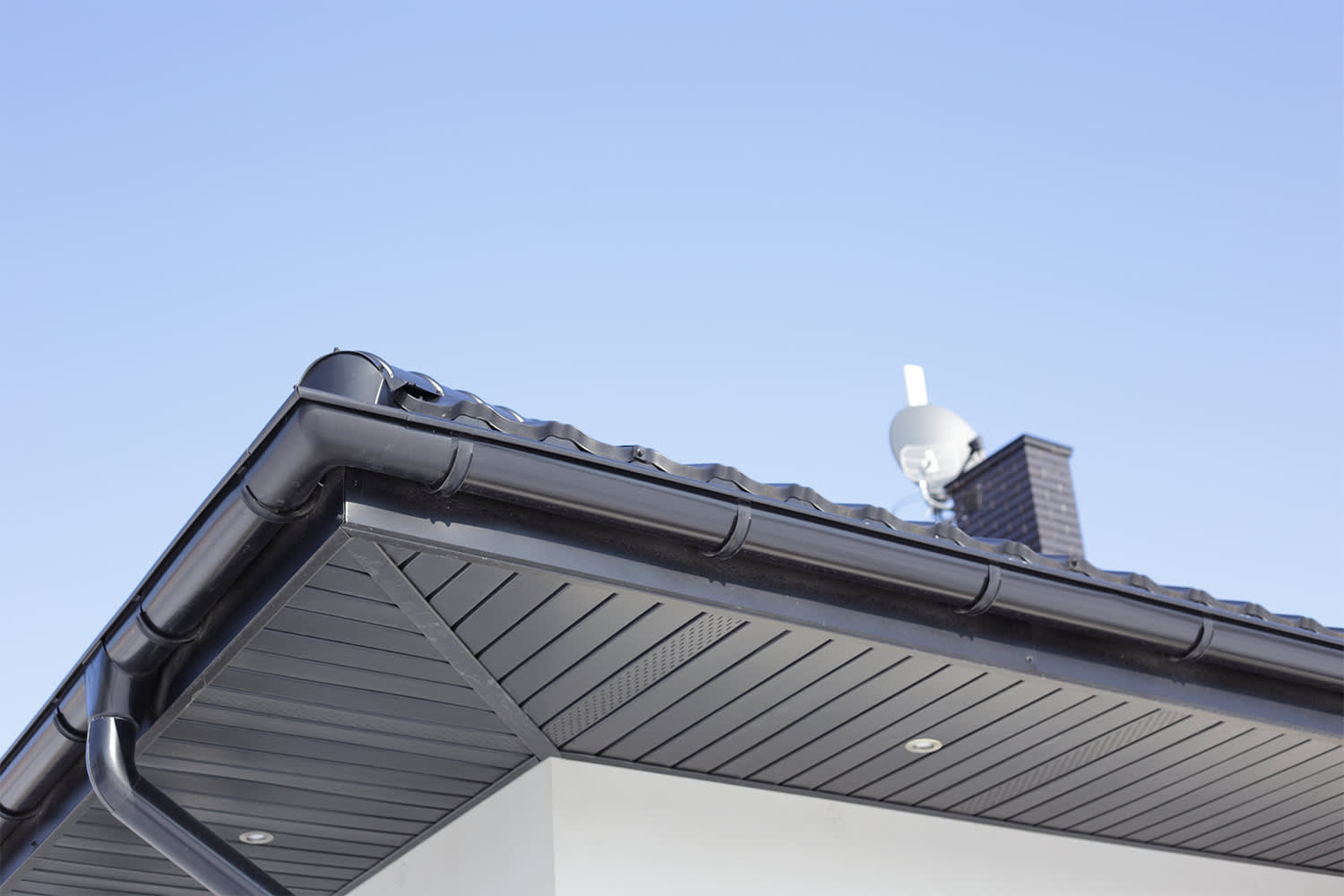
To clean the tops of gutter guards, use a soft-bristle brush or a leaf blower to remove debris like leaves, twigs, or dirt. For stubborn grime, spray the guards with a garden hose, directing water downward to avoid forcing debris into the gutter. If the guards are removable, take them off and rinse thoroughly before reattaching. Regular cleaning, especially during fall or after storms, will help maintain their effectiveness.
Yes, gutters can still get clogged even with gutter guards installed. While guards significantly reduce the amount of debris that enters your gutters, they are not 100% effective.
Small debris such as pine needles, seedlings, algae, small leaves, and pebbles can pass through the guard's screen or mesh and accumulate over time. Clogs can also form if the guards themselves are not cleaned and become overwhelmed with debris on top, preventing water from entering the gutter.
If this buildup is neglected, it can lead to clogs, water leaks, mold growth, and even plants sprouting from the gutters. The primary benefit of gutter guards is not the complete elimination of maintenance, but a dramatic reduction in how often you need to perform it, often from several times a year to just once a year or less.
Regular cleaning, checking for leaks, and ensuring that downspouts direct water away from the foundation help prolong gutter life.
The best times of year to clean your gutters are typically in the spring and fall. Cleaning in the fall is crucial for removing leaves and debris that have accumulated, which helps prevent clogs. A spring cleaning ensures your gutters are clear and prepared for seasonal rainfall.
As a general guideline, experts recommend cleaning your gutters at least twice a year. However, the optimal frequency depends on several factors, such as local weather patterns, the type of gutters you have, and the number of trees on your property. If your home is surrounded by many large trees or pine trees, you may need to clean your gutters as often as every three to four months. If you have few or no trees nearby, twice a year is likely sufficient. In some cases, you may need to clean them a couple of times during the fall and spring to keep them clear and allow water to flow freely.
Yes, there are several downsides to installing rain chains. For one, rain chains have a lower flow capacity than a typical gutter and downspout system. This means that if there is a rainstorm, the rain chain can stop working completely. Rain chains also cannot redirect rainwater away from your house. In homes with a sloped yard, this could cause water damage in your foundation or basement.
The Gregory, SD homeowners’ guide to gutter cleaning services
From average costs to expert advice, get all the answers you need to get your job done.
This guide to gutter cleaning costs provides estimates for cleaning different types of gutters, tips for saving money on gutter cleaning, and answers to how to clean gutters.
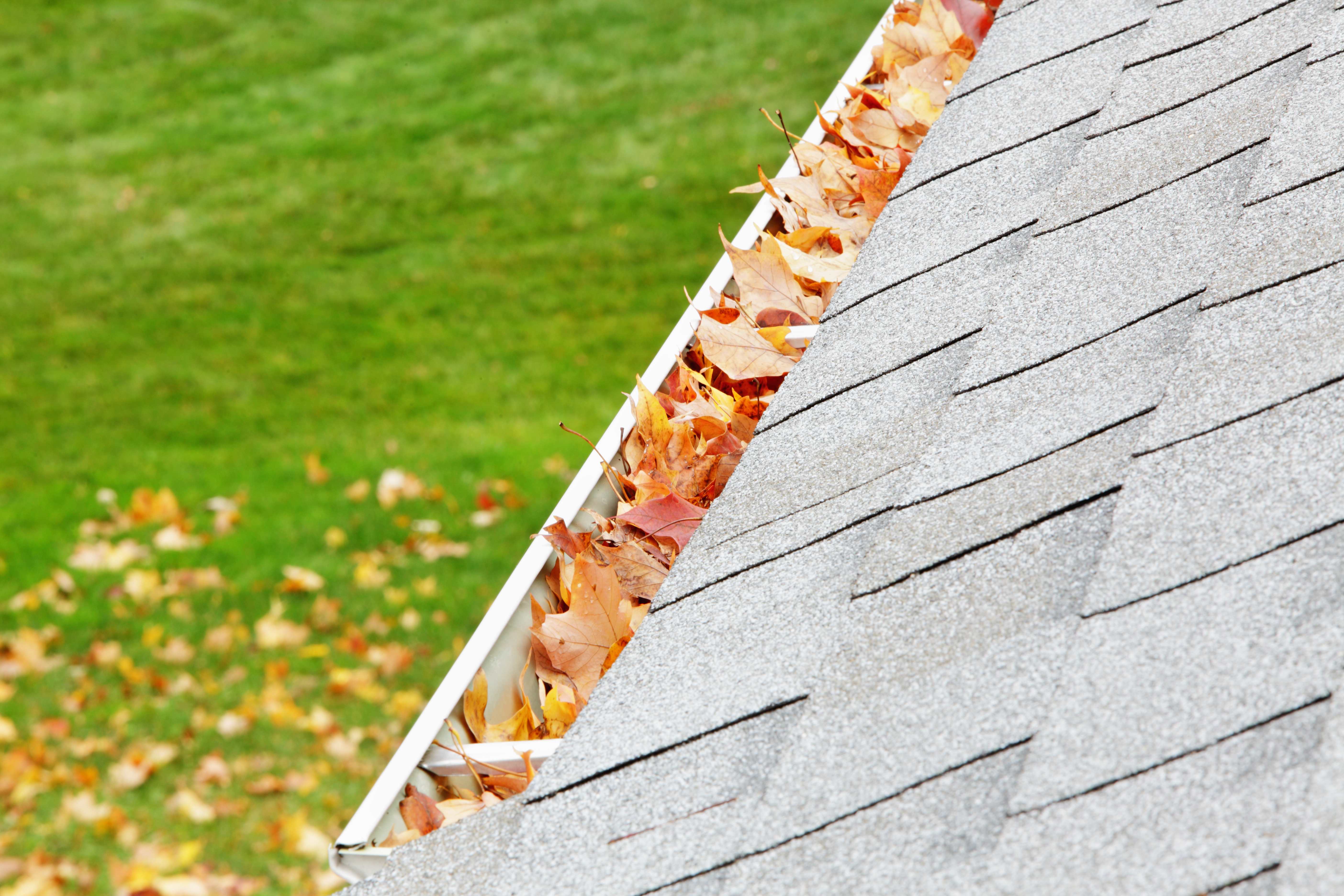
This guide on how to clean the outside of gutters offers tips for how to remove debris, grime, black spots, and streaks from gutters to get them to last as long as possible.