"Mr. Ferrell first connected his computer to my computer via internet and worked for quite a few hours trying to determine what exactly was wrong. The next day he continued working from his computer for several hours. He determined he would have to have my desktop tower to complete the repair. He and my son met in Huntsville to exchange the tower. He then cleaned up a lot of what was wrong and reloaded Windows 10. He deleted the D: drive which had way too much memory allotted to it. The tower was returned and I plugged it all back together and it is working better than it did when I first purchased it. I would use him again and I recommend him highly to anyone needing computer updating and/or repair. His work is warrantied and he is very personable, knowledgeable, and helpful."

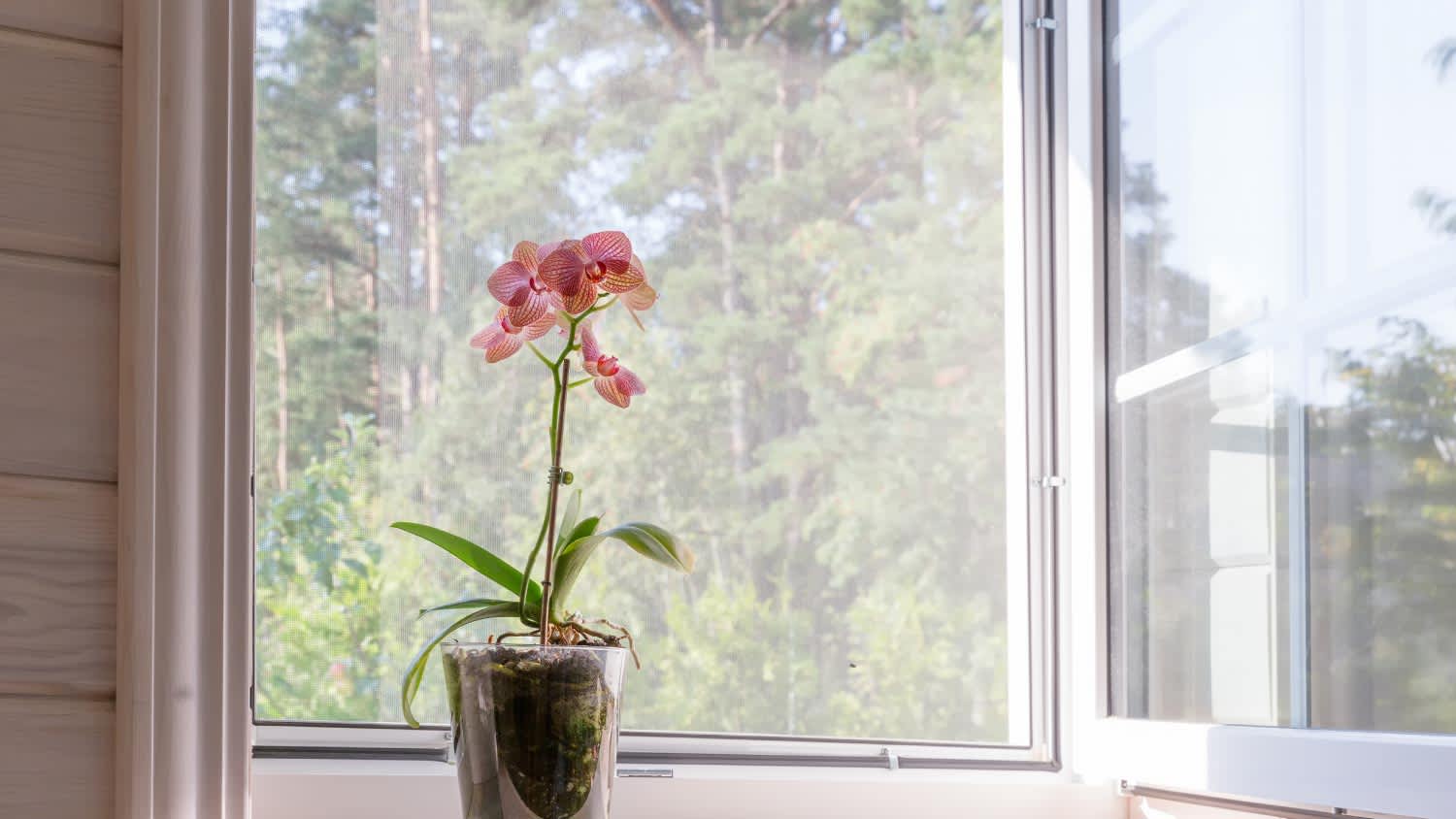
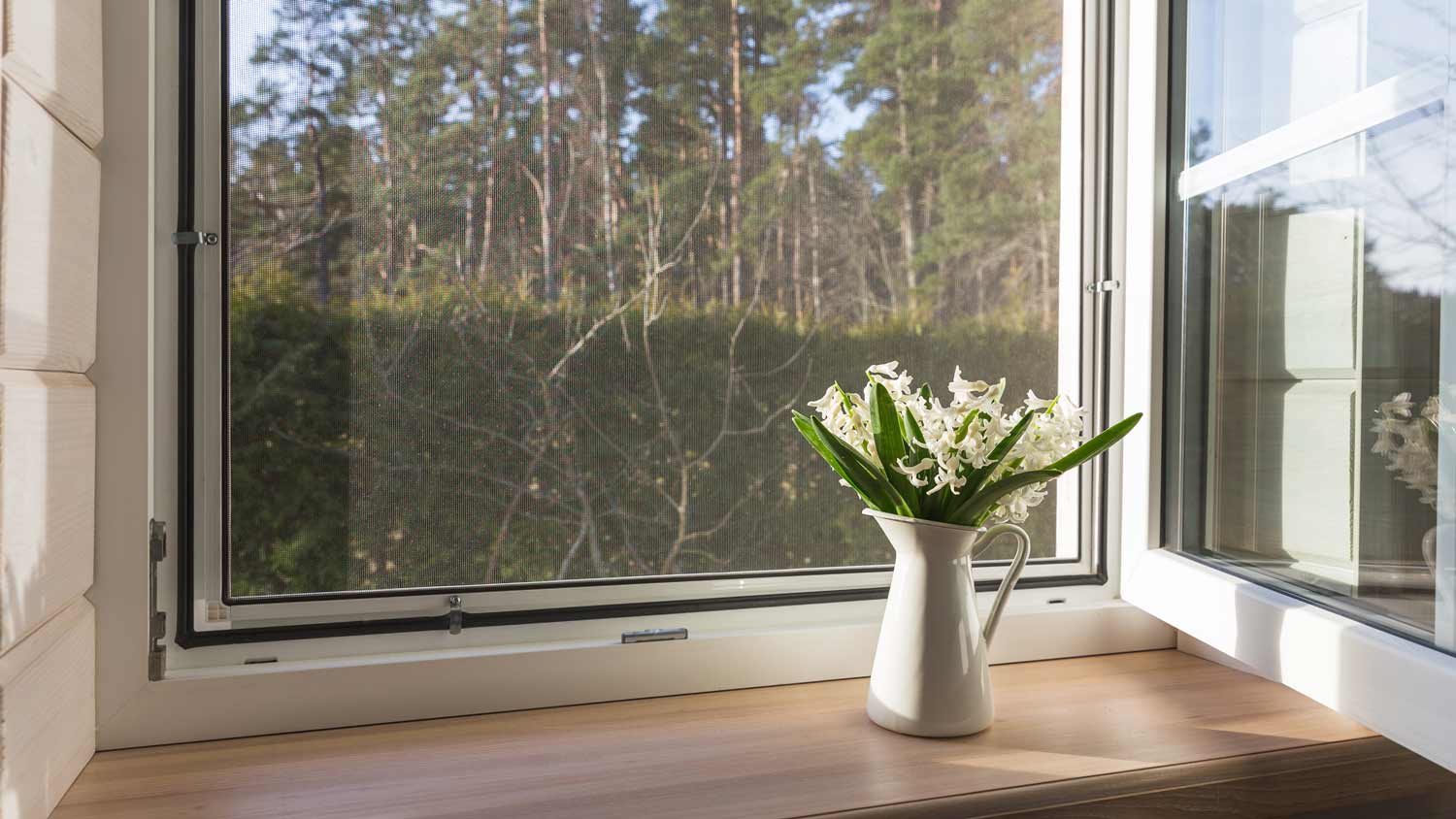
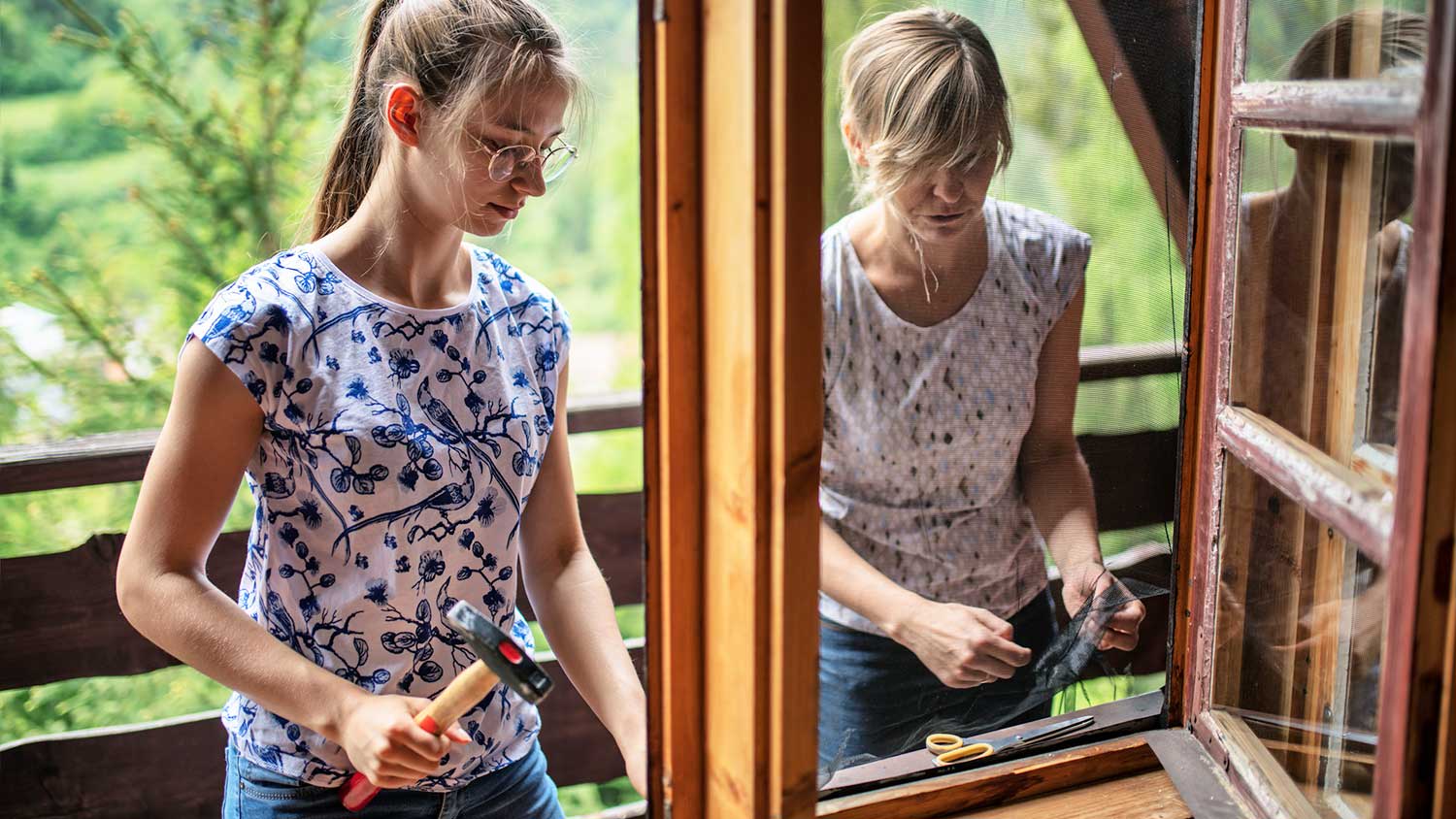
A vacuum with a hose attachment or a lint roller can easily remove dust from your window screen. Pressure washing window screens is another option, but you should make sure you have the appropriate nozzle and pressure setting to avoid doing extensive damage to your window.
The screen on many screen doors is held in place by screen spline. Screen spline is typically a thin vinyl tubing that fits into the groove of the door’s frame and holds the screen in place. To install the spline on a screen door, you’ll need a spline roller—a tool that presses the spline and screen into the door’s narrow groove. Note that old spline can crack and break, so replacing your screens is a good time to replace the spline, too.
While the benefits of garage door screens usually outweigh the downsides, there are some cons to installing one. First off, they can be quite expensive, especially if you’re having a professional install a retracting screen or a custom size screen. Second, they let fresh air and natural light in, but they also don’t provide the same privacy from people in the neighborhood that a solid door does. As you might guess, screens also won’t insulate your garage, so they’re often not usable in colder weather.
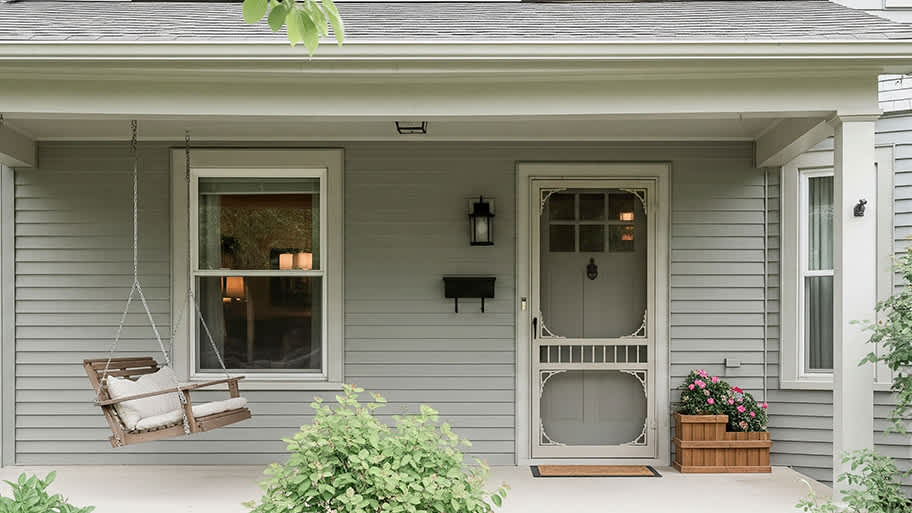
While sometimes used interchangeably, screen doors and storm doors have key differences. Screen doors are simple structures, typically composed of just a frame and a screen, designed to keep out bugs while allowing air circulation. In contrast, storm doors are heavier and more complex, built to protect your home's main entry door from weather and intruders. They usually feature an aluminum frame with interchangeable tempered glass and screen panels, allowing you to switch between ventilation and insulation. A storm door offers more protection and versatility but generally costs more than a basic screen door.
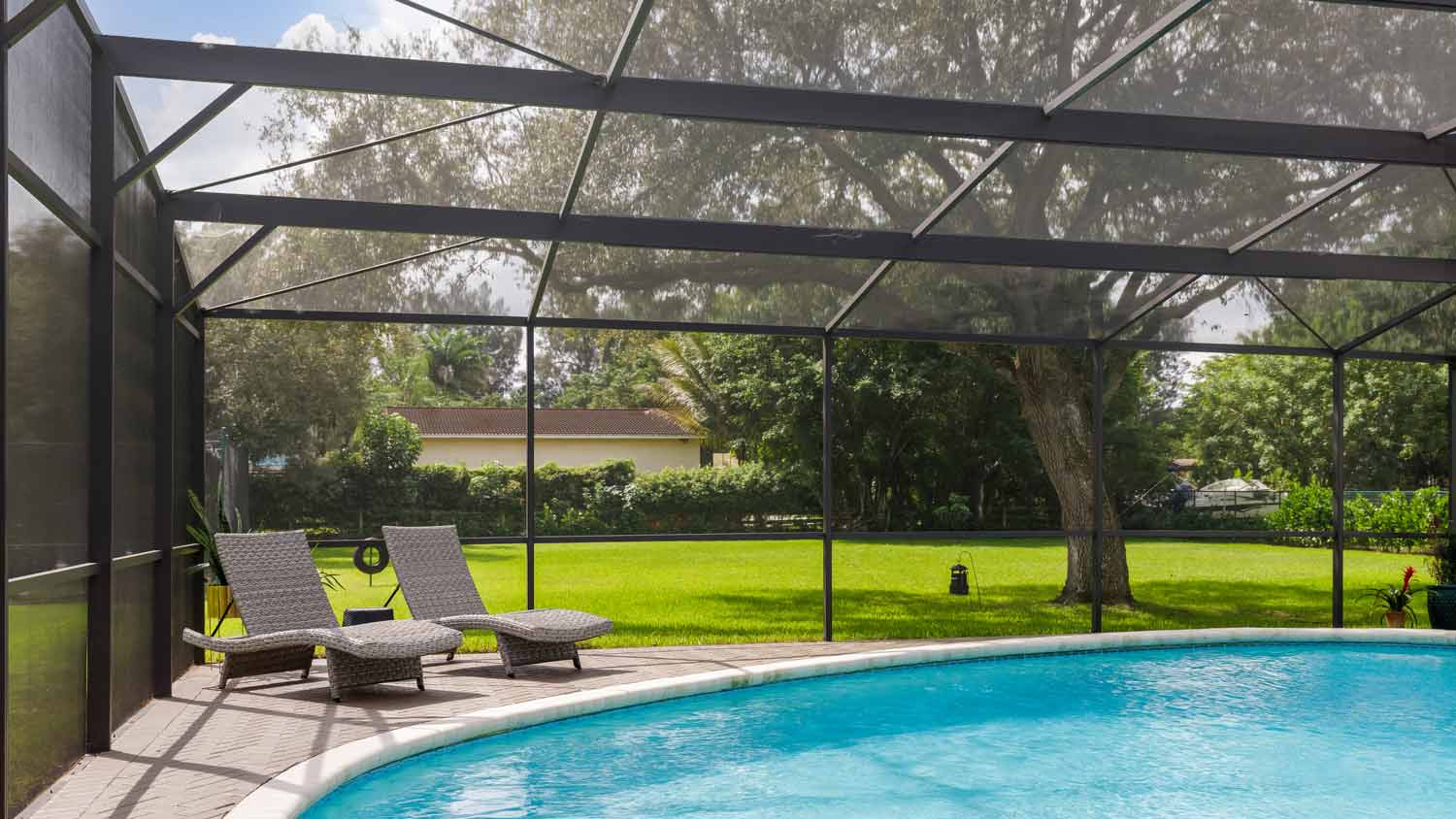
The average cost to screen-in your patio ranges from $2,000 to $4,000. How much you spend depends on the size of your patio, the materials used, and construction complexity. Some patio screen room kits are easy to DIY, but you may need to hire a local screened-in porch builder and obtain permits for more complex designs.
The Gregory, SD homeowners’ guide to screen repairs
From average costs to expert advice, get all the answers you need to get your job done.
Learn about six different types of window screens and their pros and cons. Our guide to window screens will help you choose the right type for your windows.
Love the idea of a retractable screen door for your home? Get to know the pros and cons. Learn about three retractable screen storm door problems and how to fix them.