We take great pride in our experience, expertise, quality and customer service that we provide to meet the consumer's needs. It is our mission to provide excellent workmanship, and complete customer satisfaction, from start to completion of a project. In order to understand the needs and expectations of our customers, we take great care to work and communicate with every customer in a professional manner. Our reputation is based on service, safety and quality, regardless of how large, or small the job. Call us today!
"Mr. Ferrell first connected his computer to my computer via internet and worked for quite a few hours trying to determine what exactly was wrong. The next day he continued working from his computer for several hours. He determined he would have to have my desktop tower to complete the repair. He and my son met in Huntsville to exchange the tower. He then cleaned up a lot of what was wrong and reloaded Windows 10. He deleted the D: drive which had way too much memory allotted to it. The tower was returned and I plugged it all back together and it is working better than it did when I first purchased it. I would use him again and I recommend him highly to anyone needing computer updating and/or repair. His work is warrantied and he is very personable, knowledgeable, and helpful."
Most standard windows can accommodate solar screens, but specialty shapes or non-standard frames may require custom solutions. It’s important to consult with a professional to ensure compatibility and proper fit for unique window designs. Arched, bay, and fabricated windows often need fabricated screens, which can increase costs and lead time.
The cost of a window repair varies significantly depending on which part is damaged. Here is a breakdown of common repairs and their estimated costs:
Broken seal or fogginess between panes: $70–$245
Cracked pane: $40–$100
Broken glass: $200–$2,000
Sash, seal, or track repair: $200–$600
Latch or hardware issues: $75–$200
Broken window frame: $175–$1,000
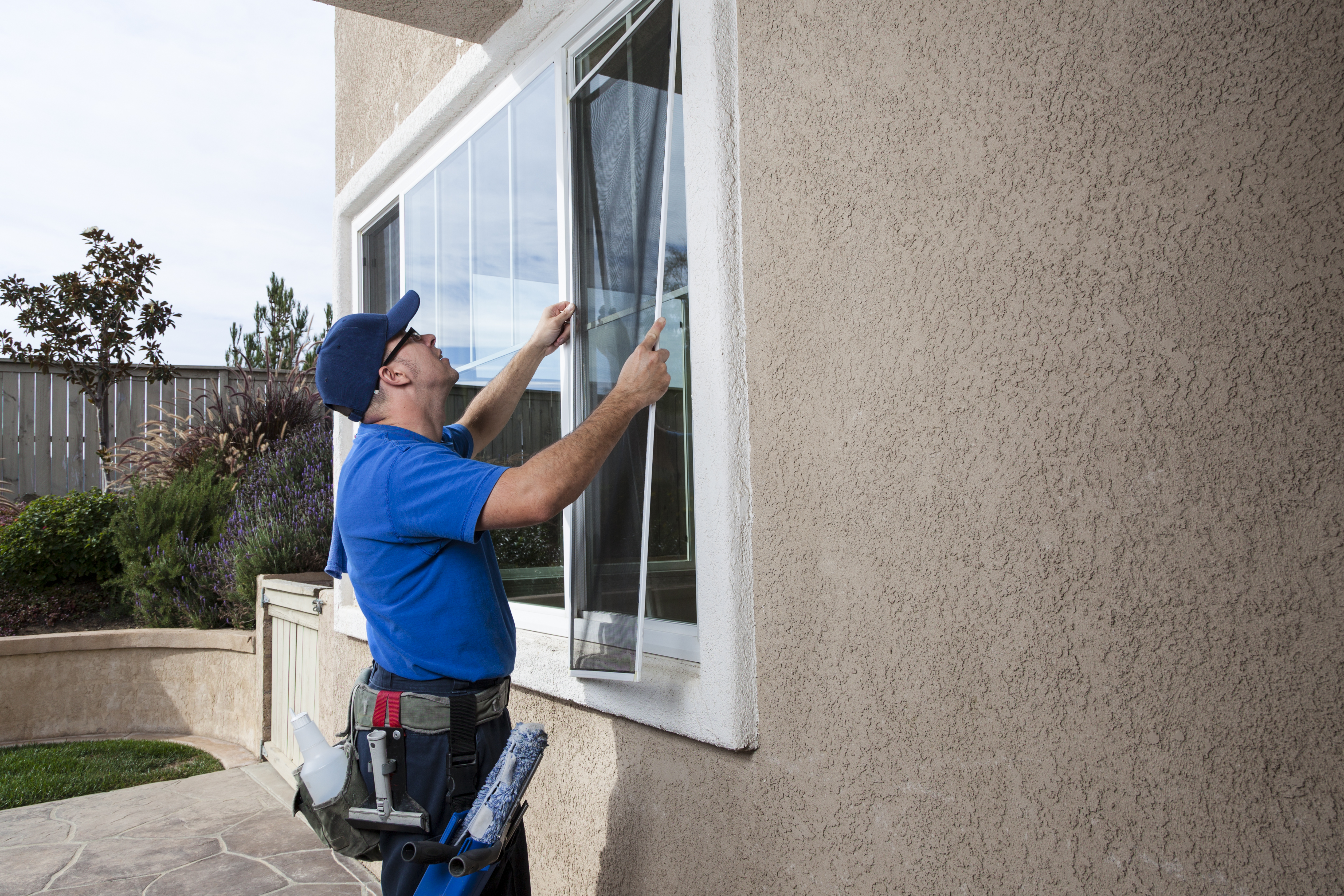
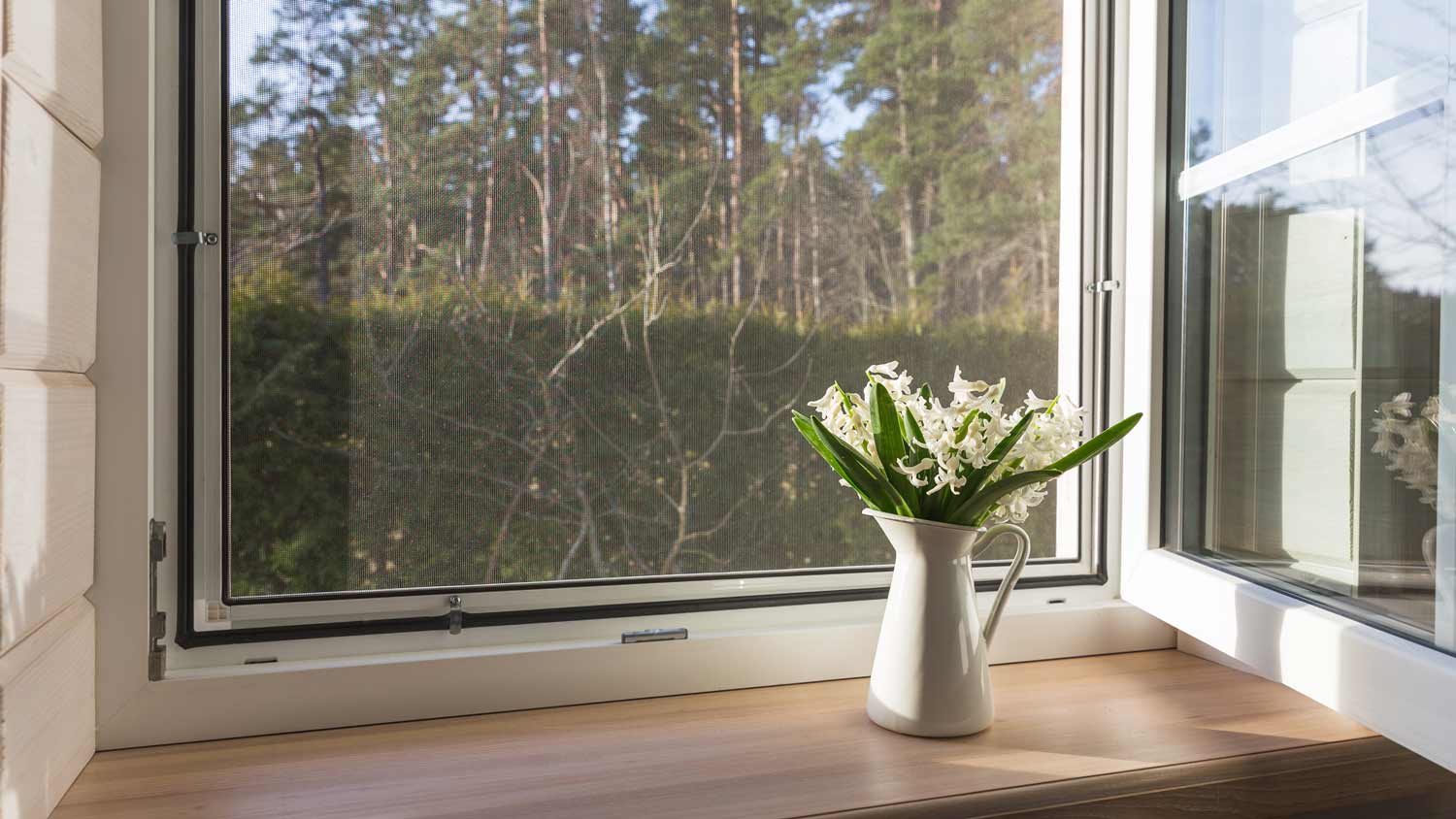
Window screen replacement: $140–$480
It’s possible to make minor screen repairs yourself using a waterproof adhesive for small tears or a screen patch kit for larger tears and holes. However, it’s usually a better option to call in a professional window technician. It’s very easy to use too much waterproof glue, resulting in a messy appearance that might demand a full replacement anyway. A screen repair technician will not only be able to carry out clean repairs and patches that aren’t obvious, but they can also let you know if replacing your screen is a more cost-effective option.
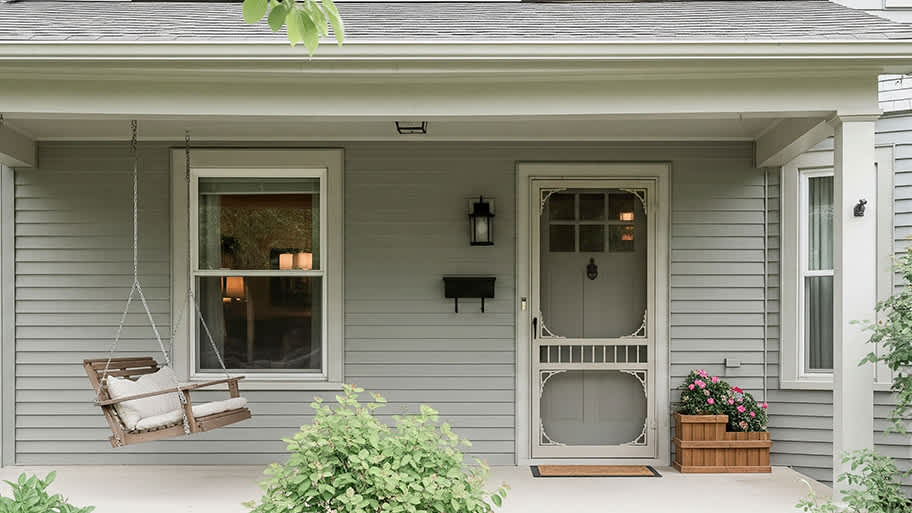
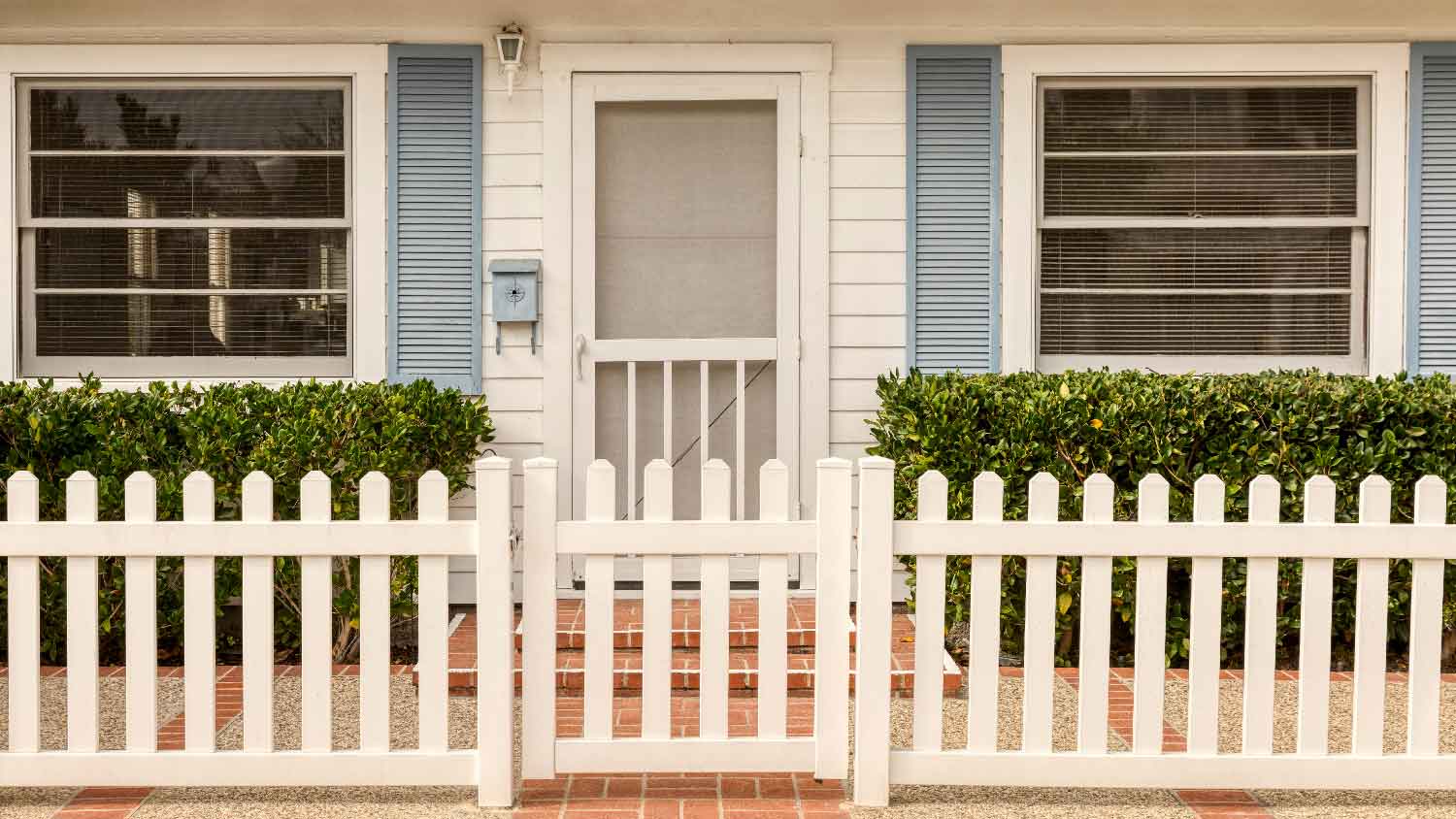
While the telltale signs can vary for different types of screen doors, it may be time to learn how to install a screen door if you're noticing rotting, warping, or splintering accompanying the sagging. If you’re unsure whether to replace a sagging screen door, consult a local screen door pro for an inspection and final decision.
There are a number of ways to secure windows. You can add motion detectors or window sensors to detect movement and impact or change the window locks to make them stronger. Some of the ways you can secure windows are much like how you secure a home: closing the curtains at night and setting up security cameras outside so you can monitor your property even in your absence.
The Platte, SD homeowners’ guide to screen repairs
From average costs to expert advice, get all the answers you need to get your job done.
Thinking about window screen installation for the spring? Learn about mesh materials, costs to expect, and how to hire the right local pro for the job.
Love the idea of a retractable screen door for your home? Get to know the pros and cons. Learn about three retractable screen storm door problems and how to fix them.