We take great pride in our experience, expertise, quality and customer service that we provide to meet the consumer's needs. It is our mission to provide excellent workmanship, and complete customer satisfaction, from start to completion of a project. In order to understand the needs and expectations of our customers, we take great care to work and communicate with every customer in a professional manner. Our reputation is based on service, safety and quality, regardless of how large, or small the job. Call us today!
"Mr. Ferrell first connected his computer to my computer via internet and worked for quite a few hours trying to determine what exactly was wrong. The next day he continued working from his computer for several hours. He determined he would have to have my desktop tower to complete the repair. He and my son met in Huntsville to exchange the tower. He then cleaned up a lot of what was wrong and reloaded Windows 10. He deleted the D: drive which had way too much memory allotted to it. The tower was returned and I plugged it all back together and it is working better than it did when I first purchased it. I would use him again and I recommend him highly to anyone needing computer updating and/or repair. His work is warrantied and he is very personable, knowledgeable, and helpful."
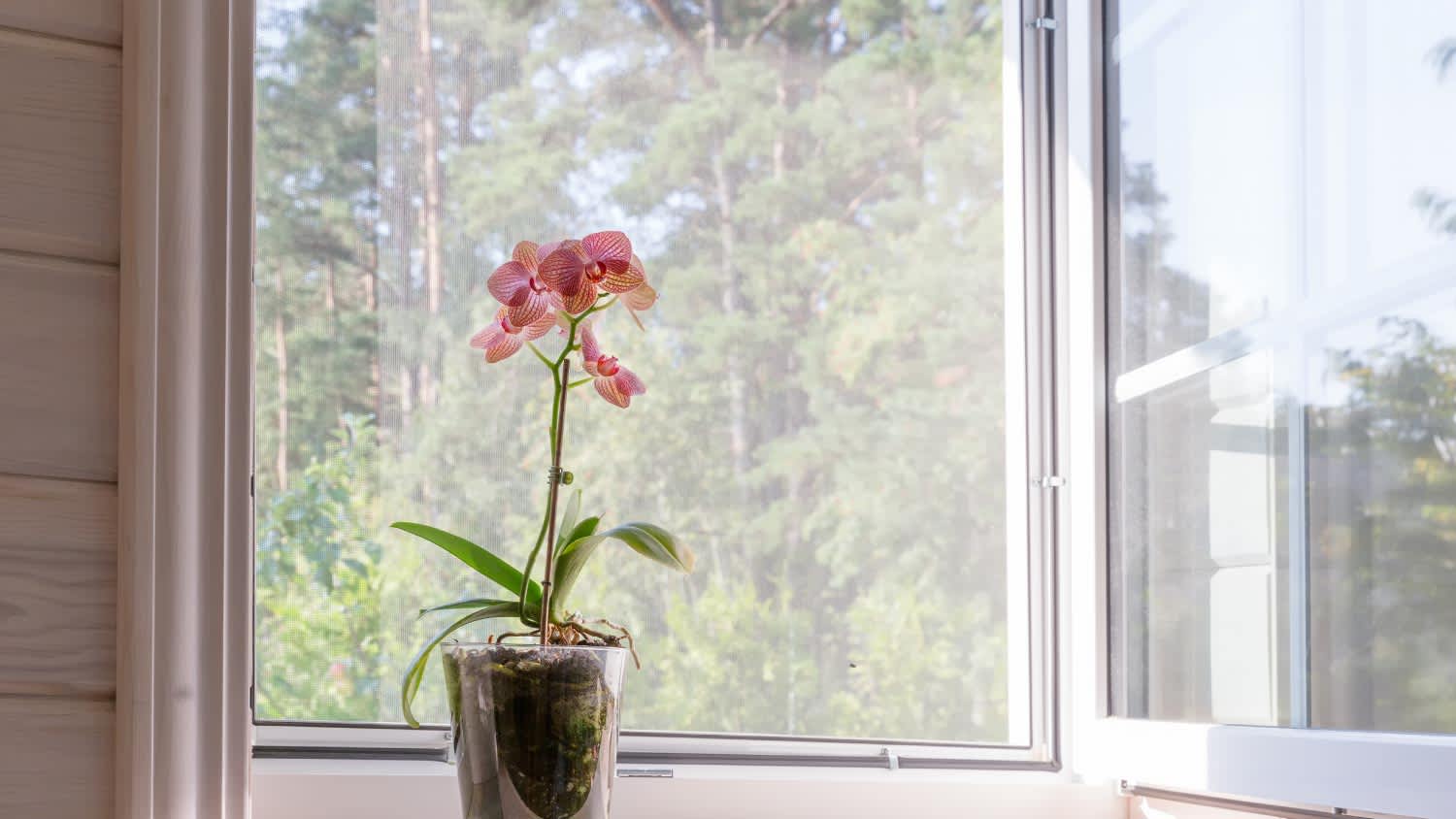
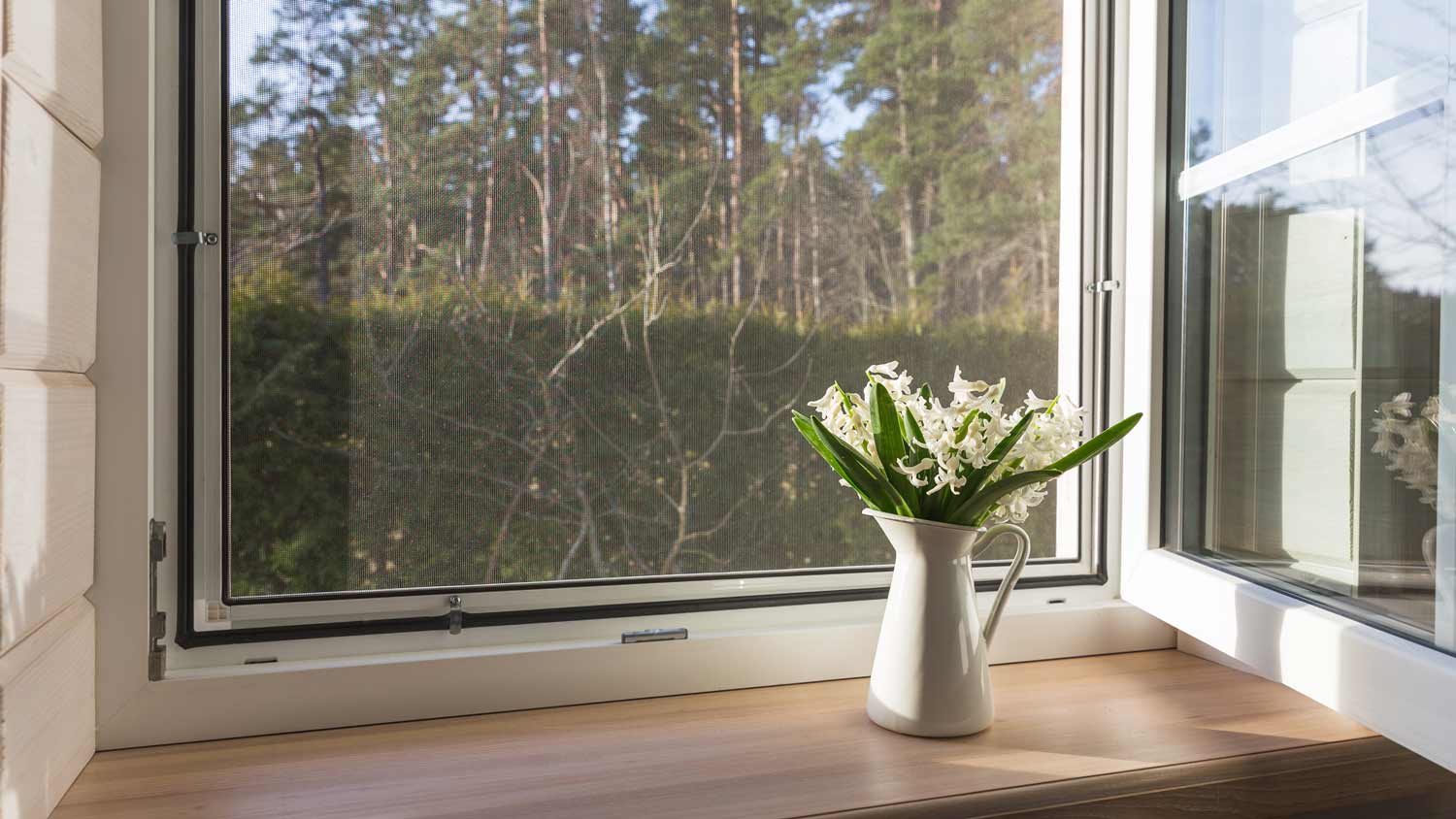
Yes, you can absolutely put a screen on a casement window, and most casement windows come with screens. Unlike with a double-hung, single-hung, or sliding window, the screen in a casement window sits on the inside of the window so that the sash can freely open outward. Screens are especially important for casement windows because the large window opening the window provides leaves your home more open to bugs and outside debris than most other types of operable windows.
Window screens are available in several standard sizes. Common dimensions include 24 to 36 inches wide by 36 to 48 inches tall, as well as sizes like 18 by 14 inches and 20 by 20 inches. These often correspond to standard window sizes, such as 2 feet wide by 3 feet tall or 4 feet wide by 6 feet tall. Screens are also sold in replacement rolls to accommodate various dimensions. It is always best to measure your windows for accuracy before a repair or replacement. If your windows are a non-standard size, you will likely need to order custom screens, which can increase the cost. However, a screen does not necessarily have to fit the entire window, so you may be able to use a standard-size screen even if your window is slightly larger.
No, but removing window screens will achieve a deeper clean. If you aren’t sure how to remove your screens, you can still clean them while in your window. You can follow the same cleaning steps, but you may not be able to get into corners or struggle to clean the entire screen if the window is up high.
The cost ultimately depends on size, but roughly, the most popular screen materials will set you back anywhere from around $0.25 to over $25 per square foot. Fiberglass and aluminum are usually less expensive at around $0.25 to $0.70 per square foot. Solar screens cost about $7.50 to $15 per square foot, while security screens range from around $10 to $25 per square foot.
Screen repair is always worthwhile, as tears and holes in your windows and door screens are unsightly and allow pests and debris into your home, rendering the screen useless. The faster you repair your screens, the faster you can open your windows and doors freely to let the fresh air in. Consider repairing multiple door and window screens during one appointment with a screen repair technician to make the investment and labor costs worth it.
The Kimball, SD homeowners’ guide to screen repairs
From average costs to expert advice, get all the answers you need to get your job done.
Thinking about window screen installation for the spring? Learn about mesh materials, costs to expect, and how to hire the right local pro for the job.
You’re probably already using them, but when it comes down to it, do you need screens on your windows? Learn about the pros and cons of using window screens.