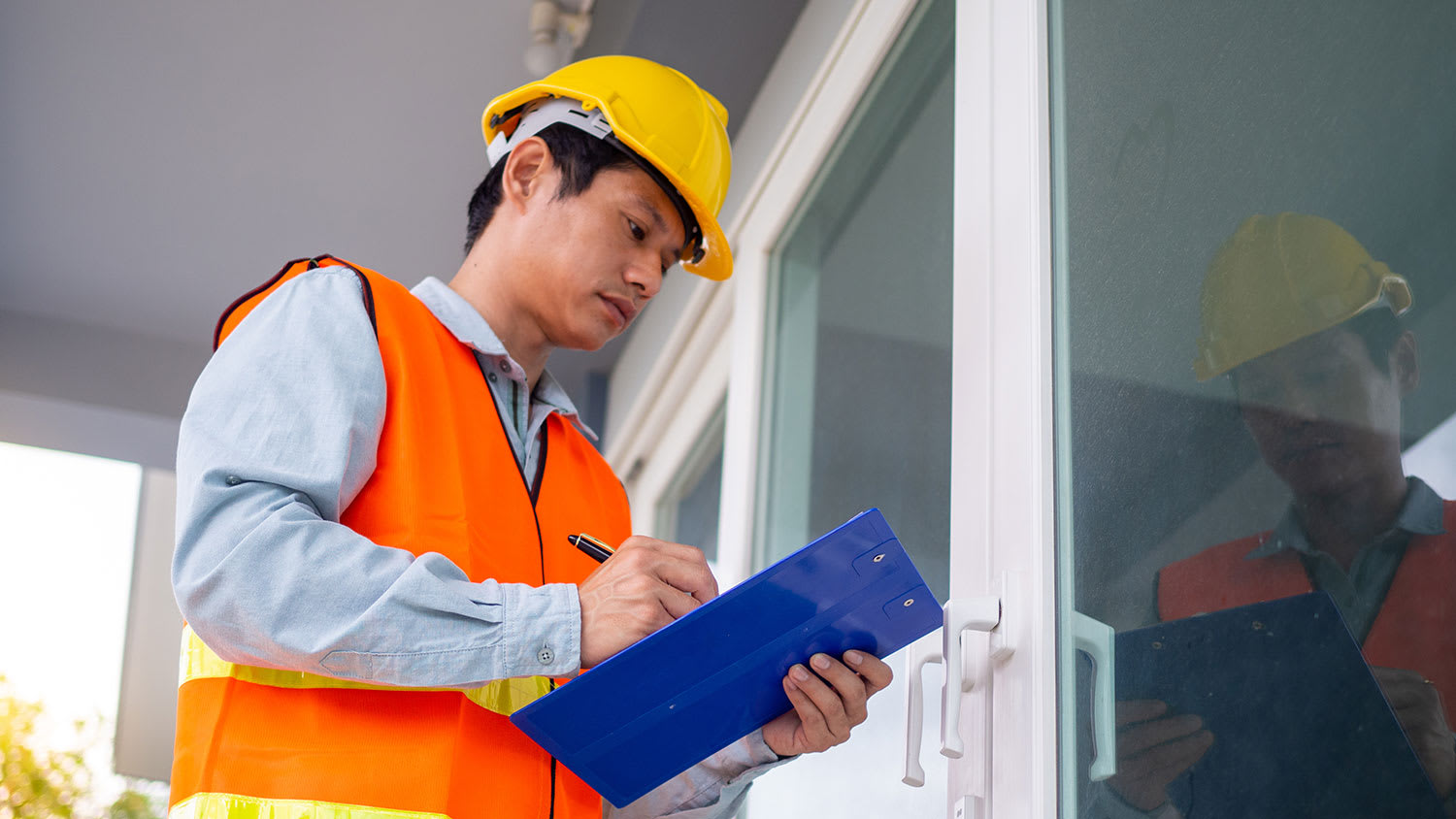









Top-rated energy efficiency auditors.

Get matched with top energy efficiency auditors in Freeman, SD

Enter your zip and get matched with up to 5 pros

Need a pro for your energy efficiency auditing project in Freeman, SD?

Select your specific project to find the pro for you.

Find Energy efficiency auditors in Freeman

Energy Efficiency Auditing questions, answered by experts

A home energy audit costs about $420 on average, with prices ranging from $100 to $2,250 or more. The final cost depends on factors like your home's size, location, the thoroughness of the audit, and the specific tests performed. A basic Level 1 walk-through inspection typically costs between $150 and $200, while a comprehensive Level 3 audit with detailed testing and a report costs around $900. Homeowners may be able to use the 2022 Inflation Reduction Act’s Energy Efficient Home Improvement credit to cover up to $150 of the audit cost.

Costs for common individual tests include:

  • Blower door test: $350

  • Duct testing: $100

  • HERS test: $375

  • HERS certification: $200

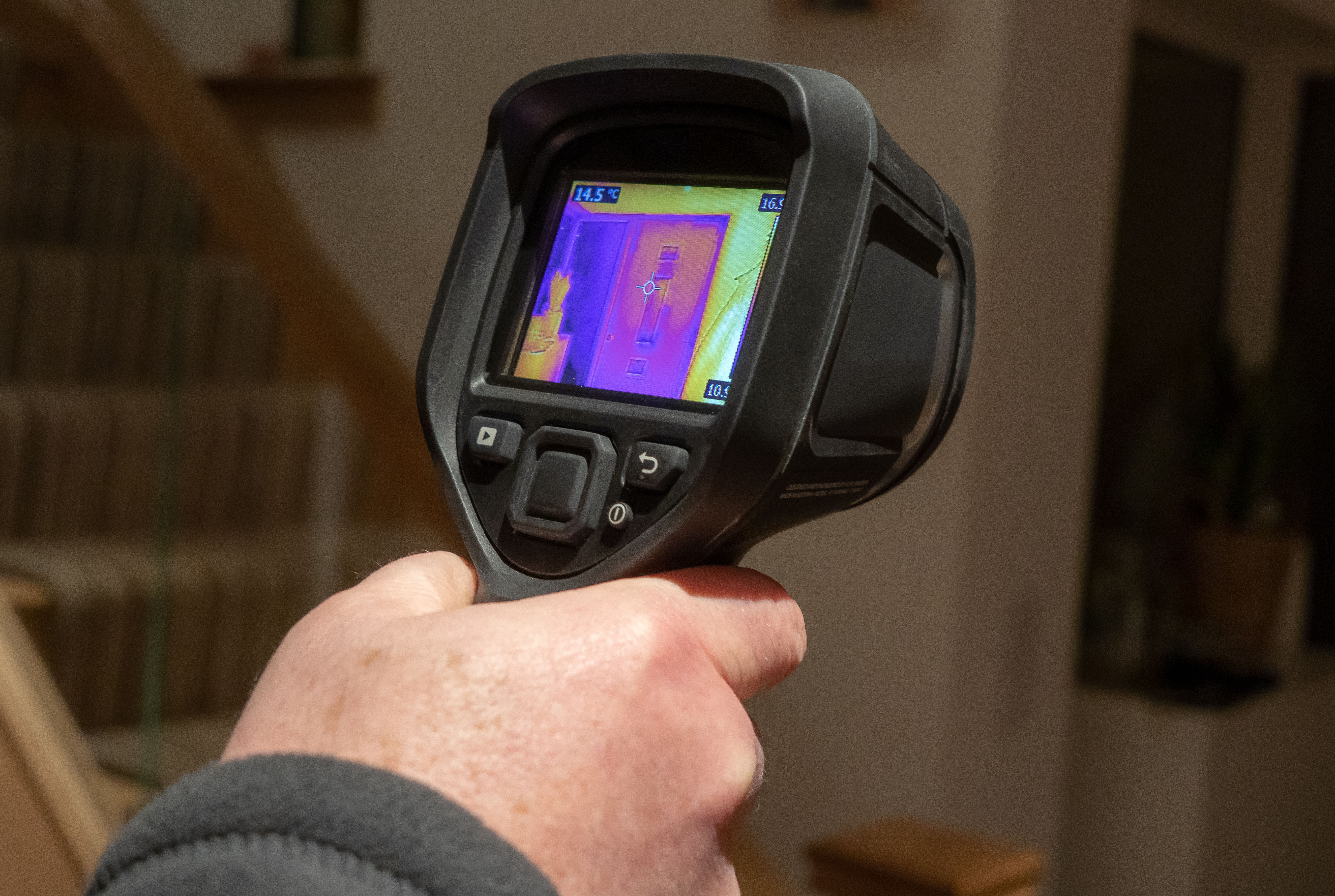
  • Infrared imaging: $200

Heat pumps transfer existing heat instead of generating it, using less energy. Compared to baseboard heaters, they can reduce heating costs by up to 50% and provide efficient cooling, lowering electricity bills and carbon footprint.

Window AC units use a fair amount of electricity, but significantly less than central AC systems. Because they are more energy-efficient for cooling individual rooms or small spaces, their usage is comparatively low. On average, a window AC unit consumes between 500 and 1,400 watts, while a central AC system uses over 3,500 watts—meaning a window unit uses about one-third of the energy. This typically translates to a monthly running cost of $15 to $40, although this can vary depending on external factors.

Electric bills tend to be lower in spring and fall because people use less electricity during these seasons. Milder temperatures allow for less use of heating and cooling, unlike during winter and summer, which usually bring more extreme temperatures.

Smart glass doesn’t use a lot of electricity, and you can expect a standard window to add between $1 and $2 per year to your electric bills. Smart glass is proof that energy-efficient windows work. Although your smart windows may consume a little energy to operate, they can save enough energy to offset the costs. If you’re concerned about the minimal bump to your electricity consumption, you can opt for smart tint, which doesn’t require electricity to work.

The Freeman, SD homeowners’ guide to energy efficiency auditing services

From average costs to expert advice, get all the answers you need to get your job done.