




Top-rated energy efficiency auditors.

Get matched with top energy efficiency auditors in Ethan, SD

Enter your zip and get matched with up to 5 pros

Need a pro for your energy efficiency auditing project in Ethan, SD?

Select your specific project to find the pro for you.

Find Energy efficiency auditors in Ethan

Energy Efficiency Auditing questions, answered by experts

Smart glass doesn’t use a lot of electricity, and you can expect a standard window to add between $1 and $2 per year to your electric bills. Smart glass is proof that energy-efficient windows work. Although your smart windows may consume a little energy to operate, they can save enough energy to offset the costs. If you’re concerned about the minimal bump to your electricity consumption, you can opt for smart tint, which doesn’t require electricity to work.

To determine the right size generator for your house, you should calculate the total wattage of the appliances and devices you want to power during an outage. List all essential items, note their start-up wattages, and add them together.

Here are some typical wattage requirements for common appliances:

  • Refrigerator: 600 watts

  • Large dehumidifier: 700 watts

  • Large window air conditioner: 1,400 watts

  • Water heater: 3,000 to 4,500 watts

  • Electric furnace: 5,000 to 25,000 watts

A 7,500-watt generator might be sufficient for essentials like a refrigerator, freezer, well pump, and lighting circuits. However, for high-demand items like a water heater or furnace, a whole-home generator is a better choice. A portable generator may be enough if you only need to power a few critical items.

While home square footage can offer a rough estimate, it is not always a reliable indicator. For reference, here are some typical generator sizes based on square footage:

  • 1,000 sq ft: 6–9 kW

  • 1,500 sq ft: 7–10 kW

  • 2,000 sq ft: 10–14 kW

  • 2,500 sq ft: 12–16 kW

  • 3,000 sq ft: 16–20 kW+

For the most accurate sizing, consult a professional who can calculate your home's peak and average power consumption and recommend the optimal generator.

Homeowners may qualify for an HVAC tax credit if they install an ENERGY STAR®-certified HVAC system that exceeds the energy efficiency minimum standards:

  • Split-System AC: 16 SEER2

  • Packaged AC: 15.2 SEER2 and 11.5 EER2

  • Ducted Split Heat Pump: 15.2 SEER2, 7.8 HSPF2, and 11.7 EER2 

  • Packaged Heat Pump: 15.2 SEER2, 7.2 HSPF2, and 10.6 EER2

  • Mini-Split System: 16 SEER2, 9 HSPF2, and 12 EER2

You can claim up to 30% of the cost of the job, subject to maximums.

Services by electricians can quickly get expensive, but there are a few ways you can save money in the process:

  • Bundle multiple jobs done at the same time to save on trip fees or flat fees for individual projects.

  • Get at least three quotes for service to find the best deal.

  • Buy fixtures, switches, outlets, and other materials beforehand to avoid product markup.

  • If you feel comfortable with it, have an apprentice or journeyman complete the work under the supervision of a master electrician. These electricians in training tend to charge less per project.

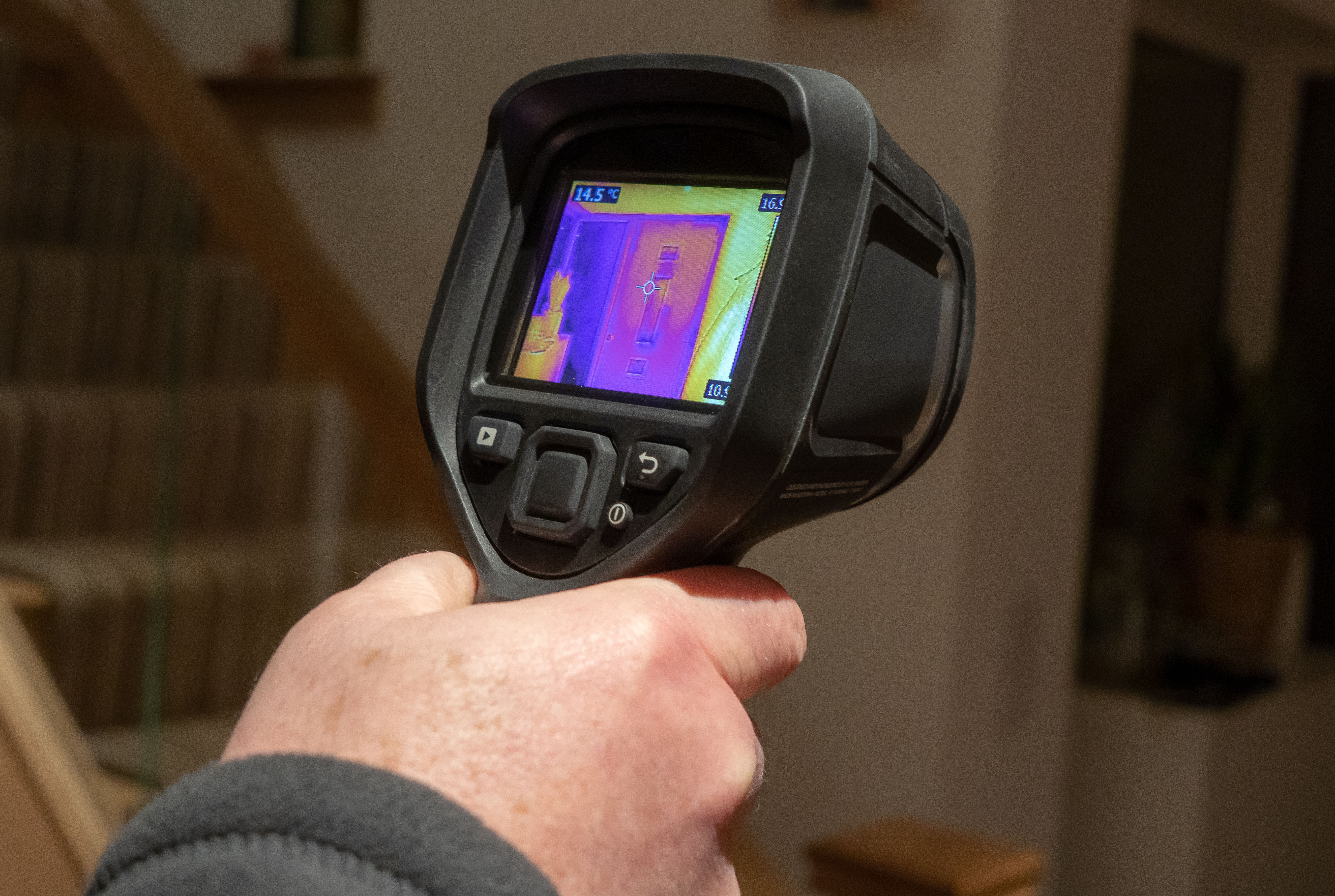
The three levels of home energy audits include:

  • Level 1: Review of your energy bills and home for signs of energy inefficiency and areas for improvement. The average cost range is $0.08 to $0.12 per square foot.

  • Level 2: A level 2 ASHRAE energy audit costs $0.12 and $0.35 per square foot. In-depth analysis of your energy usage and provides a report of cost-saving changes.

  • Level 3: Comprehensive analysis and detailed recommendations for ways to improve your home’s energy efficiency. A level 3 audit costs about $0.36 to $0.50 per square foot.

The Ethan, SD homeowners’ guide to energy efficiency auditing services

From average costs to expert advice, get all the answers you need to get your job done.