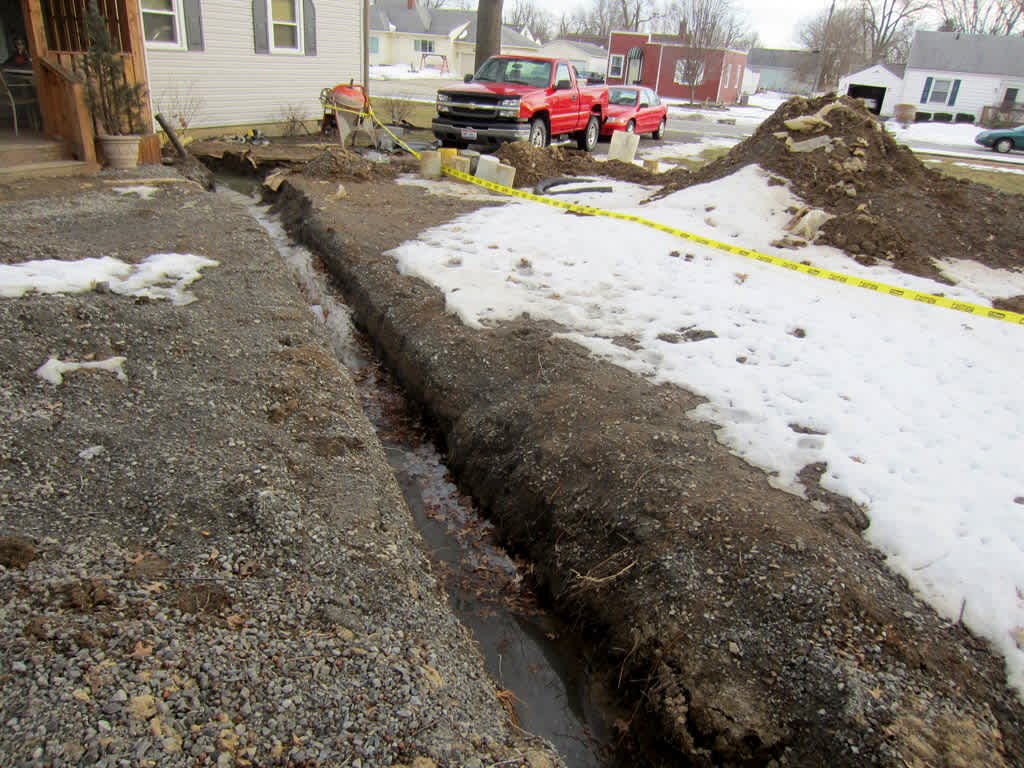
It's advisable to have your sewer line inspected every three to five years to ensure its proper functioning and detect any potential issues early on. However, the frequency of inspections can vary based on factors such as the age of your sewer system, the type of pipes used, and your property's location. If you notice any warning signs like slow drains, foul odors, or sewage backups, it's essential to schedule an inspection promptly, regardless of the regular maintenance schedule.
In most states, companies that perform sewer cleaning services don’t need specific licensing, but you should always ensure you hire a licensed and certified plumber to get the work done. You can use our state licensing tool to check whether the potential sewer cleaning company holds a plumber’s certification and license. Hiring a certified sewer cleaning services guarantees that the work will be done safely, there won’t be additional damage done to your home, and the problem will be fixed.
Yes, sewage smells can originate from a floor drain. If the P-Trap in the floor drain dries out or if there's a clog or other issue in the plumbing system, sewer gasses can escape through the drain, causing nasty odors. Regularly pouring water into the drain helps maintain the water seal and prevent those smells, but if the smell persists, you should have a plumbing professional inspect the drain for potential problems.
Unlike regular cleanings, snaking your sewer line should be done as needed. There’s no reason to snake your sewer line if you don’t have any noticeable issues, like slow drainage or plugged drains. You can add it to your regular sewer cleaning checklist as a prevention method (on the same 18- to 22-month schedule), but it’s not always necessary.
The cost to unclog a drain varies based on the location and severity of the clog. For simple clogs within your home, such as in a sink, toilet, or shower, hiring a plumber typically costs between $110 and $350, with an average of around $200. Snaking a toilet or sink usually costs between $110 and $275, while a bathtub or shower clog costs about $225.
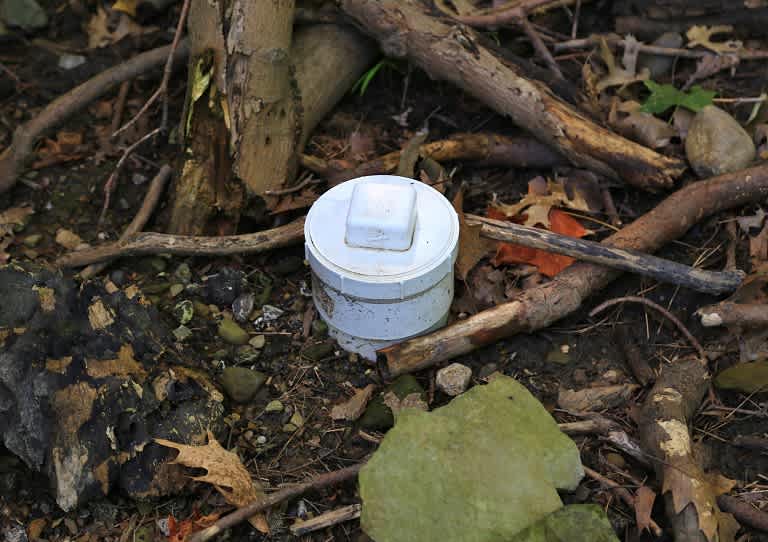
For a more serious clog in the main sewer line, the cost is higher. Clearing a main line clog generally costs between $200 and $600, with an average of about $380. However, prices can range from as low as $100 for snaking a minor clog to over $1,600, particularly if advanced methods like video inspection and hydrojetting are needed for a large or hard-to-reach blockage. Some severe main line clogs can cost upwards of $1,000 to clear depending on factors like the cause of the clog, its distance from an accessible cleanout, and whether the pipe is located beneath an occupied space (e.g., in an apartment building). You may be able to save money on minor clogs by using a drain snake or bladder yourself.
The Eureka, SD homeowners’ guide to sewer cleaning services
From average costs to expert advice, get all the answers you need to get your job done.
A clogged main sewer line can lead to gas or wastewater leaks. Find out what main sewer line clog repair costs by type of service, clog severity, and more.
Don't fall victim to unnecessary plumbing service. Learn five ways to avoid becoming the victim of a fraudulent contractor's sewer or drain-cleaning scam.