Doorbell Installation questions, answered by experts
Yes, crawl space insulation is worth it if installed correctly. Installing insulation in your crawl space will improve the air quality, help stabilize your home's temperature, lower your energy bills, and prevent pests from entering your home. Though you’ll pay more to install insulation initially, the savings you get from installing insulation can help offset those initial costs over time.
Natural fiber batts and spray foam insulation both work great for soundproofing. Newer materials, such as hemp batts, are more expensive but more effective for insulation and sound blocking. They are also more sustainable. There is also a professional system called Blow-In Blanket Insulation (BIBS) that is soundproof and moisture-resistant. However, BIBS must be installed professionally and can be a costly investment.
Minimal maintenance is required, though regular inspections to ensure insulation hasn't shifted or deteriorated can improve performance over time.
Yes, basement insulation needs a vapor barrier due to its susceptibility to moisture seeping in from the outside of the house. You should install a moisture barrier before you install insulation or purchase insulation that comes prebuilt with a moisture barrier to avoid water damage in your insulation and costly mold and water remediation expenses.
Yes, cold walls are a common indicator of poor or inadequate insulation, especially if the walls feel significantly colder than the air in the room. This suggests that heat from your furnace is escaping rather than being retained. The issue could be that the walls have no insulation, or that the existing insulation is old or has been damaged by water, moisture, or pests. Your best course of action is to hire a professional to investigate. An insulation contractor can determine if you need to add or replace insulation and can often perform the work without creating large holes in your drywall. If you suspect the problem might also be related to your heating system's performance, an HVAC technician can take a closer look.
The Eureka, SD homeowners’ guide to doorbell installation services
From average costs to expert advice, get all the answers you need to get your job done.
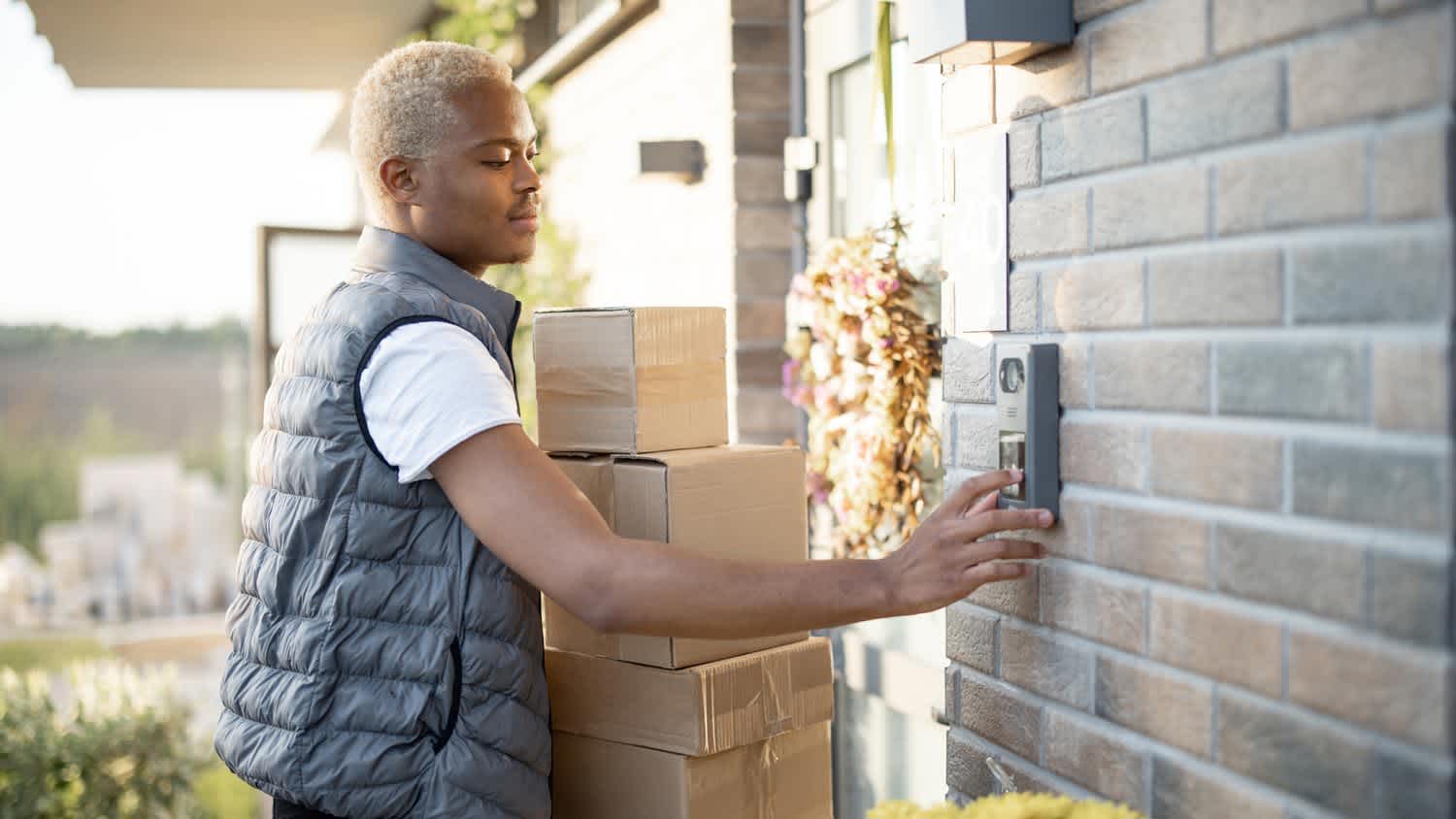
Ring a bell? From replacing a wired doorbell to setting up a smart home system, learn about typical doorbell installation costs, including materials and labor.
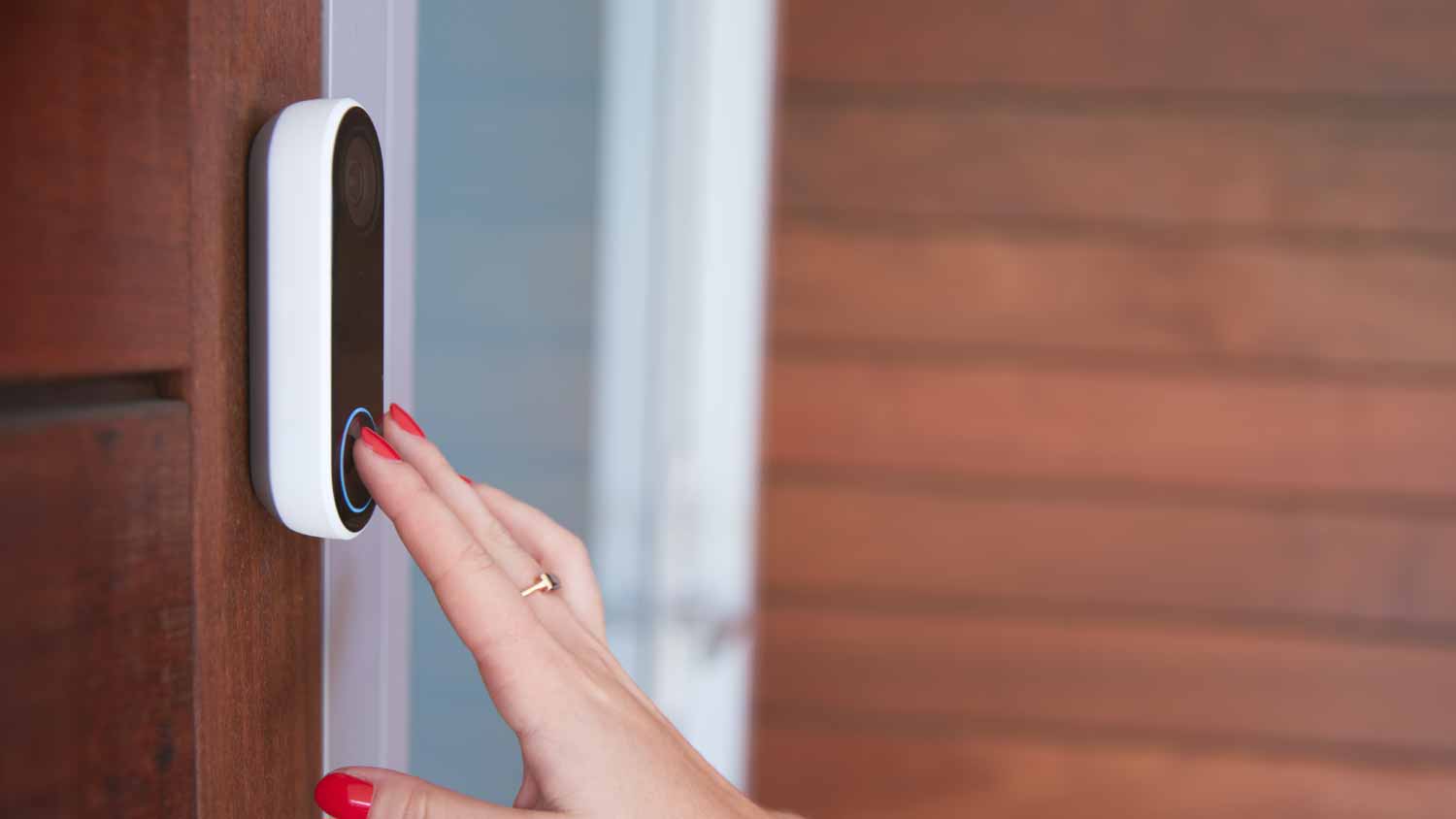
How much does it cost to install a doorbell camera? It depends on whether you plan to DIY or hire a pro. Learn about different models and their power sources, too.
Doorbell wiring is a project you can DIY. This guide covers everything you need to know, from different types of doorbells to wiring, and how to remove an old doorbell.
Ready to upgrade your front door and learn how to wire a doorbell? You may be able to handle this relatively simple DIY installation without an electrician.