



Top-rated deck staining pros.

Get matched with top deck staining pros in Arlington, SD

Enter your zip and get matched with up to 5 pros

Need a pro for your deck staining project in Arlington, SD?

Select your specific project to find the pro for you.

Find Deck staining pros in Arlington

Avatar for E&E Painting
E&E Painting
New to Angi

Serving Arlington, SD and surrounding areas

In business since 2016

Free estimates

We have 8+ years of experience on our staff. We guaranty all of our work to the finest quality. There is no job too big or too small that we cant handle in a very timely manner. Please don't hesitate to call today.

interior painting work
exterior painted work
Response time10 mins
Showing 1-10 of 13
Deck Staining questions, answered by experts

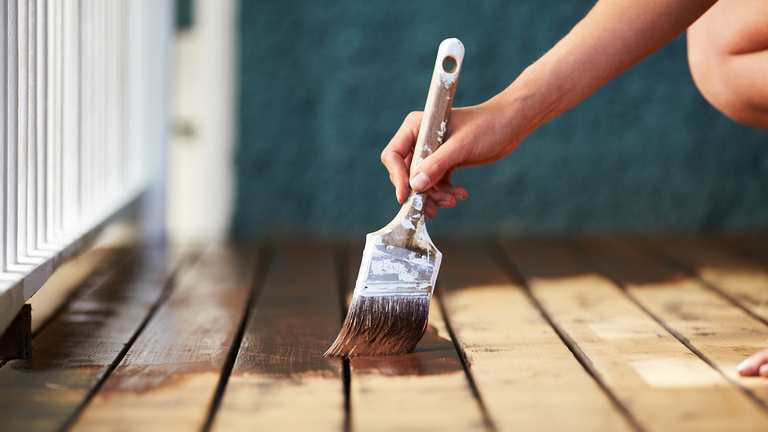
Staining a deck with a rag is typically a better option than using a brush, as it helps the stain penetrate deeper into the wood. However, both brushes and rags are best reserved for detailed work because using these tools on an entire deck can require tediously crawling around on your hands and knees. A pad applicator, sprayer, or roller are preferred alternatives to applying stain over the majority of a deck. Use a rag for railings and other detailed work, and let the wood soak up as much of the stain as possible before wiping away drips or pools.

No, it is not okay to paint over rotted wood. Painting over rotted wood will not address the underlying issue and can trap moisture, leading to further decay. Properly addressing the rotted wood by removing and replacing or repairing the damaged areas is necessary before you can even consider painting.

DIY is possible but presents risks of uneven surfaces or improper adhesion; professionals offer expertise to ensure a lasting finish.

The need for a topcoat on a painted deck depends on various factors, primarily the type of paint used and your desired level of protection. Many premium deck paint formulations are self-sealing, eliminating the necessity for an additional topcoat. These paints often have built-in additives that substantially protect against moisture, UV rays, and everyday wear and tear.

Applying too much sealer to a deck might seem like extra protection, but it can cause more harm than good. Wood is a porous material with a limited capacity to absorb liquids. When you go overboard with sealer, the excess can't soak in and instead forms a film on the surface. This leftover layer is prone to peeling, cracking, and trapping moisture, ultimately defeating the purpose of sealing in the first place. 

The Arlington, SD homeowners’ guide to deck staining services

From average costs to expert advice, get all the answers you need to get your job done.