







Get matched with top deck staining pros in Montrose, SD
Top-rated deck staining pros.

Need a pro for your deck staining project in Montrose, SD?

Select your specific project to find the pro for you.

Find Deck staining pros in Montrose

Avatar for JWM Construction LLC
JWM Construction LLC
5.0(
5
)

Serving Montrose, SD and surrounding areas

In business since 2024

Free estimates

Emergency services offered

"I have hired these JWM twice now. And both times they did a great job. They will be the first guys I call when I go at my next project. If you're reading this you should hire these guys."
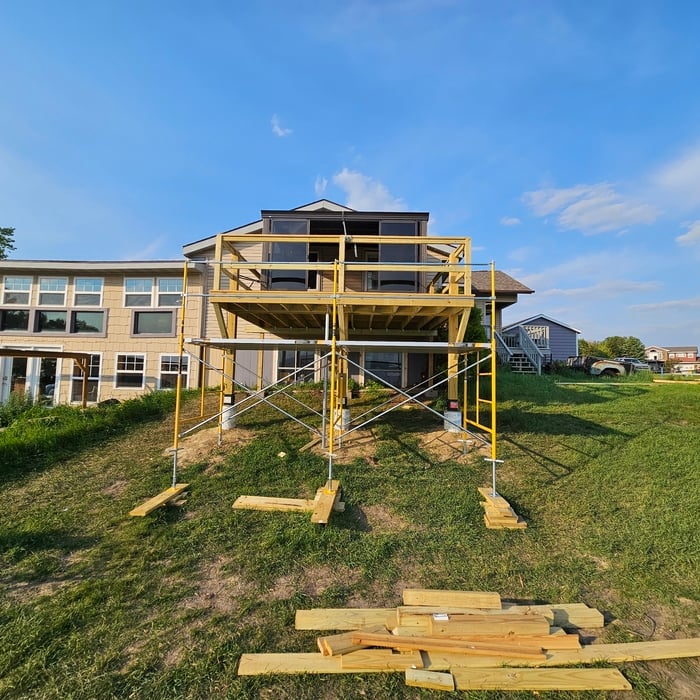
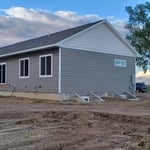
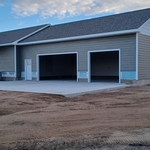
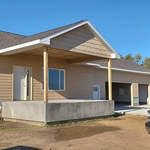
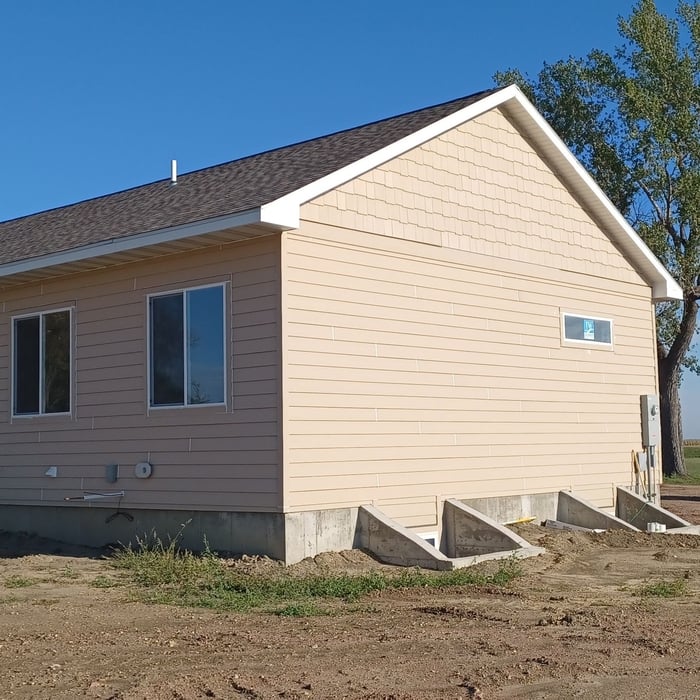
New deck build
New deck build
New deck build
New deck build
New deck build

+21

Response time3 days
Response rate89%
Showing 1-10 of 27
Deck Staining questions, answered by experts

Limewash and whitewash are two techniques used to give brick a light, matte finish, but they differ in composition, application, and permanence. The best choice depends on your aesthetic goals and the specific surface.

Composition

  • Limewash: A natural and environmentally friendly option made from limestone, water, and sometimes pigments. It is breathable and soaks into porous surfaces like brick.

  • Whitewash: Traditionally made from lime, water, chalk, and binders, but a similar look can be achieved with watered-down white paint. It is paint-based and sits on top of the surface.

Appearance and Finish

  • Limewash: Provides a natural, textured appearance that allows the brick's character to show through. It offers a more traditional finish.

  • Whitewash: Creates a softer, more opaque finish, often used for a rustic or shabby-chic style.

Application and Permanence

  • Limewash: Is semi-permanent and can be removed, making it a good choice if you might want to change the look in the future. It requires more skill to apply and cannot be used on previously painted brick.

  • Whitewash: Is a more permanent solution. It is more forgiving to apply and can be used on painted brick. However, because it sits on the surface, it can trap moisture.

Ultimately, if you want a breathable, natural, and reversible finish for unpainted brick, limewash is a great option. If you need a more permanent, opaque coating that can be applied over painted surfaces, whitewash is the better choice. Whitewashing may also be more economical, costing approximately $1.40 to $4.20 per square foot.

Yes, beginners can use a paint sprayer, but there is a learning curve. It's important to go slowly, read the instructions thoroughly, and spend some time learning the technique. Watching tutorial videos for your specific paint sprayer model can be very helpful. Before starting your main project, practice on a scrap surface to get used to the sprayer and avoid common issues like overspraying, which can cause drips, bubbles, and other imperfections. For safety, always wear a mask and gloves, and be careful not to touch the sprayer's tip when it's in use, particularly with high-powered airless sprayers.

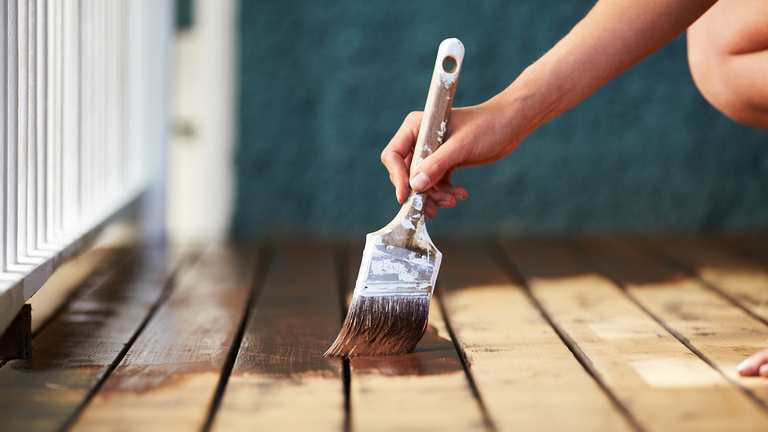
Your tool of choice ultimately comes down to personal preference. Many DIYers prefer applying stain with a lint-free rag, but others stick with a paint brush or a roller. Wipe the stain and work it into the wood, working with and against the grain. If you’re applying multiple coats, allow the stain to dry for around four hours between coats.

A wood deck requires annual cleaning and regular inspections for loose or broken boards, nails, and screws. It should be refinished by applying a stain or sealer every two to three years to protect the wood from water damage, rot, mildew, and sun fading. The exact frequency can depend on the climate and the deck's exposure to sun and moisture. If your deck is painted, it will need repainting approximately every 10 years. Signs that your deck needs refinishing include faded, splintering, or warping boards.

Unless you’re using a 2-in-1 formula or painting over an existing coat of paint, it pays to apply a coat of primer ahead of your new paint. Decks see a lot of footfall and exposure to extreme and sudden temperature changes and moisture levels. The primer promotes better paint adhesion, moisture repellency, and a smoother finish, which means you’ll often need fewer coats of paint. 

The Montrose, SD homeowners’ guide to deck staining services

From average costs to expert advice, get all the answers you need to get your job done.