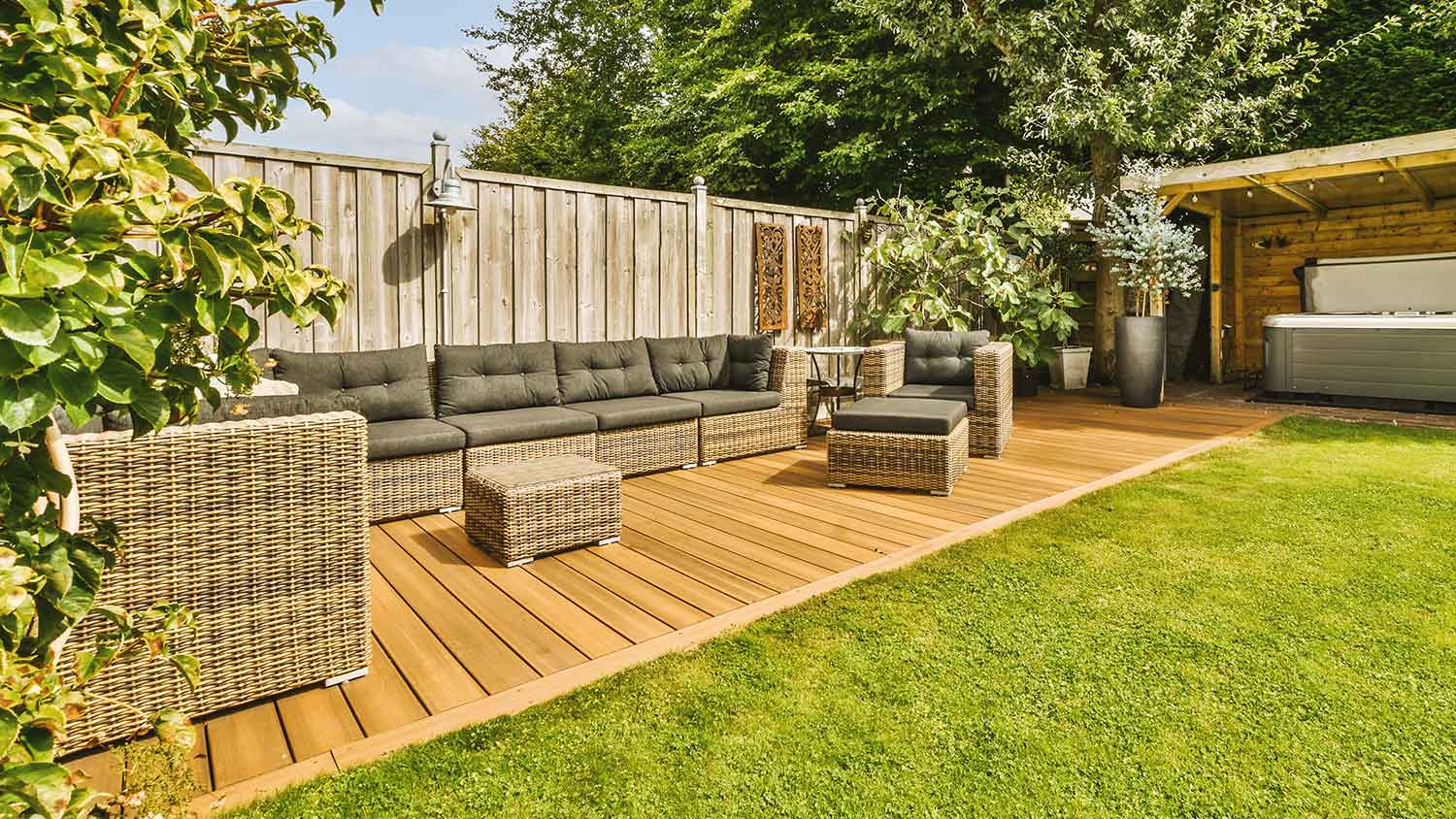








Top-rated deck staining pros.

Get matched with top deck staining pros in Salem, SD

Enter your zip and get matched with up to 5 pros

Need a pro for your deck staining project in Salem, SD?

Select your specific project to find the pro for you.

Find Deck staining pros in Salem

Avatar for Ray's Painting
Ray's Painting
5.0(
6
)
Exterior Home or Structure - Paint or StainExterior Home or Structure - Paint or Stain: LargeExterior Home or Structure - Paint or Stain: Medium

Serving Salem, SD and surrounding areas

In business since 2013

Free estimates

Emergency services offered

"Rays painting did an excellent job. They fixed loose boards and replaced bad siding before painting. Ray and his crew were prompt and courteous. They cleaned up after themelves and didn't leave a mess. Very happy with there work and have had numerous compliments from friends and family."
Tank painting
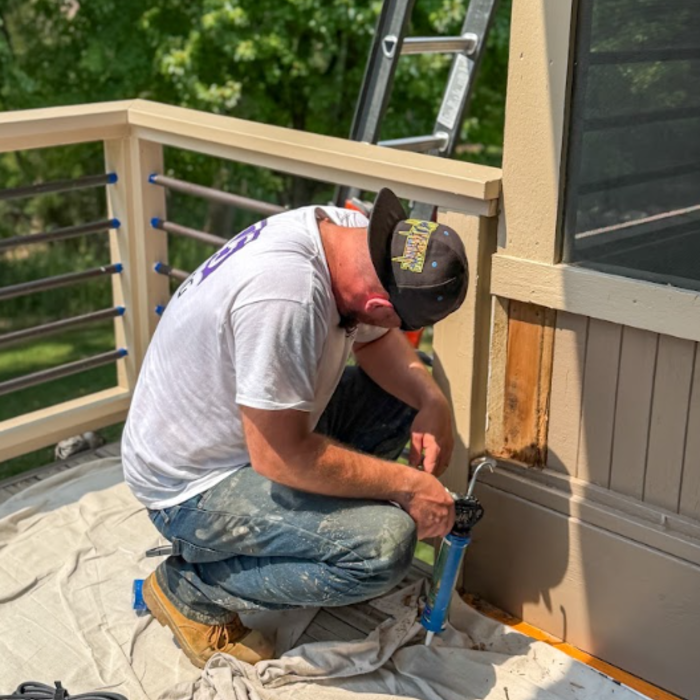
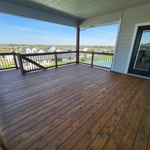
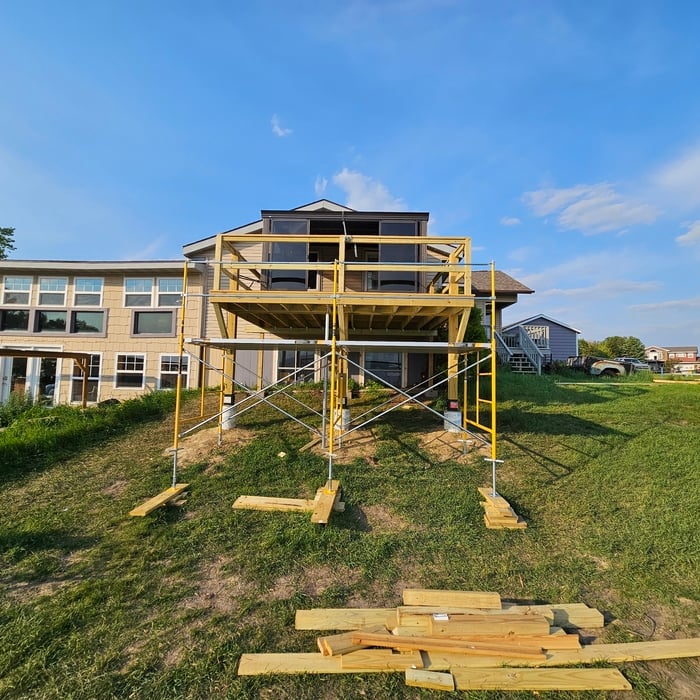
Additional Photos
Additional Photos
Additional Photos
Additional Photos

+8

Recommended by100%of homeowners
Showing 1-10 of 24
Deck Staining questions, answered by experts

If you don’t treat a cedar fence, it will turn from reddish brown to gray over time. You can keep the cedar from graying and retain its attractive, deep red color by sealing your cedar fence with a stain that keeps the wood’s oils in and serves as a barrier against the sun’s UV rays.

Hot, intense sunshine can cause your stain to dry too quickly, which could lead it to look uneven or patchy. If you’re staining the deck during hotter months, it’s best to do it in the morning or evening once the wood has had time to cool down. If you’re staining in cooler weather with less sunshine, the time of day won’t make as much of a difference.

You’ll need to restrain your deck when you notice fading, cracking, peeling, or mold and mildew over a moderate to large area, or when it’s become especially difficult to clean. As for how often to stain a deck, plan to do it every two to three years or whenever you start to notice extended damage.

Applying a sealer or topcoat after staining wood is highly recommended, though not always strictly required. A sealer protects the wood from moisture, UV rays, and weather-related issues, which is especially important for outdoor surfaces like decks and fences. It also enhances the stain's durability, prevents fading over time, and gives the wood a cleaner, more professional-looking finish. For some indoor applications, a sealer may not be necessary, depending on the type of stain used and the level of protection needed. It's always best to check the stain manufacturer's recommendations and consider the wood's intended use and exposure when deciding whether to apply a sealer.

Choosing whether your deck should be lighter or darker than your house is a matter of personal preference, as there is no right or wrong answer. However, considering the pros and cons of each can help guide your decision. Darker colors are often chosen because they show less dirt, footprints, and marks from daily wear, making them easier to keep clean. On the other hand, lighter deck colors tend to stay cooler in the summer. From a design perspective, using a deck color that contrasts with your home's exterior can help make the deck a more defined and distinct feature. Consulting color theory can also make the process of choosing a complementary house and deck color combination easier.

The Salem, SD homeowners’ guide to deck staining services

From average costs to expert advice, get all the answers you need to get your job done.