"Amanda was really very good! At first I was very skeptical, thinking why did I pay money to just speak with someone on the phone about my kitchen remodel project... but after just a few minutes of her addressing some of the issues/questions I emailed to her earlier, I knew it was worth it. It was very clear that she knew her business and she gave me several ideas that I had not even thought about. I told her that I would definitely recommend her to friends and I will very likely use her again myself for my next home project!
David Ferguson's construction business is dedicated to quality and outstanding customer service. Our job is to provide you with quality service at a great price. Please don't wait call us today.
Home improvements that increase value offer a high return on investment (ROI) and can enhance your quality of life. Upgrades to your home’s curb appeal often add the most value, with garage door replacement having one of the best ROIs at 93%. Other high-value exterior projects include replacing your front door, upgrading siding and roofing, installing a stone veneer, adding new windows, and landscaping. For interior renovations, a fresh coat of paint provides an excellent ROI. Major projects like a kitchen remodel or upgrading appliances and HVAC systems also add significant value, as potential buyers appreciate the peace of mind that new equipment provides.
Yes, most general contractors require an initial down payment, typically between 10% and 25% of the total project cost. This upfront payment helps cover the costs of materials, permits, and subcontractors. The remaining project costs are usually billed after specific project milestones are reached or on set completion dates, as outlined in your contract. Be wary of contractors who require a significant deposit of 50% or more upfront, as this could be a red flag for a scam.
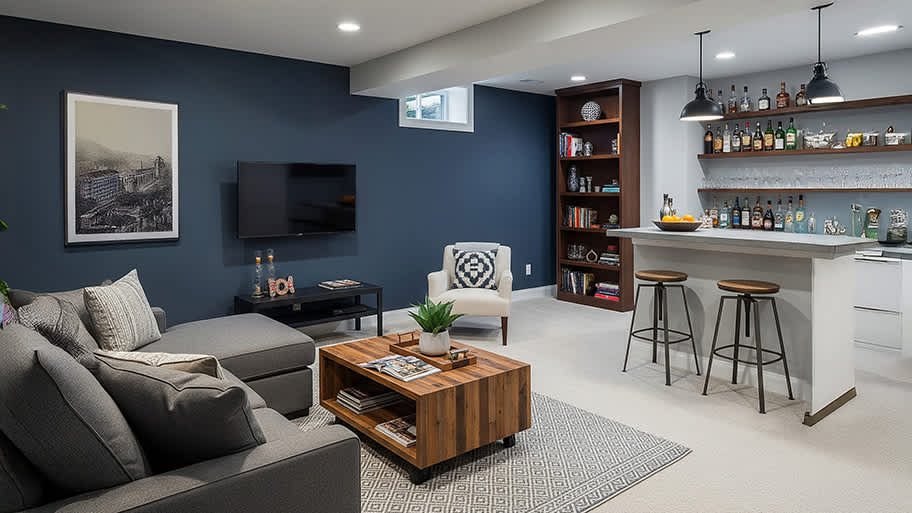
Building a bar in the basement will likely add value to your home, although it’s unlikely that you’ll see a significant return on investment (ROI) unless you plan on using the space for you and your guests. If you think you’ll use the area frequently, though, it’s probably worth the investment, and you should see a bump in value if or when you sell your property.
If you’re not sure which method of raising the ceiling is best for you, here are a couple of considerations to help you make that decision. A professional ceiling company will be able to help you determine the best option for your home.
How long you are planning to live there: although raising the basement ceiling will increase the value of your home, if you’re planning to sell the house, then go for raising the house.
The condition of the foundation: to lower the floors, your foundation has to be intact whereas raising the house will allow you to restore the damaged foundation.
Framing a basement takes three to five days, on average, when completed by a professional, though it may take longer for a larger space. Keep in mind this doesn’t include the time to complete the design, obtain permits, and install the drywall on the framing. On average, fully finishing a basement takes an average of 45 days.
The Allen, SD homeowners’ guide to basement remodels
From average costs to expert advice, get all the answers you need to get your job done.
Hiring a bad basement remodeler can wreak havoc on the look and longevity of your unfinished space. Here are red flags to look for as you vet basement contractors.