
Top-rated wallpaper removers.

Get matched with top wallpaper removers in Union, SC

Enter your zip and get matched with up to 5 pros

Need a pro for your wallpaper removal project in Union, SC?

Select your specific project to find the pro for you.

Find Wallpaper removers in Union

Avatar for Professionals painting
Professionals painting
4.9(
41
)
Wallcovering or Wallpaper - Removal

Serving Union, SC and surrounding areas

Free estimates

"Jose and his team were awesome. Very professional and great at what they do. They payed attention to details and went the extra mile for us. I would definitely recommend them to anyone needing painting done."
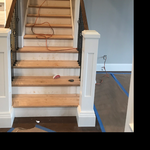
Additional Photos
Additional Photos
Additional Photos
Additional Photos
Additional Photos

+9

Recommended by100%of homeowners
Avatar for Diversified Business Services
Diversified Business Services
5.0(
6
)
Wallcovering or Wallpaper - Removal

Serving Union, SC and surrounding areas

In business since 2019

Free estimates

Emergency services offered

"Went like clockwork. Great company, fast service, professional workers. They went over and above to make this client happy. They cleaned up so I never would have known they were there, except that the tree was gone. Spencer and Lauren, and their crew, are the best. Would recommend them any day of the week and twice on Sunday!"
Additional Photos
Additional Photos
Additional Photos
Additional Photos
Additional Photos

+48

Recommended by100%of homeowners
Showing 1-10 of 11
Wallpaper Removal questions, answered by experts

Using a fabric softener solution is a popular and low-cost DIY method for removing wallpaper, but its effectiveness is limited. While it may work on some types of wallpaper, it is unlikely to be successful on vintage styles, and there is no evidence that it is more effective than other removal methods. There are also several potential downsides: the solution can leave behind a residue that may damage your walls or interfere with the adhesion of new wallpaper. Additionally, this method can create a strong, overpowering aroma that takes a long time to dissipate, making it a poor choice for homeowners sensitive to smells.
While it is possible to paint over wallpaper, it is generally better to remove it first to guarantee a smooth, professional finish. Painting over wallpaper can save time, but it may lead to issues if not done correctly.

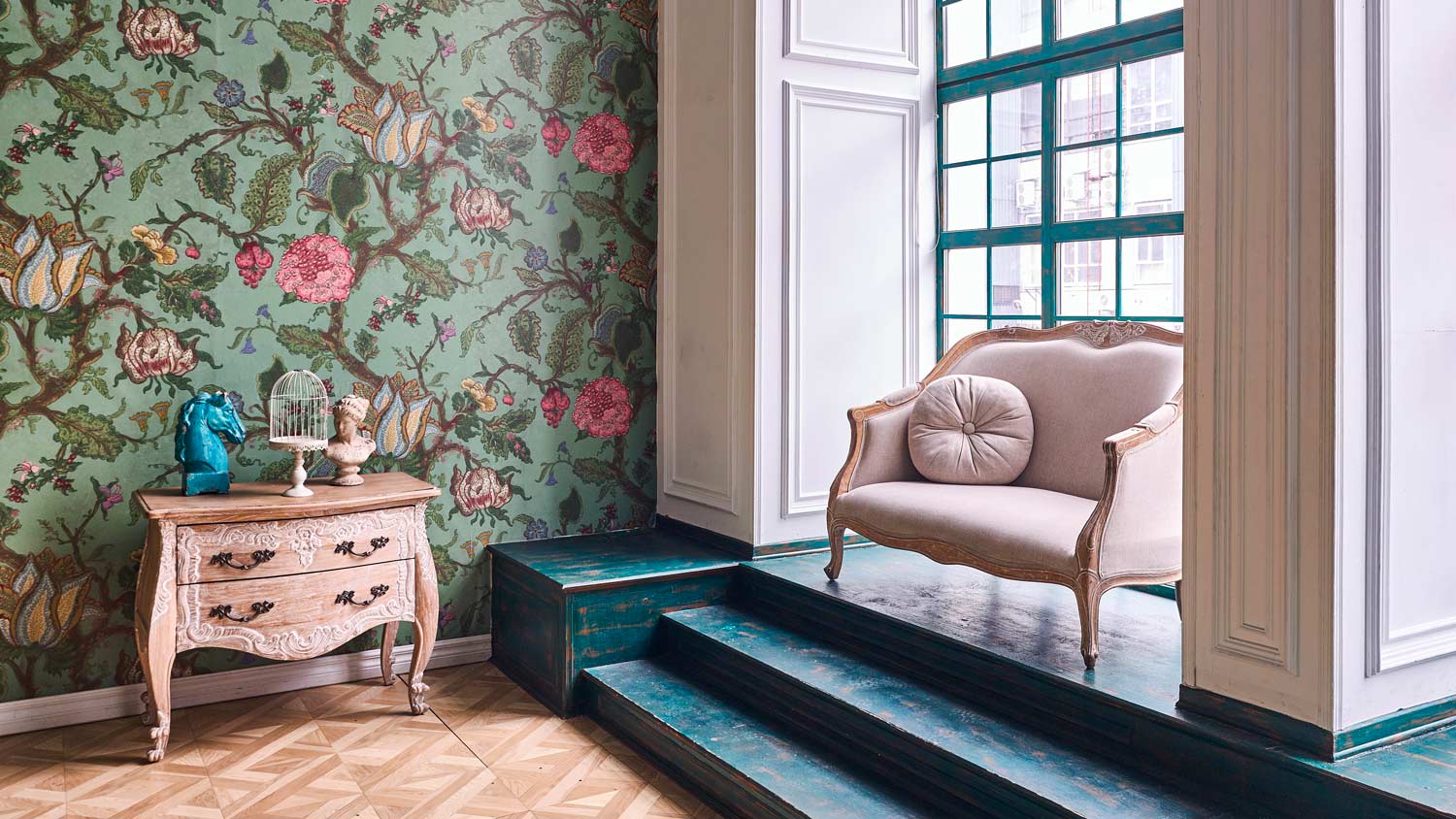
You can paint over existing wallpaper if it is in excellent condition: smooth, non-textured, clean, and firmly adhered to the wall. Ensure there are no bumps, tears, or peeling areas, and that all corners and seams are securely glued down. You might also consider painting over wallpaper if removing it would damage the underlying wall. Additionally, some wallpapers are specifically designed to be paintable, which can add texture to a room.

However, there are risks. If the wallpaper is textured, damaged, or peeling, these imperfections will show through the new paint. The moisture from the paint can also loosen the wallpaper's adhesive, causing it to bubble and potentially damage the wall. To mitigate these issues, clean the surface thoroughly and use an oil-based primer to help the paint adhere and prevent the old adhesive from bleeding through.

While textured walls can elevate a space in many ways, there are a couple of downsides to consider. Namely, they’re hard to clean, and some textures fall out of fashion quickly. Make sure to consider all your options to find one you truly love before diving in. 

In most cases, it is not recommended to wallpaper over existing wallpaper, as the success depends on the type of paper already on the wall. While you might be able to cover non-coated wallpaper, you should never apply new wallpaper over a vinyl-coated one, which is more common. Doing so can lead to poor adhesion, resulting in bubbles, imperfections, and peeling. It can also trap moisture, potentially causing hazardous mold growth between the layers.

Even if the existing wallpaper is suitable, experts recommend applying only one new layer. Adding multiple layers (more than two total) can cause significant adhesion problems, leading to warping and bubbling. For the best results, the recommended approach is to remove the old wallpaper and all paste residue before hanging the new paper. If you are unsure about your wallpaper type, consider consulting a professional.
Rubbing alcohol may help dissolve stubborn wallpaper adhesive that remains after removal, but be sure to apply it carefully to prevent damaging your walls. Apply a small amount using a cotton swab or pad, then gently scrape or wipe the adhesive away.

The Union, SC homeowners’ guide to wallpaper removal services

From average costs to expert advice, get all the answers you need to get your job done.