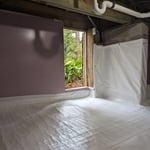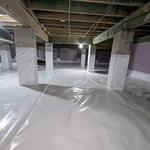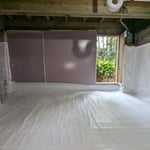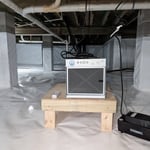









Top-rated drywall insulation pros.

Get matched with top drywall insulation pros in Pinopolis, SC

Enter your zip and get matched with up to 5 pros

Need a pro for your drywall insulation project in Pinopolis, SC?

Select your specific project to find the pro for you.

TRUSTED BY PINOPOLIS, SC HOMEOWNERS

  • Average homeowner rating star icon4.5
    Average homeowner rating
  • Verified reviews icon160
    Verified drywall insulation services reviews

Find Drywall insulation pros in Pinopolis

Avatar for Apex Home Innovations, LLC
Apex Home Innovations, LLC
4.8(
25
)

Serving Pinopolis, SC and surrounding areas

Approved

In business since 2017

Free estimates

Emergency services offered

"Mr. Miller, with Apex, is SUPER easy to work with and will do you good! They did an awesome job with removing and adding new insulation. They ended up going above and beyond and even doing a little extra work for me!"
Response time5 days
60 neighbors recently requested a quote
Recommended by85%of homeowners
Avatar for C4 Energy Insulation LLC
C4 Energy Insulation LLC
5.0(
2
)

Serving Pinopolis, SC and surrounding areas

In business since 2021

Free estimates

"It went very well, the prices were excellent, he's very thorough, crews were very polite, they were nice and they did such a good job. The owner called us and he's such a nice person, they did an excellent work and gave excellent prices. If anybody needs insulation in their house, they should call them."
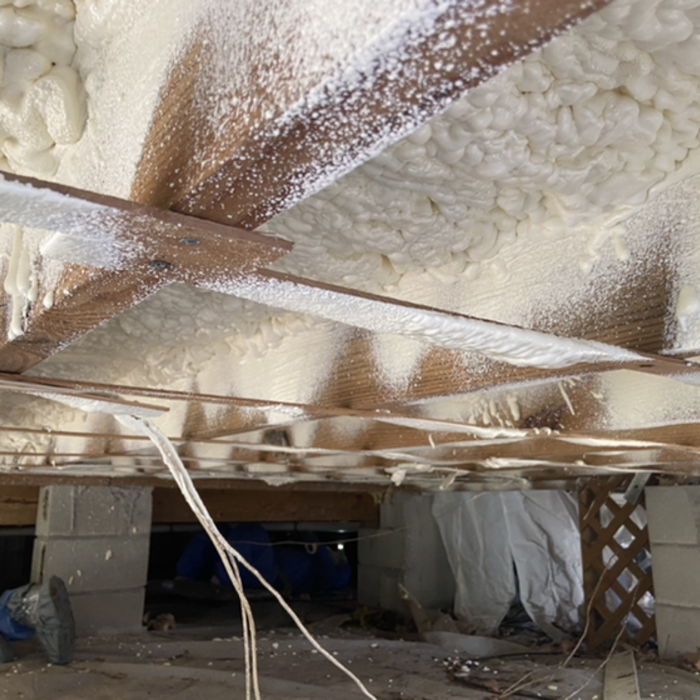
We added Spray foam insulation on a Mid floor floor for sound

+4

Recommended by100%of homeowners
Avatar for C4 Energy Insulation
C4 Energy Insulation
4.4(
7
)

Serving Pinopolis, SC and surrounding areas

In business since 2010

Free estimates

Small jobs welcome

"Carlos did Excellent work. He knows about insulation very well. I’m all about supporting Smalls business. Carlos and his were very professional and thorough with the job. Thanks again Carlos! Highly recommended."
Response time1 day
Recommended by71%of homeowners
Showing 1-10 of 25
Drywall Insulation questions, answered by experts

If your home was built before the 1940s and was not remodeled in the past 50 or so years, you probably have plaster walls. Aside from assuming, there are some practical ways to tell if you have plaster walls, including the following: If you knock on the wall and it feels solid, not hollow, if you can’t insert a thumbtack easily, if there are cracks that look like spiderwebs, or if your home has curved, arched, or swirled walls, doorways, or window openings.

If you have an unfinished basement or attic, you could examine the backs of any finished walls to check, too.

Most drywall used for interior walls of homes is 1/2-inch thick. This size strikes a balance of being easy to handle and hang while being thick enough for the durability needed on interior wall applications.

Water-damaged drywall should almost always be replaced. Not only does it look bad, it’s a breeding ground for toxic mold. Even if you think the area is dry and there’s no active leak, the only way to be sure is to cut out the damaged area and see for yourself.

All plaster walls will crack over time due to normal house settling and expansion and contraction from temperature and moisture changes. Small, thin hairline cracks are generally not serious and are mostly a cosmetic issue. However, larger or more significant cracks can indicate structural problems.

Here's how to tell the difference:

  • Cosmetic Cracks: Cracks that are 0.5 cm (0.2 inches) or thinner are typically cosmetic.

  • Structural Cracks: Cracks wider than 0.5 cm, excessive or deep cracks, multiple cracks in the same area, or cracks that span around corners can signify a structural or foundation issue. Cracks along the joints where walls meet the ceiling also warrant attention.

For cracks wider than 0.5 cm, structural repair is needed. If a crack is 2.5 cm (1 inch) or wider, or if you notice any signs of a structural problem, it is best to contact a plaster repair professional to assess the damage.

The two most common drywall thicknesses for ceilings are 1/2-inch and 5/8-inch. For most standard residential applications, 1/2-inch drywall is sufficient and widely used. It provides adequate support and is lighter and easier to handle during installation compared to thicker sheets. However, 5/8-inch drywall is often used for specific cases where additional benefits are needed. It is heavier but provides superior sound dampening and fire resistance. You should consider using 5/8-inch drywall for ceilings in commercial buildings, between a garage and a living space, or above a finished basement to meet building codes or for enhanced soundproofing.

The Pinopolis, SC homeowners’ guide to drywall insulation services

From average costs to expert advice, get all the answers you need to get your job done.