




Top-rated deck repair pros.

Get matched with top deck repair pros in North, SC

Enter your zip and get matched with up to 5 pros

Need a pro for your deck repair project in North, SC?

Select your specific project to find the pro for you.

TRUSTED BY NORTH, SC HOMEOWNERS

  • Average homeowner rating star icon4.8
    Average homeowner rating
  • Verified reviews icon21
    Verified deck repair services reviews

Find Deck repair pros in North

...
Showing 1-10 of 82
Deck Repair questions, answered by experts

Composite decking is the best material for individuals living with disabilities who want to age in place. The material is anti-slip, which increases safety throughout the year. It’s also highly durable and requires minimal maintenance, so it doesn’t add another item to the individual’s to-do list. It’s also a good option for improving wheelchair accessibility at home, as it can easily manage a wheelchair ramp.
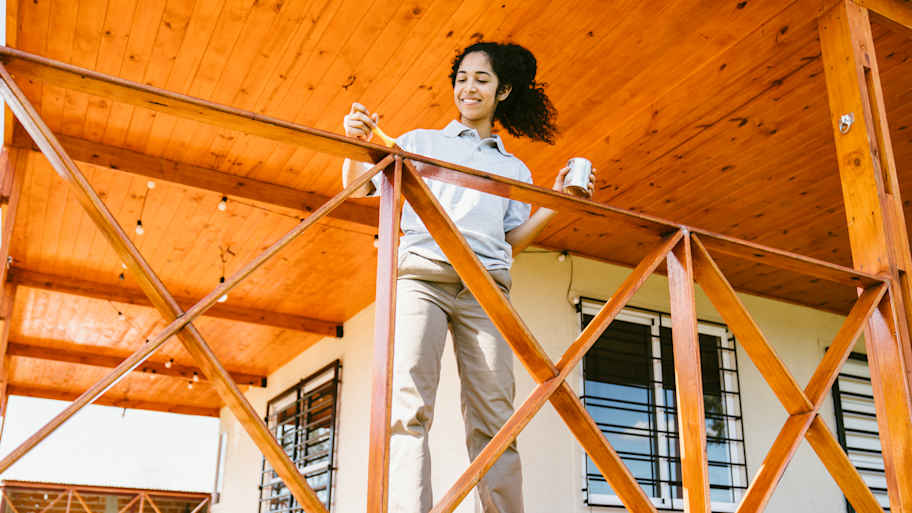
Materials for a second-story deck must be weather- and rot-resistant, though the specific choices will largely be determined by your budget and style preference. Pressure-treated wood is on the lower end of the price scale, but it can be customized and stained the way you like it. Composite, on the other hand, is pricier for installation and has fewer options for customization, but you’ll save money and time in the long run because it requires little maintenance.

DIY staining or painting is manageable with proper preparation, including safety measures, necessary tools, and adherence to safe weather conditions for application.

It depends on the type of wood. The average cost to build a deck out of pressure-treated lumber is $15 to $25 per square foot, but more affordable varieties such as bamboo and cedar cost less at around $3 to $10 per square foot. However, when comparing the cost of vinyl decking versus wood decking, it’s important to also consider ongoing maintenance costs. For example, most woods require regular sealing to keep them protected against weather and rot.

Ideally, a gate should be able to swing both in and out. However, if it can only open in one direction, it is generally best for it to swing inward. This is often the safest option, especially for deck gates near steps, as you'll want the gate to swing away from the stairs. An inward swing also prevents the gate from opening into a public space, like a sidewalk, and can be more convenient when carrying heavy items like a wheelbarrow into a garden.

There are exceptions, however. The layout of your property may require a different approach. For example, if your property is on a slope, the gate may not be able to swing inward. You should also ensure the gate can open fully without colliding with any objects or blocking access to other areas. For a backyard garden gate where public access isn't a concern, the direction it swings is largely a matter of personal preference. Finally, always check your local building codes, as they may have specific requirements for which way a gate must swing.

The North, SC homeowners’ guide to deck repair services

From average costs to expert advice, get all the answers you need to get your job done.