

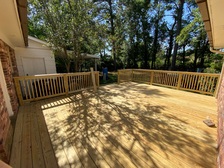

Top-rated deck repair pros.

Best deck repair pros near Pelion, SC

Enter your zip and get matched with up to 5 pros

Need a pro for your deck repair project in Pelion, SC?

Select your specific project to find the pro for you.

TRUSTED BY PELION, SC HOMEOWNERS

  • Average homeowner rating star icon4.5
    Average homeowner rating
  • Verified reviews icon80
    Verified deck repair services reviews

Top-Rated Deck repair pros in Pelion - Updated Nov 2026

Avatar for C&C Property Care LLC
C&C Property Care LLC
5.0(
5
)
Deck or Porch - Repair - For Business

Serving Pelion, SC and surrounding areas

Approved

In business since 2022

Free estimates

Credit card accepted

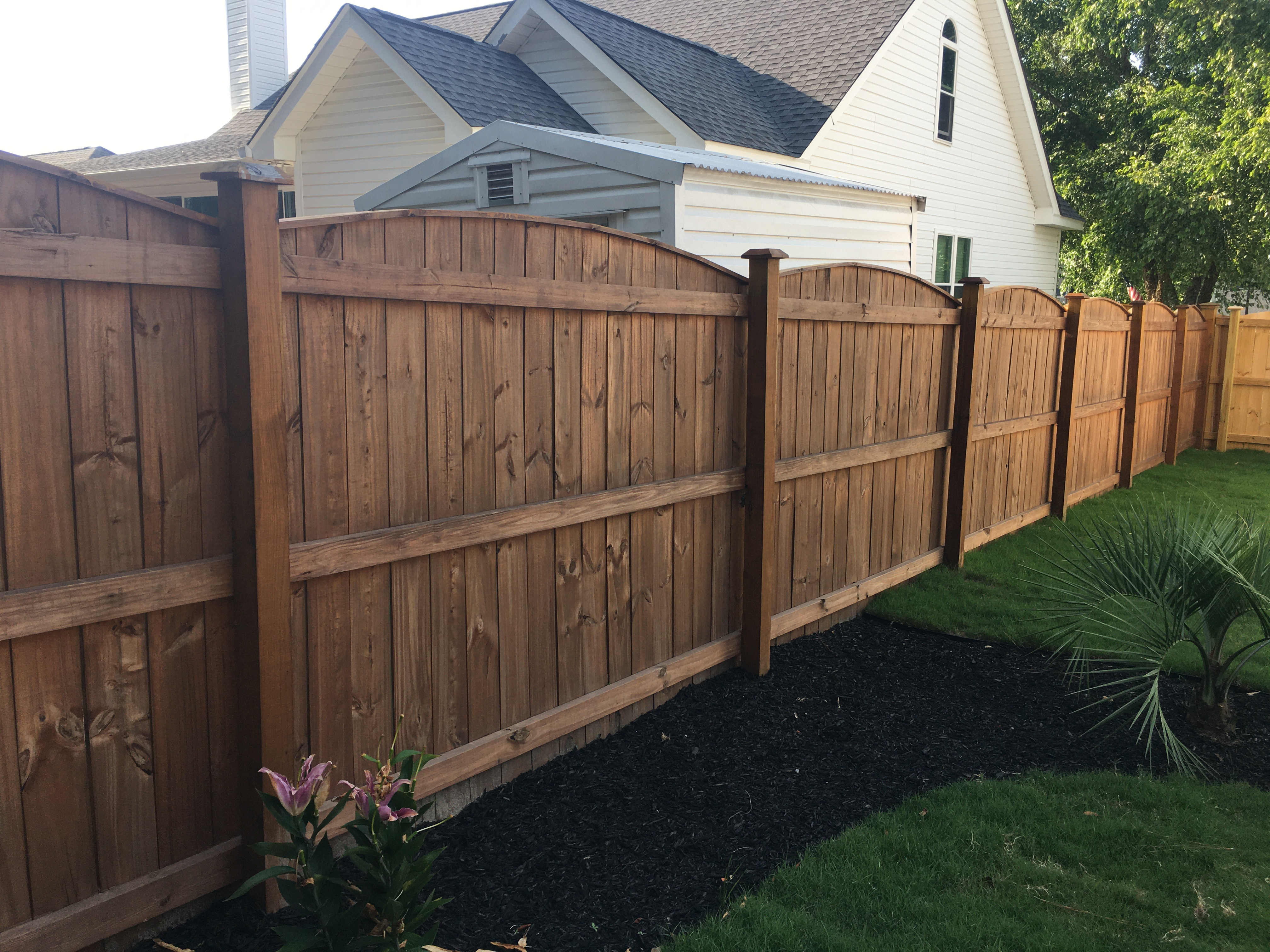
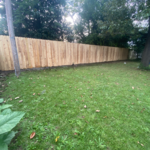
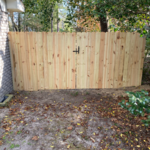
"I had the pleasure of recently working with C&C property care … I was in desperate need of replacing a section of my fence as well as a new gate . Their work was outstanding, professional, courteous, and extremely reasonable…. Don’t hesitate to hire this company.. it’s so nice looking out in my yard again and seeing a beautiful new fence . Joan Dooley, Lexington, South Carolina."
Response time2 days
9 neighbors recently requested a quote
Recommended by40%of homeowners

...
Showing 1-10 of 121
Deck Repair FAQs, answered by experts

The overhang, or nosing, of deck steps is another area that will be covered in building code requirements. The noses on your deck steps should have a minimum overhang of ¾ inch. For safety, usability, and code compliance, the nosing of deck steps should not extend past 1¼ inches.

The proper and most comfortable height for a deck stair riser, also called a step, is between four and seven inches. A height of seven inches is often considered ideal for a strain-free step that minimizes the risk of trips and falls. While it is possible to have risers up to 12 inches, this height can be challenging for children, pets, or individuals with mobility issues. For optimal safety and comfort, pair a seven-inch riser with a tread depth (or run) of at least 10 to 12 inches. Always check your local building codes, as they may have specific requirements that differ from these general recommendations.

You can build an outdoor kitchen on a deck, but you should choose composite decking since it's more heat-resistant. Metal deck materials like steel and aluminum are also good choices because they're less flammable than wood. You should also consider the weight of the kitchen—make sure your deck can support it and any appliances you plan to use. You should consult a structural engineer to confirm exactly how much weight your deck can safely support when building an outdoor kitchen. 

Floating decks are a cost-effective and versatile option, but they come with some compromises. Since they sit on smaller footings instead of being deeply anchored, they’re more likely to shift over time, especially in areas with heavy rainfall or freeze-thaw conditions. Their low-to-the-ground design makes them more susceptible to moisture buildup and potential water damage.

Yes, it is generally safe to have a fire pit on a deck, but you must adhere to building codes and take several safety precautions. For both built-in and freestanding models, you must use a heat-resistant barrier, such as a fire pit pad or heat shield, between the pit and the deck. Additionally, consider the weight of the fire pit and ensure your deck can structurally support it, reinforcing it if necessary. The fire pit must also be positioned a safe distance from your house, particularly from materials like vinyl siding, to prevent heat damage.

The Pelion, SC homeowners’ guide to deck repair services

From average costs to expert advice, get all the answers you need to get your job done.