





Top-rated mulch and topsoil pros.

Best mulch and topsoil pros near Nesmith, SC

Enter your zip and get matched with up to 5 pros

Need a pro for your mulch and topsoil service project in Nesmith, SC?

Select your specific project to find the pro for you.

Top-Rated Mulch and topsoil pros in Nesmith - Updated Nov 2026

Avatar for Charleston Landwork
Charleston Landwork
New to Angi
Lawn Care - Maintain and Mow a Lawn

Serving Nesmith, SC and surrounding areas

Approved

Free estimates

Small jobs welcome

Credit card accepted

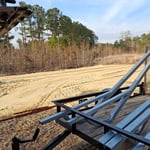
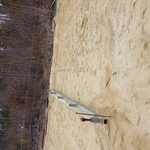
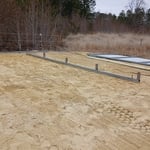
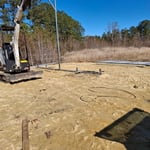
At Charleston Landwork, we specialize in providing top-notch site preparation services, including driveway grading, excavation, and all heavy equipment work needed to get your project started on the right foot. Whether you're building a new driveway, preparing land for construction, or need precise grading for drainage and leveling, we have the experience and equipment to deliver exceptional results.\n\nWith a team of skilled professionals and a fleet of state-of-the-art machinery, we ensure that your site is perfectly prepared for any project—on time and within budget. Our focus is on quality, precision, and safety, so you can trust that your land is in good hands.\n\nReady to get started? Let Charleston Landwork help you lay the foundation for success with our expert site preparation services.

...
Showing 1-10 of 177
Mulch and Topsoil FAQs, answered by experts

The best mulches for trees are wood chips, bark nuggets, or pine straw. Depending on your goals, you may want to avoid using plastic, stone, rubber, or wet grass clippings. Plastic mulch prevents water from reaching the mulched areas of your tree, stones don’t offer any nutritional benefits to the soil, rubber can release byproducts into the soil when it decomposes, and wet grass clippings can lead to rot. 

Plastic may prove beneficial in cold climates in the winter, but wood chips are the ideal option for most environments.

First, dig a hole that’s the same depth as the root ball and wide enough for the roots to spread out fully. Before placing the tree in the hole, pour water in to help get rid of any air pockets in the soil.

When filling the hole back in, opt for a 1:1 ratio of organic compost with the soil left over from the ground. Do not use potting soil, fertilizer, or chemicals of any kind, as these can stress out and kill your newly planted tree.

Colored mulch can be bad for plants in that it robs them of nitrogen as it depletes the soil to break itself down. With this in mind, it’s a good idea to test your soil to check the nitrogen levels. If the nitrogen levels are low, use fertilizer with extra nitrogen or switch to regular mulch.

Another downside of colored mulch is if it’s heavily contaminated, it can contaminate the soil and damage your plants. To avoid this, look for the MSC certification logo on the mulch bag before purchasing.

The depth of your decomposed granite depends on its intended use, but around 3 to 4 inches is the most common depth. Driveways that need to support a lot of weight should be at a depth of no less than 6 inches. Walkways that won’t see a lot of weight but lots of foot traffic should be built at a depth of 3 to 4 inches, and patios should also be between 3 and 4 inches deep.

Using sand under stepping stones can be beneficial in certain situations. Sand can help level the ground and provide stability for the stepping stones, especially if the ground is uneven. It also allows for minor adjustments during the installation process. However, sand may not be the best choice for all environments. In areas with high foot traffic or heavy rain, sand may wash away or become displaced, leading to an uneven surface. In such cases, a more stable base material like gravel or crushed stone is preferable. Consider your specific landscape conditions before deciding whether to use sand under stepping stones.

The Nesmith, SC homeowners’ guide to mulch and topsoil services

From average costs to expert advice, get all the answers you need to get your job done.