








Top-rated ceiling fan pros.

Get matched with top ceiling fan pros in Moncks Corner, SC

Enter your zip and get matched with up to 5 pros

Need a pro for your ceiling fan service project in Moncks Corner, SC?

Select your specific project to find the pro for you.

TRUSTED BY MONCKS CORNER, SC HOMEOWNERS

  • Average homeowner rating star icon3.9
    Average homeowner rating
  • Verified reviews icon21
    Verified ceiling fan services reviews

Find Ceiling fan pros in Moncks Corner

Avatar for Charleston Electric
Charleston Electric
4.7(
359
)
Ceiling Fan - InstallCeiling Fan - Repair

Serving Moncks Corner, SC and surrounding areas

Approved

In business since 2005

Free estimates

Emergency services offered

"Charleston electric was great to work with. The staff who scheduled the appointment were very professional and helpful. Paul installed the fans and ring devices and he was awesome! He is very knowledgeable and completed the work quickly. I highly recommend Charleston Electric and Paul and plan to use them in the future for all my electrical needs.."
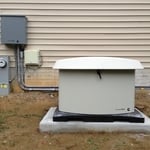
20kw Cummins Onan Generator
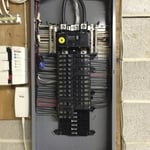
Electrical Panel Upgrade
Bathroom remodel
20 KW Cummins Onan Generator
10 neighbors recently requested a quote
Recommended by91%of homeowners
...
Showing 1-10 of 64
Ceiling Fans questions, answered by experts

The direction your ceiling fan spins helps create comfortable airflow in your home and can also help cut down on energy costs. 

During summer, your ceiling fan should spin counterclockwise. This will push cooler air downward in a column and help lower your room’s air temperature. In the winter, set your ceiling fan to spin clockwise and at the lowest speed setting. This will pull cool air upwards, displacing the warm air that pools towards the top of your ceiling and bringing it down towards the floor.

The number of blades for your fan poses both advantages and disadvantages. Typically, the more blades on a fan, the better the air distribution and cooling effect, but this also means that your fan will have more wear on its motor. For small rooms, three-blade fans should work fine. For larger areas like living rooms, four or five-blade fans might be the better option. 

Since the cost of installing a ceiling fan is $250 for most homeowners, it might be beneficial to replace your existing fan if you are experiencing a significant repair issue, like a broken motor. However, for less expensive repairs, like a fan blade replacement, you’ll likely spend less on the repair than a complete fan replacement. Of course, if you’re looking for an upgrade or a new style fan, replacing it altogether is always an option. 

If you’re replacing an old fixture with a ceiling fan, you usually won’t need a permit, but if your electrician runs new wiring for the fixture, you likely will need a permit. Building permits are necessary in most municipalities if you’re making changes to your electrical system, so even if you have partial wiring run to the area and need new wiring installed for added functionality, you’ll probably need a permit. Your electrician should be able to let you know if you need one, and they’ll typically file the paperwork for you.

Fan power is measured by CFM, or cubic feet per minute. For every 1,000 feet of square footage in your attic, you need a minimum of 700 CFM. Steeper roofs may need larger fans or about 840 CFM.  You can figure the size of attic fan you need by multiplying the square footage of your attic floor by 0.7. (multiply by 1.2 for a steep roof and 1.15 for a dark roof). That number is the CFM required for your fan to run efficiently.

The Moncks Corner, SC homeowners’ guide to ceiling fan services

From average costs to expert advice, get all the answers you need to get your job done.