




Top-rated generator install pros.

Best generator install pros near Johnsonville, SC

Enter your zip and get matched with up to 5 pros

Need a pro for your generator install project in Johnsonville, SC?

Select your specific project to find the pro for you.

Top-Rated Generator install pros in Johnsonville - Updated Nov 2026

Avatar for Mister Sparky of Florence
Mister Sparky of Florence
5.0(
17
)
Fixed Generator - InstallPortable Generator - InstallFixed Generator - Repair+4 more

Serving Johnsonville, SC and surrounding areas

Approved

Super Service Award Winner

In business since 2004

Free estimates

Emergency services offered

"Daniel, their electrician has helped us before. He arrived promptly and after discussing with us our issues went directly to work addressing our problem. He successfully completed his work to our satisfaction, discussed the repairs , and was on his way to his next appointment in a very timely manner. We are extremely satisfied with his work in particular and Mr Sparky in general in addressing our needs. Reliability and competence seem to be their hallmark."
Install - Under Cabinet Lighting
Install - Outdoor Outlets
Install - Outlet Replacements
Install - Outlet
Install - Door Bell

+5

12 neighbors recently requested a quote
Recommended by29%of homeowners

Avatar for Swift Services Heating & Cooling, LLC
Swift Services Heating & Cooling, LLC
4.0(
65
)
Fixed Generator - InstallFixed Generator - RepairPortable Generator - Install+1 more

Serving Johnsonville, SC and surrounding areas

Approved (Corporate)

In business since 1997

Free estimates

Emergency services offered

"Swift is an efficient and professional service company. They installed my new air conditioner quickly and with no problems. They were on time, and the installers were friendly and courteous. I would recommend them to everyone. I would not use anyone else for my AC service. They are the best!"
Response time10 hrs
51 neighbors recently requested a quote
Recommended by89%of homeowners
Avatar for B1 Electric, LLC
B1 Electric, LLC
4.1(
30
)
Fixed Generator - Install

Serving Johnsonville, SC and surrounding areas

In business since 2016

Free estimates

Small jobs welcome

"Perfectionists, meticulous, cordial, and punctual!!!! Everything installed was done well. One of the installers even corrected electrical mistakes caused by our builder. Intend to hire them again for additional projects and will recommend to other residents in this community."
200A Service Upgrade
200A underground Service with disconnect
Kitchen lighting Project
Outdoor lighting and outdoor 100A electric service
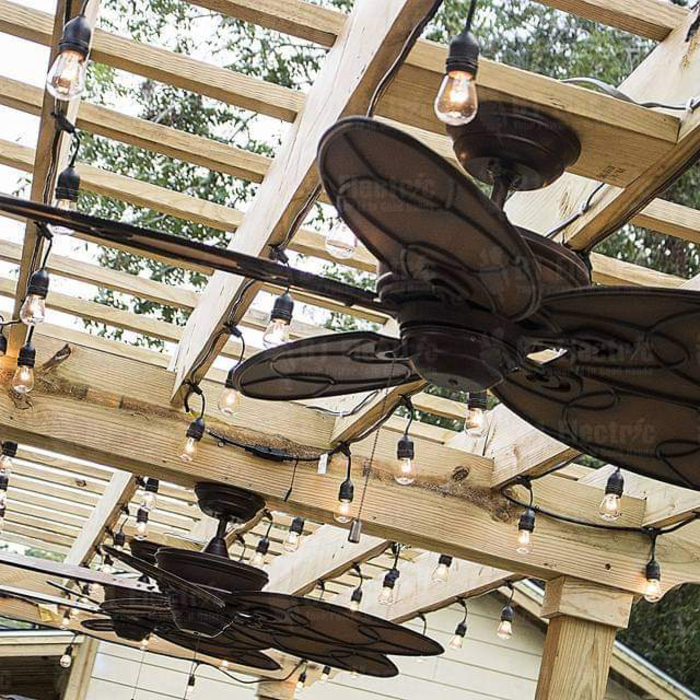
Exterior Ceiling Fan with Leaf Design

+4

Response time4 hrs
Recommended by96%of homeowners
Singleton Electric
5.0(
7
)
Fixed Generator - InstallFixed Generator - RepairGenerator - Install+4 more

Serving Johnsonville, SC and surrounding areas

In business since 2019

Free estimates

Credit card accepted

"They were good company. They were really professional. They had a competitive price. They showed up when they said they're gonna be. They were very reliable. The owner was hardworking man and really conscientious. He goes above and beyond. He really cares about his work and his customers."
Recommended by100%of homeowners
Showing 1-10 of 23
Generator Install FAQs, answered by experts

No, you should never plug a generator directly into a wall outlet in your house. This practice is extremely dangerous, often illegal, and can cause "back-feeding," where power from the generator flows back into utility lines, creating a life-threatening hazard for utility workers. It can also damage your home's electrical system, including appliances like pumps and HVAC fans. If the main power is restored while the generator is connected, it can destroy the generator and cause an electrical fire. To safely connect a generator, you must use a professionally installed transfer switch or an interlocking kit, which prevents back-feeding by disconnecting your home from the utility grid before the generator provides power.

To determine the right size generator for your house, you should calculate the total wattage of the appliances and devices you want to power during an outage. List all essential items, note their start-up wattages, and add them together.

Here are some typical wattage requirements for common appliances:

  • Refrigerator: 600 watts

  • Large dehumidifier: 700 watts

  • Large window air conditioner: 1,400 watts

  • Water heater: 3,000 to 4,500 watts

  • Electric furnace: 5,000 to 25,000 watts

A 7,500-watt generator might be sufficient for essentials like a refrigerator, freezer, well pump, and lighting circuits. However, for high-demand items like a water heater or furnace, a whole-home generator is a better choice. A portable generator may be enough if you only need to power a few critical items.

While home square footage can offer a rough estimate, it is not always a reliable indicator. For reference, here are some typical generator sizes based on square footage:

  • 1,000 sq ft: 6–9 kW

  • 1,500 sq ft: 7–10 kW

  • 2,000 sq ft: 10–14 kW

  • 2,500 sq ft: 12–16 kW

  • 3,000 sq ft: 16–20 kW+

For the most accurate sizing, consult a professional who can calculate your home's peak and average power consumption and recommend the optimal generator.

Energy output depends on turbine size, average wind speed at your site, and system efficiency. A 5 kW turbine in a good wind location can generate 8,000 to 12,000 kilowatt-hours per year, which may cover a large portion of an average home’s needs. Accurate output estimates require a professional wind assessment and a review of your household’s energy usage patterns.

In most cases, there are no tax credits available for home generators. However, that’s a general statement that applies to federal tax credits, so you might have access to state or local tax incentives. You can check the Database of State Incentives for Renewables & Efficiency (DSIRE) for more information about your area. If you hire a reliable home generator installer, they should also know if there are any state or local perks you can use to reduce your installation costs, including tax breaks and rebates.

Sizing a generator is a careful process that requires calculating the electrical load of your entire house. You have to take into account every device you want to use and their wattage requirements, plus the wattage needed to start them, and look for a generator that can safely run all that at around 80% capacity.

In more practical terms, a small home can run on a 10,000-watt generator (and if you only want to power a few key appliances, much less than that). A mid-sized home may need something between 15,000 and 22,000 watts. Larger homes require 25,000 watts or more. 

The Johnsonville, SC homeowners’ guide to generator installs

From average costs to expert advice, get all the answers you need to get your job done.