





Top-rated generator install pros.

Get matched with top generator install pros in Scranton, SC

Enter your zip and get matched with up to 5 pros

Need a pro for your generator install project in Scranton, SC?

Select your specific project to find the pro for you.

Find Generator install pros in Scranton

Avatar for Mister Sparky of Florence
Mister Sparky of Florence
5.0(
16
)

Serving Scranton, SC and surrounding areas

Approved

Super Service Award Winner

In business since 2004

Free estimates

Emergency services offered

"Daniel, their electrician has helped us before. He arrived promptly and after discussing with us our issues went directly to work addressing our problem. He successfully completed his work to our satisfaction, discussed the repairs , and was on his way to his next appointment in a very timely manner. We are extremely satisfied with his work in particular and Mr Sparky in general in addressing our needs. Reliability and competence seem to be their hallmark."
Install - Under Cabinet Lighting
Install - Outdoor Outlets
Install - Outlet Replacements
Install - Outlet
Install - Door Bell

+5

16 neighbors recently requested a quote
Recommended by31%of homeowners
Avatar for Swift Services Heating & Cooling, LLC
Swift Services Heating & Cooling, LLC
4.0(
64
)

Serving Scranton, SC and surrounding areas

Approved (Corporate)

In business since 1997

Free estimates

Emergency services offered

"Swift is an efficient and professional service company. They installed my new air conditioner quickly and with no problems. They were on time, and the installers were friendly and courteous. I would recommend them to everyone. I would not use anyone else for my AC service. They are the best!"
Response time10 hrs
74 neighbors recently requested a quote
Recommended by91%of homeowners
Avatar for B1 Electric, LLC
B1 Electric, LLC
4.1(
30
)

Serving Scranton, SC and surrounding areas

In business since 2016

Free estimates

Small jobs welcome

"Perfectionists, meticulous, cordial, and punctual!!!! Everything installed was done well. One of the installers even corrected electrical mistakes caused by our builder. Intend to hire them again for additional projects and will recommend to other residents in this community."
200A Service Upgrade
200A underground Service with disconnect
Kitchen lighting Project
Outdoor lighting and outdoor 100A electric service
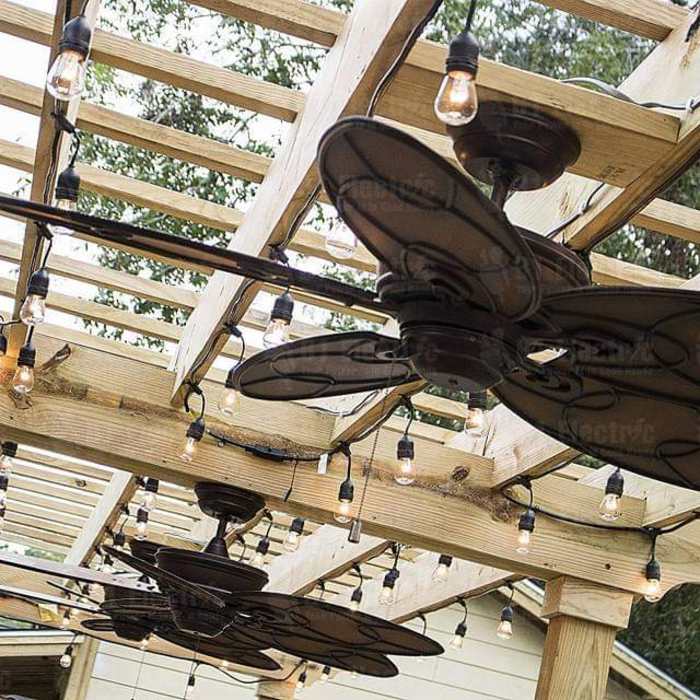
Exterior Ceiling Fan with Leaf Design

+4

Response time4 hrs
Recommended by96%of homeowners
Showing 1-10 of 16
Generator Install questions, answered by experts

Generally, you’ll want to keep between 60 and 70 feet between the generator and the transfer switch. There are a few reasons for this, including:

  • The distance reduces the noise coming from the generator into your home.

  • It increases efficiency because you won’t have a voltage drop from this short of a distance.

  • Prevents carbon monoxide poisoning: keep at least 15 feet between your generator and an open window. 

It might seem counterintuitive, but installing a generator transfer switch will save you money in the long run. While you’ll have to pay between $400 and $2,500 to have the transfer switch installed, you’ll recoup that amount later on when you don’t have to pay for expensive repairs to your appliances, devices, and electrical system that may have burned out, overloaded, or stopped working due to a sudden loss of power or an incorrect hook up of a generator to your home

A 1,500 square foot home will likely need a 15kW to 20kW generator. When deciding on whole-house generator size, add up the total wattage of the devices that you’d like to continue running during a power outage. That way, you can ensure you purchase a generator that can power your necessary appliances or medical equipment during an electrical emergency.

A home that is 2,500 square feet will likely need a 20kW to 25kW generator. Consult your local generator installer to confirm the generator size needed to power your home before purchasing a new one. Be sure to consider how much power your necessary devices need to run.

To determine the right size generator for your house, you should calculate the total wattage of the appliances and devices you want to power during an outage. List all essential items, note their start-up wattages, and add them together.

Here are some typical wattage requirements for common appliances:

  • Refrigerator: 600 watts

  • Large dehumidifier: 700 watts

  • Large window air conditioner: 1,400 watts

  • Water heater: 3,000 to 4,500 watts

  • Electric furnace: 5,000 to 25,000 watts

A 7,500-watt generator might be sufficient for essentials like a refrigerator, freezer, well pump, and lighting circuits. However, for high-demand items like a water heater or furnace, a whole-home generator is a better choice. A portable generator may be enough if you only need to power a few critical items.

While home square footage can offer a rough estimate, it is not always a reliable indicator. For reference, here are some typical generator sizes based on square footage:

  • 1,000 sq ft: 6–9 kW

  • 1,500 sq ft: 7–10 kW

  • 2,000 sq ft: 10–14 kW

  • 2,500 sq ft: 12–16 kW

  • 3,000 sq ft: 16–20 kW+

For the most accurate sizing, consult a professional who can calculate your home's peak and average power consumption and recommend the optimal generator.

The Scranton, SC homeowners’ guide to generator installs

From average costs to expert advice, get all the answers you need to get your job done.