Top-rated leaf removal pros.

Best leaf removal pros near Johns Island, SC

Enter your zip and get matched with up to 5 pros

Need a pro for your leaf removal project in Johns Island, SC?

Select your specific project to find the pro for you.

TRUSTED BY JOHNS ISLAND, SC HOMEOWNERS

  • Average homeowner rating star icon4.3
    Average homeowner rating
  • Verified reviews icon209
    Verified leaf removal services reviews

Top-Rated Leaf removal pros in Johns Island - Updated Nov 2026

Avatar for Carolina Land and Debris LLC
Carolina Land and Debris LLC
5.0(
14
)
Waste, Junk, Building Materials and Debris - Remove and Haul

Serving Johns Island, SC and surrounding areas

Approved

Free estimates

Small jobs welcome

Offers commercial services

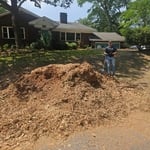
"I highly recommend Carolina Land and Debris! They did an outstanding job removing leaves from my property. They took a considerable amount of time, never cut corners and honored the estimate they originally gave me. They had to work around bad weather and were professional and thorough from start to finish. When they were done, my yard looked better than it has in years."
Debris Removal
Debris Removal
Dirt & Debris Removal
Landscape Carpentry

+2

18 neighbors recently requested a quote
Avatar for M&A Landscaping
M&A Landscaping
5.0(
8
)
Lawn Care - Maintain and Mow a Lawn

Serving Johns Island, SC and surrounding areas

Approved

In business since 2023

Free estimates

Emergency services offered

"It is really hard to get a small job done. M&A was wonderful. I only needed 2 yards of soil. The workers they sent were very efficient and very easy to work with. I am very happy with the job."
New Installation
New installation
New installtion
New Installation
New Installation

+66

Response time1 day
1 neighbors recently requested a quote
Recommended by85%of homeowners
Avatar for Level Up Landscape & Design
Level Up Landscape & Design
5.0(
4
)
Lawn & Yard Waste Clean UpLawn Care - Maintain and Mow a Lawn

Serving Johns Island, SC and surrounding areas

Approved

Emergency services offered

Warranties offered

Small jobs welcome

"I hired Steven to reconfigure my existing irrigation system. We quickly realized that I needed more than that. I had non working & poorly placed sprinkler heads. Steven made sure that my system was not only effective but it was better than when it was originally installed. This job was in the middle of summer with temperatures exceeding 100 degrees. He worked all day in this heat & he took very few breaks. He is a professional, extremely talented & a hard worker. I have more landscape projects to do in the future & without hesitation I will have Steven do these."
Dr. G'S  New SOD
Dr. G'S  New SOD
Dr. G'S  New SOD
Dr. G'S  New SOD
Dr. G'S  New SOD

+16

1 neighbors recently requested a quote
...
Showing 1-10 of 498
Leaf Removal FAQs, answered by experts

Household products such as paints, cleaners, oils, and batteries are considered hazardous and should not be disposed of with regular household waste. Instead, look for local household hazardous waste collection facilities where you can safely dispose of these items without harming the environment or human health.

Chlorine has a shelf life of between six months and several years, depending on its type and formulation. Liquid chlorine can often lose its effectiveness in just a few weeks. Pool owners can find themselves with overstock that they need to get rid of. The best way to dispose of excess chlorine is to take it to a hazardous waste collection site and let the pros handle it.  

According to the Environmental Protection Agency (EPA), hazardous waste is generally classified into four main categories:

1. Characteristic Wastes: These exhibit at least one of four hazardous traits: ignitability (flammable, like gasoline), corrosivity (can rust or decompose materials, like car batteries), reactivity (unstable and can explode, like aerosol cans), or toxicity (harmful when ingested, like lead-based paint).

2. Listed Wastes: These are specific wastes from manufacturing and industrial processes that the EPA has officially designated as hazardous. They include byproducts from processes that use solvents, pesticides, and other chemicals.

3. Universal Wastes: These are commonly generated hazardous items that are subject to streamlined regulations. Examples include batteries, pesticides, mercury-containing equipment (e.g., bulbs), and some lamps.

4. Mixed Wastes: This category includes waste that contains both hazardous and radioactive components, making it subject to regulation by both the EPA and the Nuclear Regulatory Commission.
Exterior paint contains a higher level of VOCs, which can be dangerous if you’re exposed to it for a long period of time. The good news is that paint’s toxicity reduces significantly once fully dried and cured. Do not keep open exterior paint cans in your home, basement, or garage, exposing your household to harmful chemicals over time.
Lead toxicity comes from inhaling lead or consuming it. Before the 1980s, when the government banned lead from consumer use, it could be found in paint, plumbing, pipes, ceramics, and even gasoline. Lead paint is toxic for the same reason lead itself is toxic, which is why lead poisoning from paint presents the same as lead poisoning from water or food sources, with a slight increase in respiratory symptoms vs. digestive symptoms. Lead paint is most dangerous when it’s old and peeling, cracking, or otherwise disturbed. This increases the concentration in the air and, therefore, in breathable air. 

The Johns Island, SC homeowners’ guide to leaf removal services

From average costs to expert advice, get all the answers you need to get your job done.