
Top-rated radon detection and reduction specialists.

Best radon detection and reduction specialists near Fripp Island, SC

Enter your zip and get matched with up to 5 pros

Need a pro for your radon detection and reduction project in Fripp Island, SC?

Select your specific project to find the pro for you.

Top-Rated Radon detection and reduction specialists in Fripp Island - Updated Nov 2026

Avatar for SWAT Environmental, Inc.
SWAT Environmental, Inc.
4.8(
10
)
Radon Gas - Abatement

Serving Fripp Island, SC and surrounding areas

In business since 2002

Free estimates

Credit card accepted

"Had them come out to install a Radon Mitigation Fan. Service was fast and the installer was extremely knowledgable. He was in an out within an hour and the radon dropped from a 4 to a 0.59! Extremely happy with the result. Price wasn't cheap by any means but definitely fixed our problem."
Recommended by100%of homeowners
Avatar for Coastal Empire Roofing & Construction Co
Coastal Empire Roofing & Construction Co
3.1(
16
)
Radon Gas - AbatementRadon Gas - Testing

Serving Fripp Island, SC and surrounding areas

In business since 1998

Free estimates

Emergency services offered

"Once they started working on it, the work was great. What they did was good, but they forgot to put caulking on one of our skylights. They came back quickly to fix it. We put half the money down and then we didn’t hear anything for 4 months. I guess they were switching company owners, but since then it has been good."
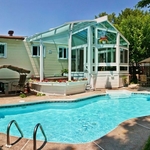
Pantarah Sunroom Series
Recommended by80%of homeowners
Radon Detection and Reduction FAQs, answered by experts

The average radon mitigation system uses about 876 kWh of electricity per year, although the exact amount of electricity used will vary depending on the size of the radon fan. Once the system is installed, the annual increase to your energy bill could range from $30 to $300 per year, again depending on the size of the fan.

If high radon levels are detected, steps include sealing entry points, installing a mitigation system, and retesting the air regularly to ensure reduced levels.

No level of radon is technically safe, but since it is naturally present everywhere, it is impossible to avoid entirely. The average radon level in homes across the United States is 1.3 picocuries per liter (pCi/L). The Environmental Protection Agency (EPA) recommends taking action to reduce radon levels if your home's test results are between 2 and 4 pCi/L or higher.

While DIY testing is possible, abatement generally requires professional installation to ensure efficacy and meet safety standards.

Your radon fan needs to operate 24/7 to be effective. The only time the fan isn't operating is during its replacement. Radon levels in the home can increase within hours if the fan stops working or something obstructs the stack vent. Fortunately, radon systems require no downtime maintenance between fan changes.

The Fripp Island, SC homeowners’ guide to radon detection and reduction services

From average costs to expert advice, get all the answers you need to get your job done.