


Top-rated radon detection and reduction specialists.

Get matched with top radon detection and reduction specialists in Early Branch, SC

Enter your zip and get matched with up to 5 pros

Need a pro for your radon detection and reduction project in Early Branch, SC?

Select your specific project to find the pro for you.

Find Radon detection and reduction specialists in Early Branch

Avatar for SWAT Environmental, Inc.
SWAT Environmental, Inc.
4.8(
10
)
Radon Gas - Abatement

Serving Early Branch, SC and surrounding areas

In business since 2002

Free estimates

Credit card accepted

"Had them come out to install a Radon Mitigation Fan. Service was fast and the installer was extremely knowledgable. He was in an out within an hour and the radon dropped from a 4 to a 0.59! Extremely happy with the result. Price wasn't cheap by any means but definitely fixed our problem."
Recommended by100%of homeowners
Avatar for Coastal Empire Roofing & Construction Co
Coastal Empire Roofing & Construction Co
3.1(
16
)
Radon Gas - AbatementRadon Gas - Testing

Serving Early Branch, SC and surrounding areas

In business since 1998

Free estimates

Emergency services offered

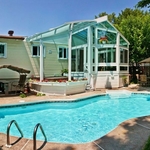
"They did a wonderful job on my sunroom. A previous contractor did a VERY poor job - the sunroom was a disaster. But Coastal Empire made it BEAUTIFUL!! I was very happy with the results. The workers were very nice, and always cleaned up after their work."
Pantarah Sunroom Series
Recommended by80%of homeowners
Radon Detection and Reduction questions, answered by experts

Many radon fans carry a five-year manufacturer's warranty. That said, your radon fan should last between five and ten years. Regular inspections will ensure the fan is operating properly. Unusual or exceptional noise coming from the fan or indications on your manometer or system monitor can immediately tell you that something is amiss.

No level of radon is technically safe, but since it is present everywhere, complete avoidance is impossible. The average radon level in homes across the United States is 1.3 picocuries per liter (pCi/L). The Environmental Protection Agency (EPA) recommends taking preventative measures if your home's radon levels are between 2 and 4 pCi/L or higher.

Long-term exposure increases lung cancer risks. Prolonged homestay individuals and smokers encounter heightened vulnerability and exposure concerns.

Radon enters your home when warm air begins to rise and exits through the roof, creating a vacuum that pulls cooler air from under the foundation. Part of that air is radon, which is an invisible, odorless gas that develops naturally when radioactive particles are deep within the ground. Those particles usually come from decaying matter in soil and rocks.

Keeping radon from getting into your home is much better than having to get rid of it once it's already indoors. While there may not be a way to fully prevent radon from getting into your home, there are things you can do to reduce the gas's ability to enter. 

Sealing foundation cracks and openings can help keep the gas from seeping inside. Improving air flow, such as by opening windows, can also be helpful. If you're building your home from scratch, talk to your contractor about using radon-resistant construction to keep the gas out.

The Early Branch, SC homeowners’ guide to radon detection and reduction services

From average costs to expert advice, get all the answers you need to get your job done.